Japan guide: where to eat, what to see
Between May 2023 and April 2026 I spent more than 500 days in Japan for The Hungry Tourist. This guide is what those days left behind: what to know before you go, and more than 460 addresses across Tokyo, Kyoto and Osaka.
Before you go
Visas and departure tax
Many nationalities can enter Japan visa-free for short stays; check the rules for your passport before you book. Fill in the immigration and customs forms on Visit Japan Web in advance.
Since 1 July 2026 the departure tax is 3,000 yen per person; it is usually included in your ticket.
Affiliate link
Internet
You will need maps, translation and train times more than anything. My advice: an eSIM. Install it before you land and you are online the moment you arrive.
Transit card
Suica or PASMO works on the metro, trains, buses, in konbini and vending machines. The easiest option is a physical card. The tourist-only Welcome Suica at Narita and Haneda needs no deposit and is valid for 28 days; any balance left is not refunded. Regular Suica cards are on sale again at major stations. Top up with cash.
Suica on your phone
On iPhone you can add Suica to Apple Wallet and top it up with Apple Pay; some Visa cards are declined, Mastercard and JCB work. Most Android phones bought outside Japan can’t use it, so get a physical card.
Cash and tipping
Cards work in most places, but small ramen shops, yokocho bars and markets still want cash. 7-Eleven ATMs accept foreign cards.
There is no tipping. Where you pay depends on the place: in most restaurants you settle at the till on your way out, not at the table; in most ramen shops you pay first, at the ticket machine by the door. When in doubt, follow what everyone else is doing.
Reservations and queues
Top sushi, tempura and yakitori counters fill up weeks, sometimes months, ahead: try Omakase, TableCheck and Tabelog, and if you can’t get a seat, ask your hotel concierge. Queues are normal for ramen and tsukemen; be there before opening.
Luggage
Send your suitcase from hotel to hotel (takkyubin, with Yamato or Sagawa). Tokyo to Kyoto usually arrives the next day, and you board the train empty-handed. On the shinkansen, bags whose three sides add up to more than 160 cm need a reserved luggage space.
Tax-free shopping
The system changed on 1 November 2026: you now pay the tax-inclusive price in the shop. For purchases over 5,000 yen (before tax) in one shop on one day, you scan your passport at a terminal at the airport before check-in when you leave, and the tax is refunded. Keep the goods and receipts with you; you have 90 days from purchase.
Etiquette
Don’t eat while walking; finish what you bought at the konbini right there. Bins are rare, so carry your rubbish with you. No phone calls on trains.
Pro traveller tip: When you need a bin, head into a 7-Eleven, Lawson or FamilyMart; nearly all of them have one.
Listen before you go
Nilay and I gave Japan two episodes of our podcast Yemekte Bile Yemek Konuşuyoruz (in Turkish).
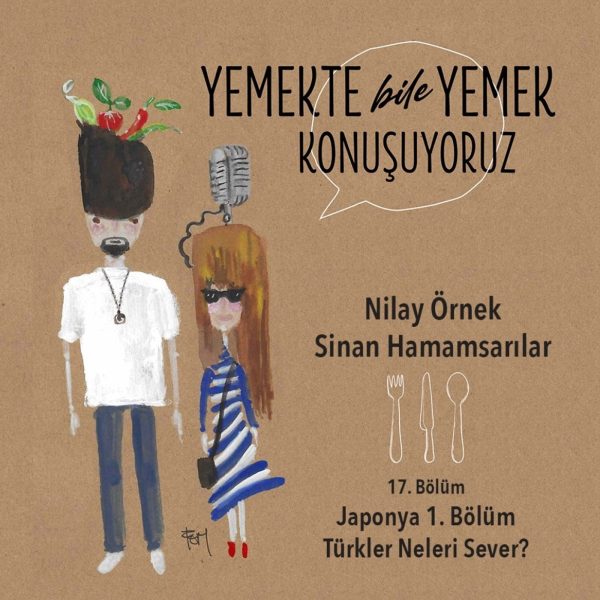 Episode 17 · Japan, part 1What Turks Love ThereRecorded in Tokyo. From sushi to Japan’s relationship with bread, the place of rice at the table, izakaya culture, tempura and curry.Listen (in Turkish) →
 Episode 19 · Japan, part 2The Food CultureWhy are more Turks traveling to Japan? Sushi legends from Jiro to Harutaka, the Japanese you need on a menu, jazz bars and junk food.Listen (in Turkish) →
Cities
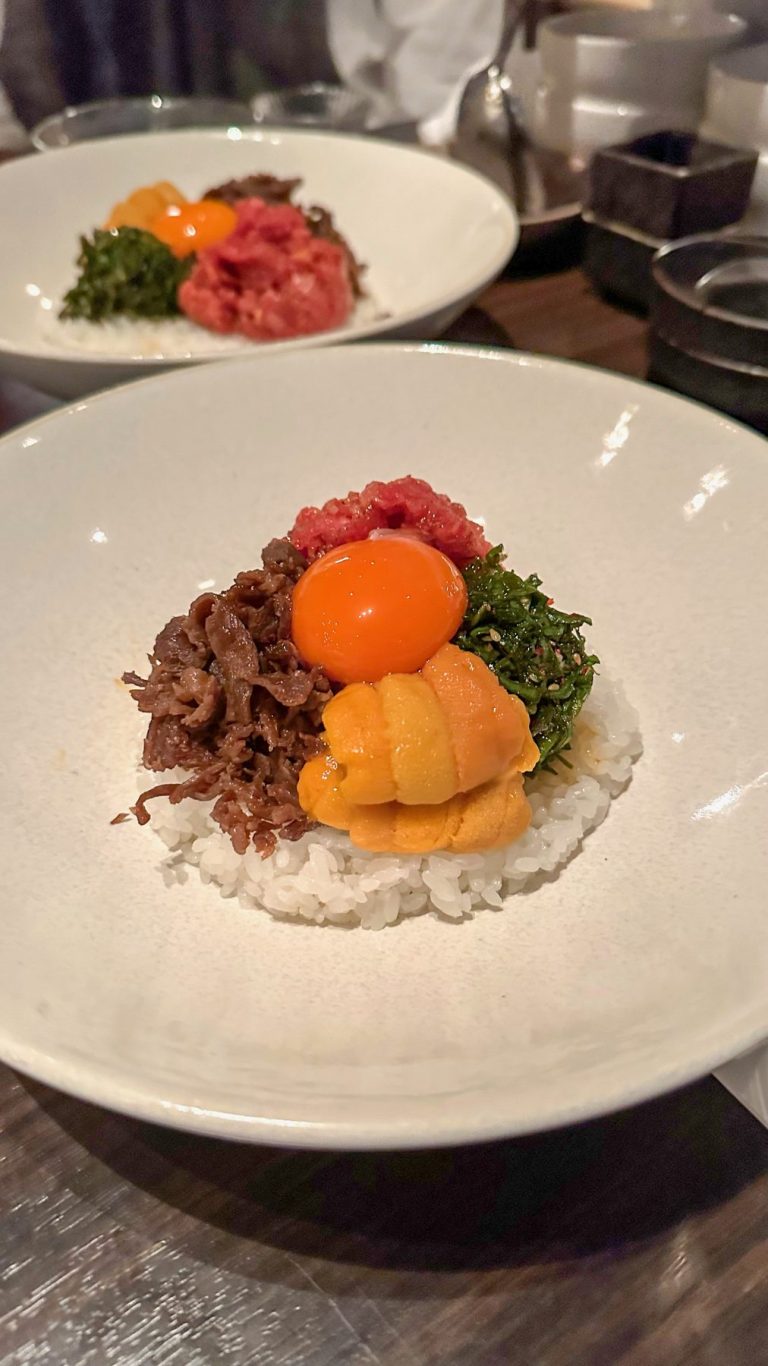 東京TokyoExhausting on day one, endless on the tenth visit.245 addresses · 24 categories · by neighbourhood
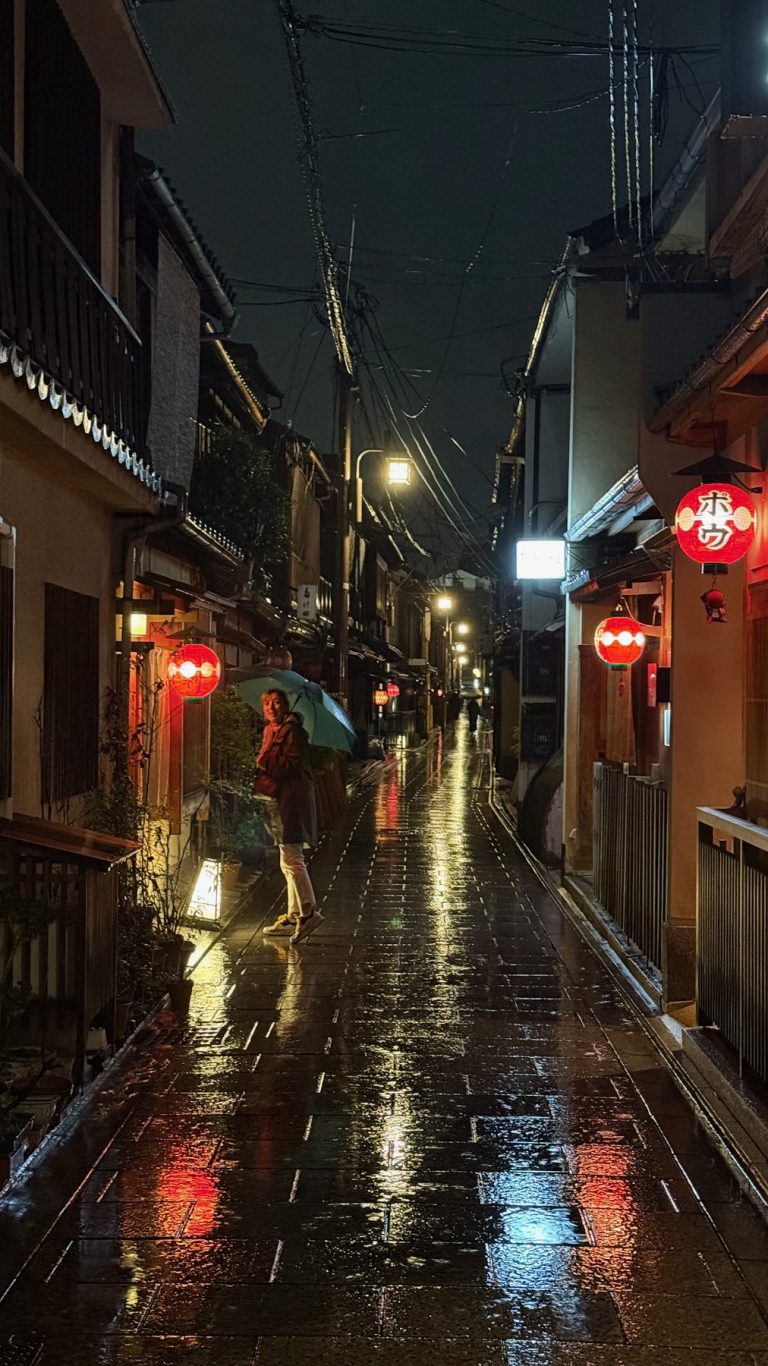 京都KyotoA slow city that likes early mornings and early nights.143 addresses · 19 categories · temples included
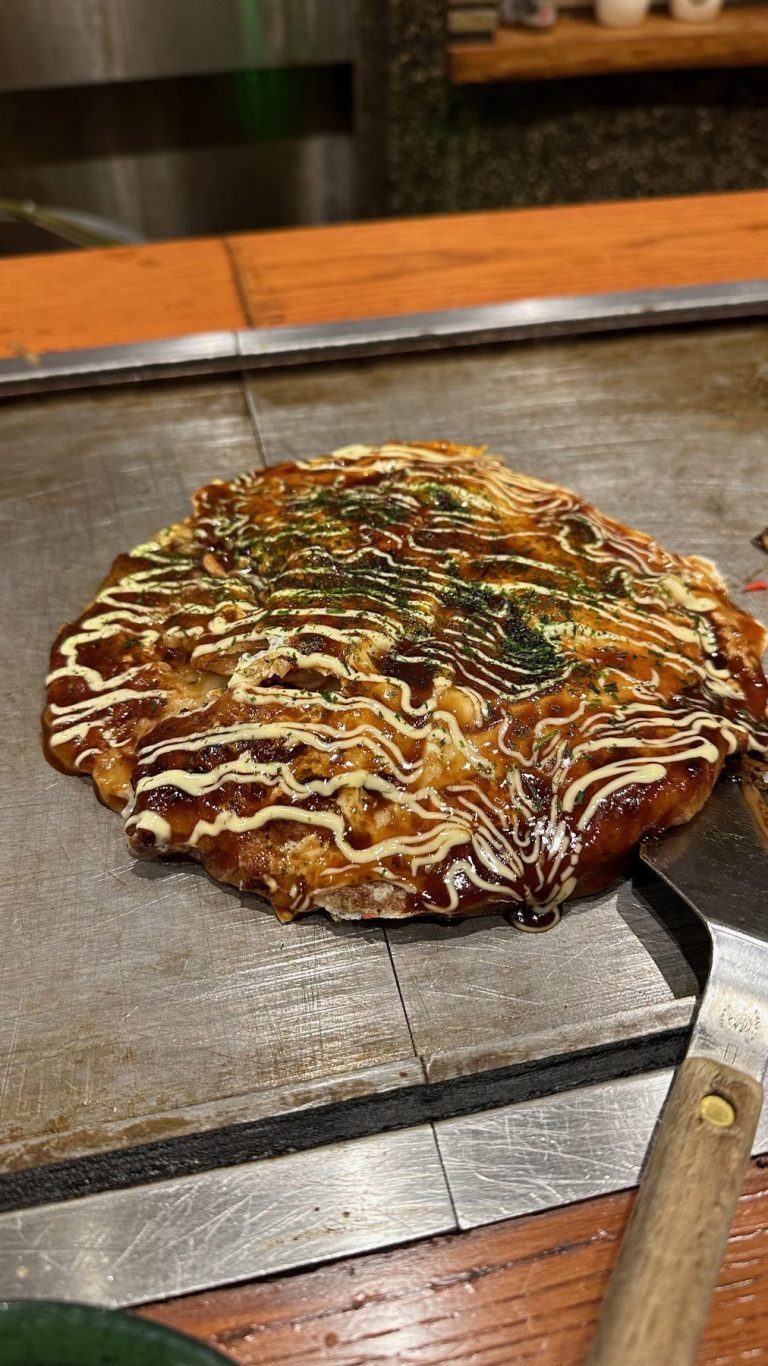 大阪OsakaThe city of kuidaore: eating yourself into ruin.48 addresses · 14 categories · Sakai knife makers included
Posts about Japan
Read alongside the guide: how eating works in Japan, Tokyo by morning and by night, and the story of the lists.
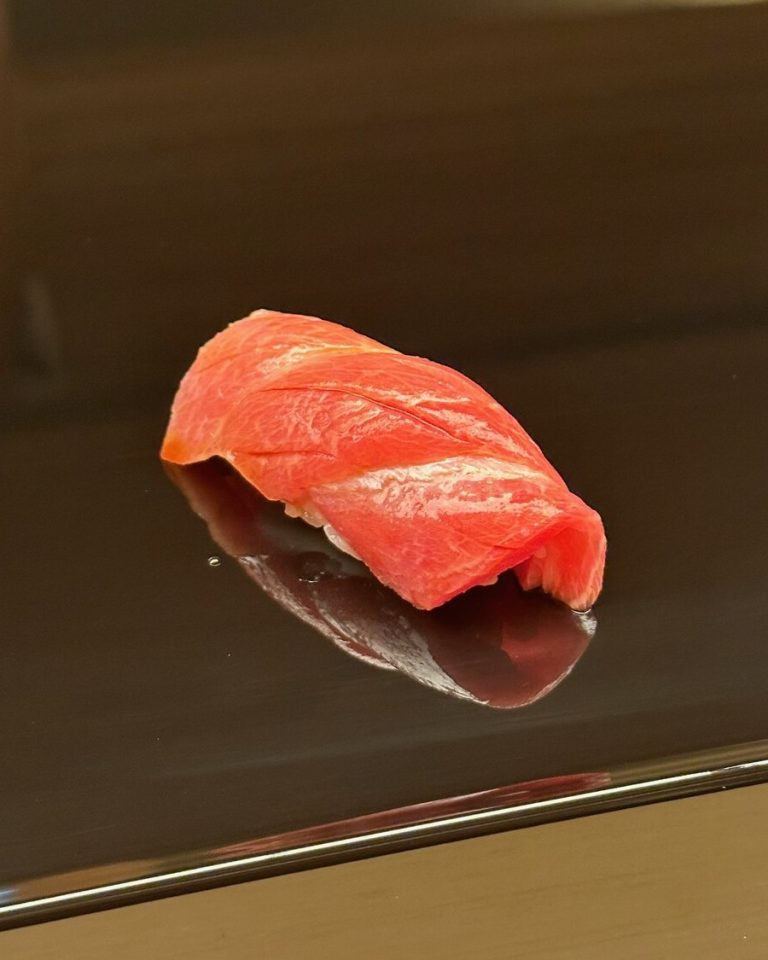 鮨What is omakase?A first-timer’s guide to the sushi counter in Japan: booking, etiquette, omakase vs kaiseki.Food culture
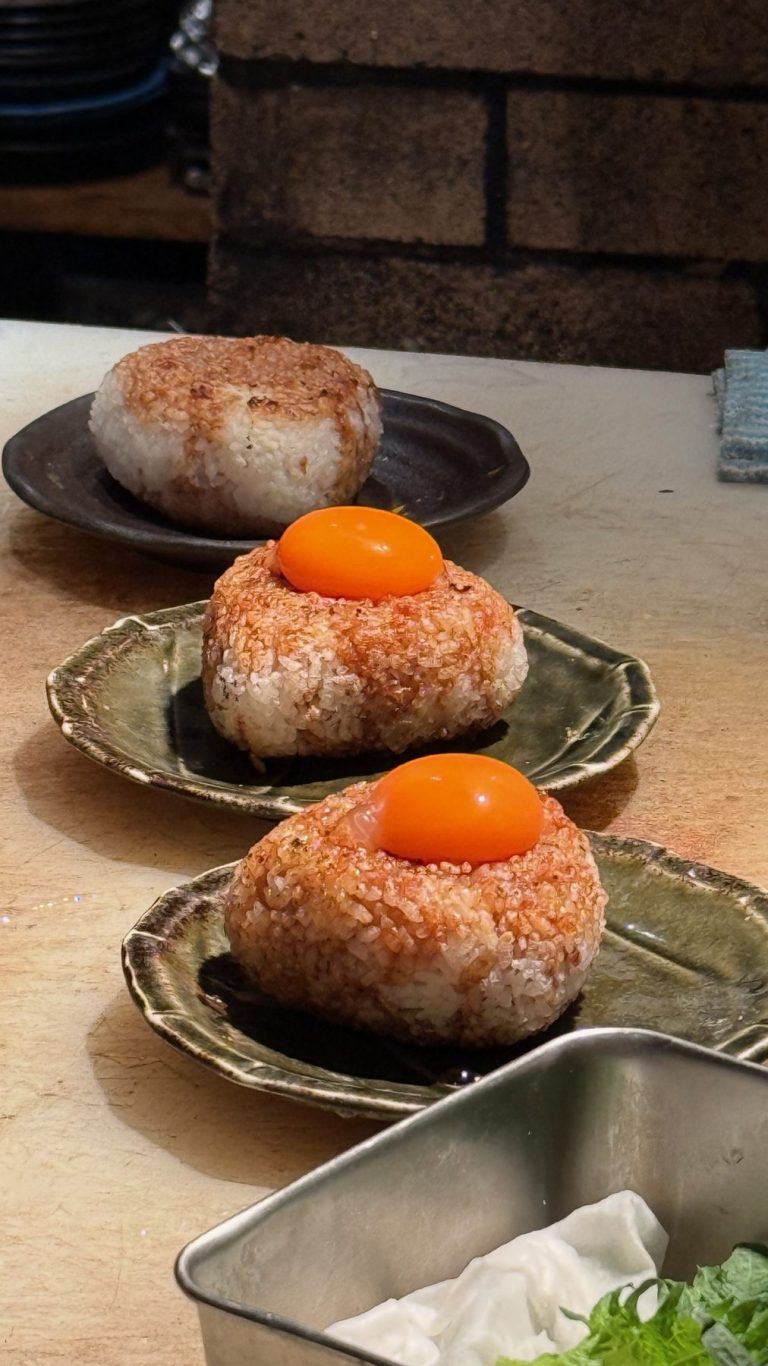 酒What is an izakaya?Why otoshi shows up on your bill, how to order and how to pay.Food culture
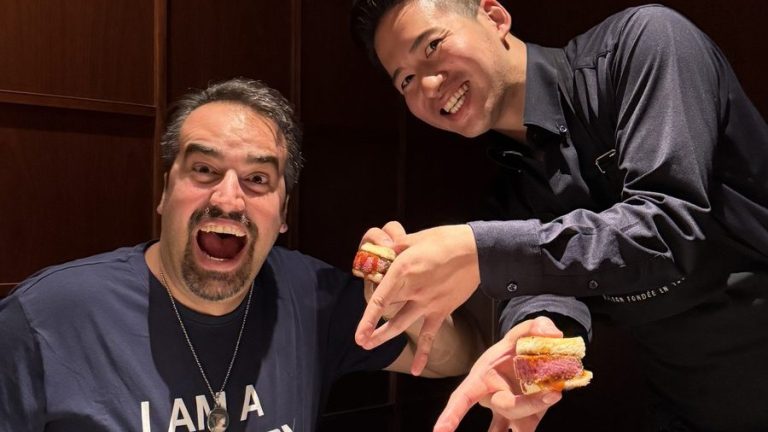 一人Eating alone in TokyoCounters, ticket machines, standing sushi and evenings for one.Tokyo
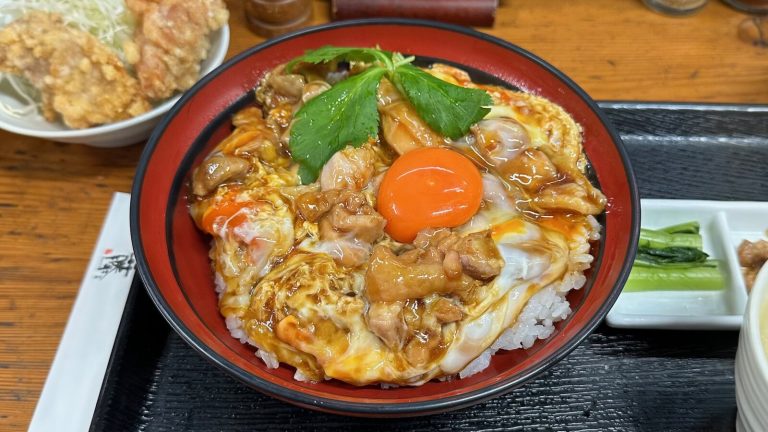 築地What to eat at TsukijiWhen the outer market is open, what to eat and what to take home.Tokyo
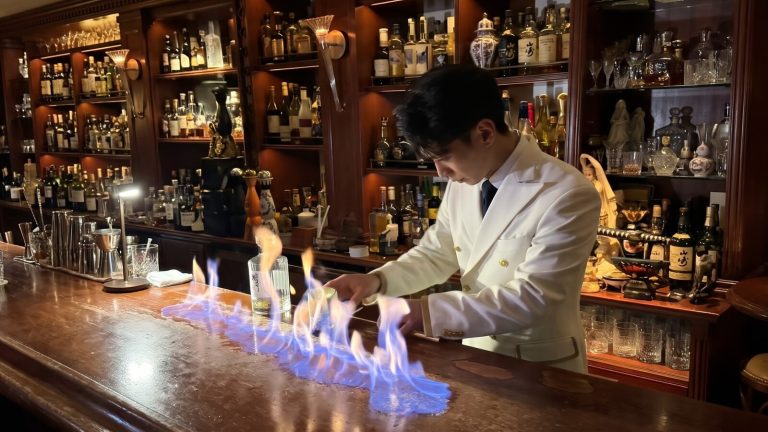 バーWhere to drink in TokyoEvery bar on my list: cocktails, listening bars, sake, Golden Gai and clubs.Tokyo
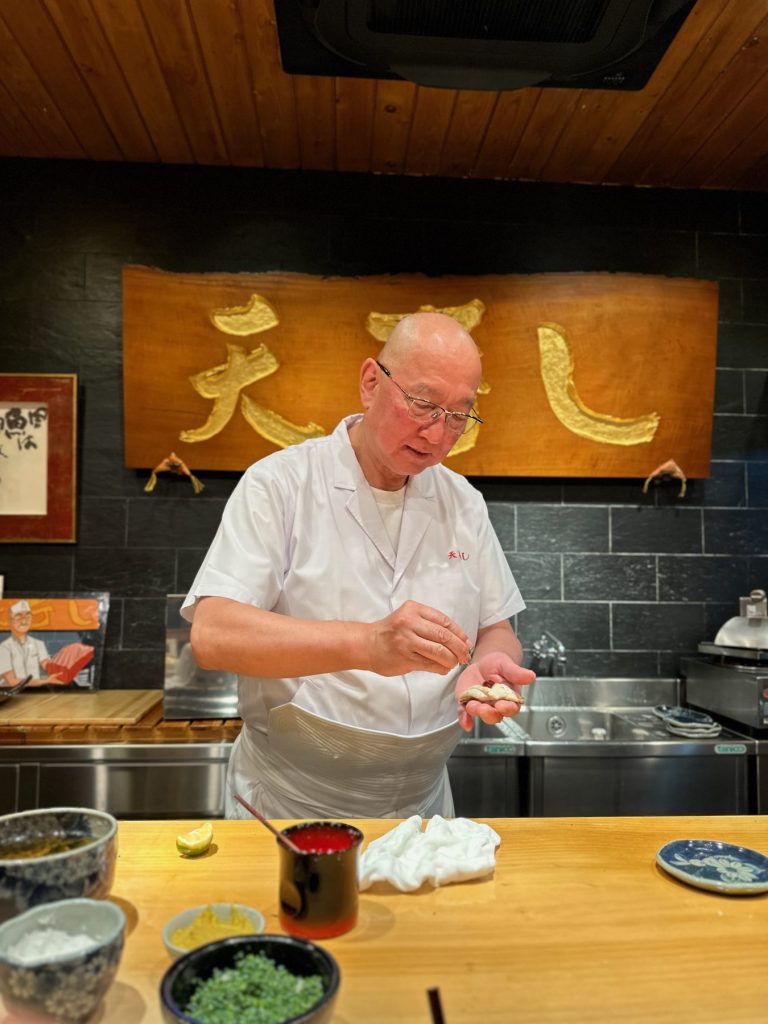 地図My Japan lists are now publicHow the Tokyo, Kyoto and Osaka Google Maps lists used by more than 20,000 people came about, and how to use them.Blog · 30 October 2026
Advertising and partnerships: The eSIM link on this page is an affiliate link with ConnectedYou; I earn a commission on purchases made through it. The lists and podcast episodes are not part of this partnership. I received no payment or anything else from any of the places on the lists.