Ekin Şen and I had a HeyHotel AI project to discuss on behalf of Anaterranean, and for weeks we couldn’t find a day to sit down and talk it through. Ekin owns and runs Casa Lavanda; HeyHotel AI is a startup he co-founded that handles guest communication for hotels and restaurants with voice and text AI. We skipped the meeting room and went to the forest instead. On the morning of October 31, we were in Ulupelit, a village in Şile on Istanbul’s Black Sea side.
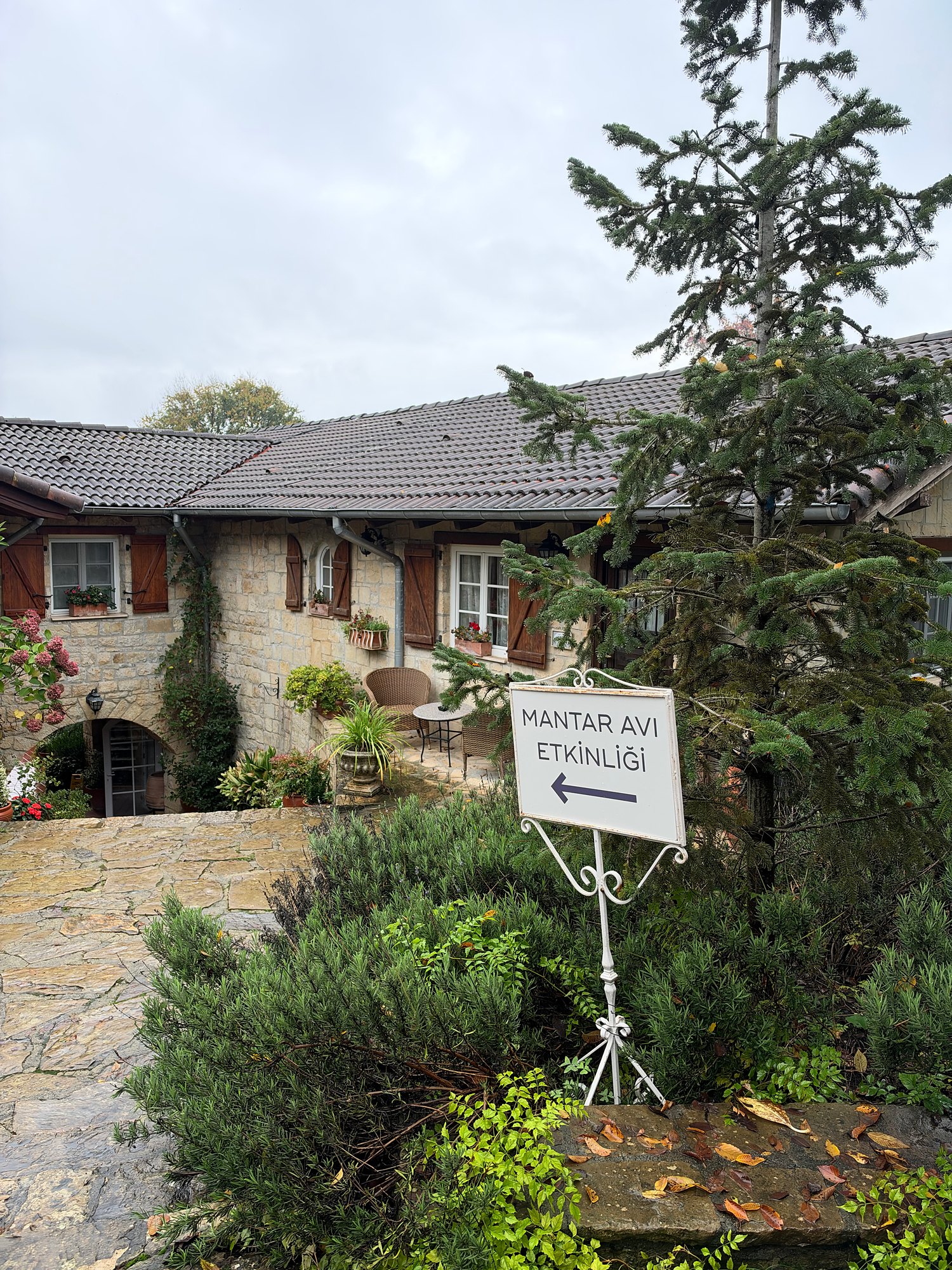
Breakfast first, then the lesson
The day started with a breakfast Chef Emre Şen put together just for the event. Then came a short lesson in the garden from Jilber Barutçiyan: where to look, how to pick, how to carry what you find. Jilber is a mycologist trained in Switzerland and one of the best-known names in mushrooms in Türkiye. This wasn’t my first time in the woods with him, and the first rule hasn’t changed: no plastic bags, only baskets.
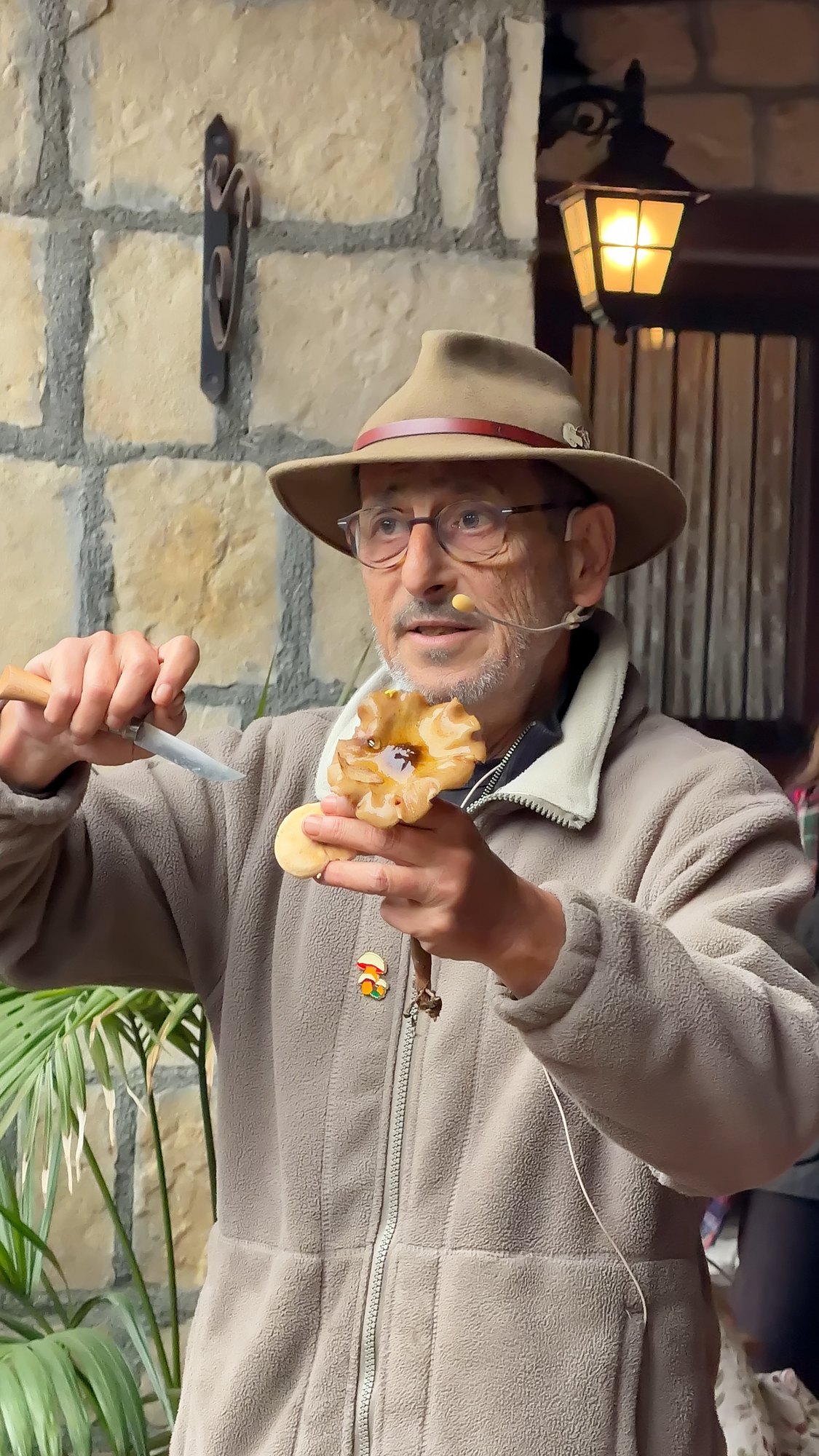
In the forest
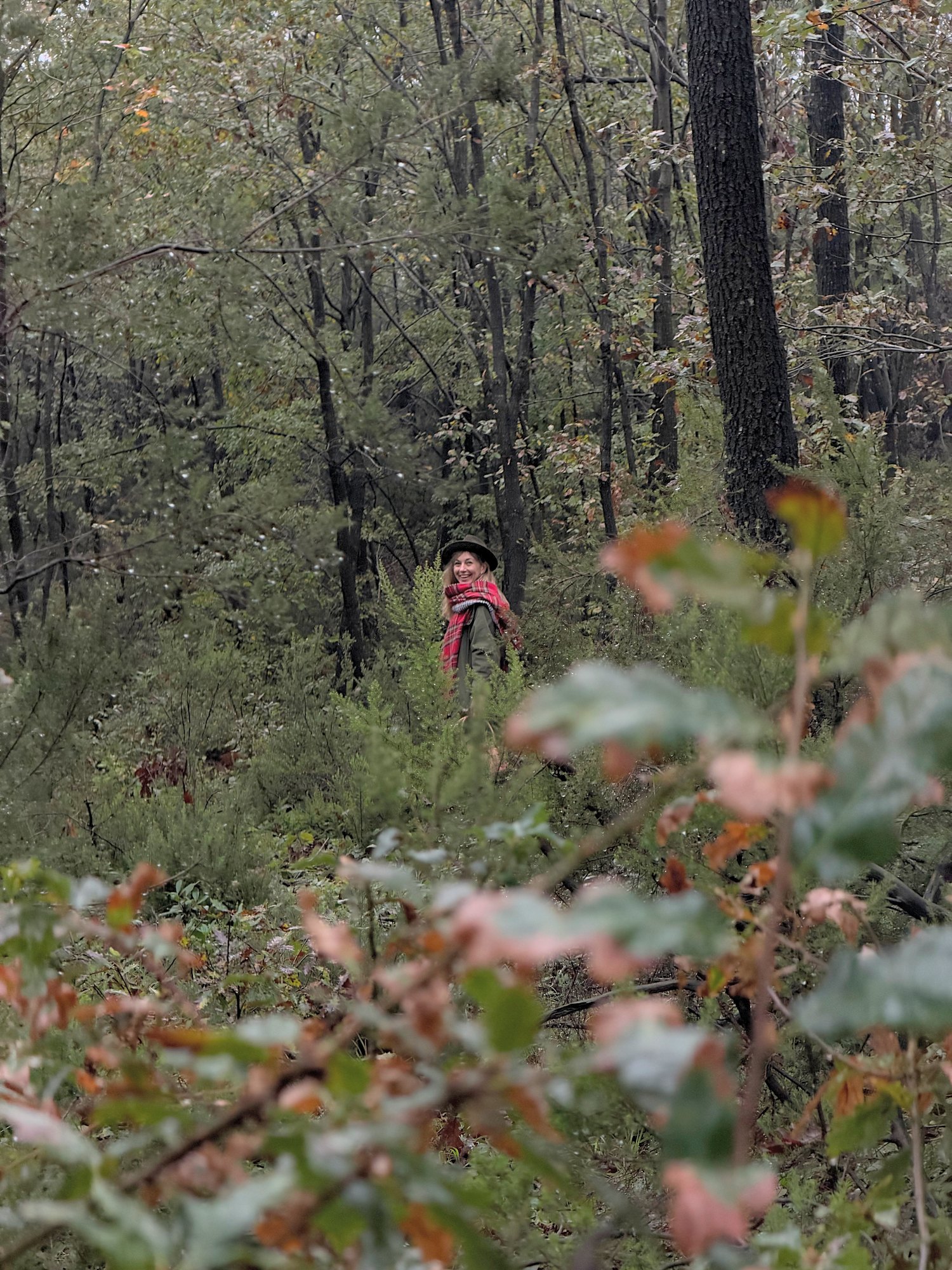
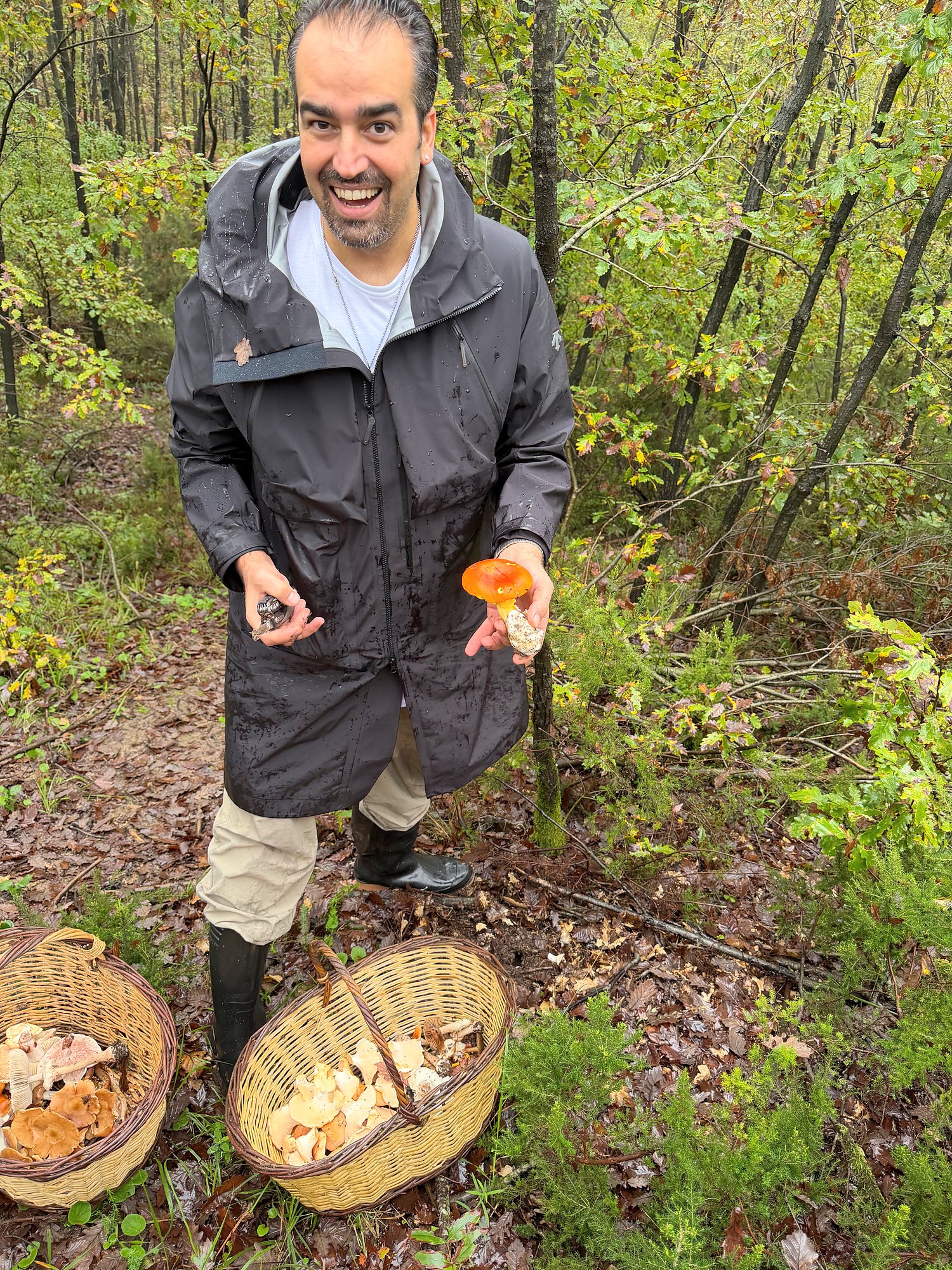
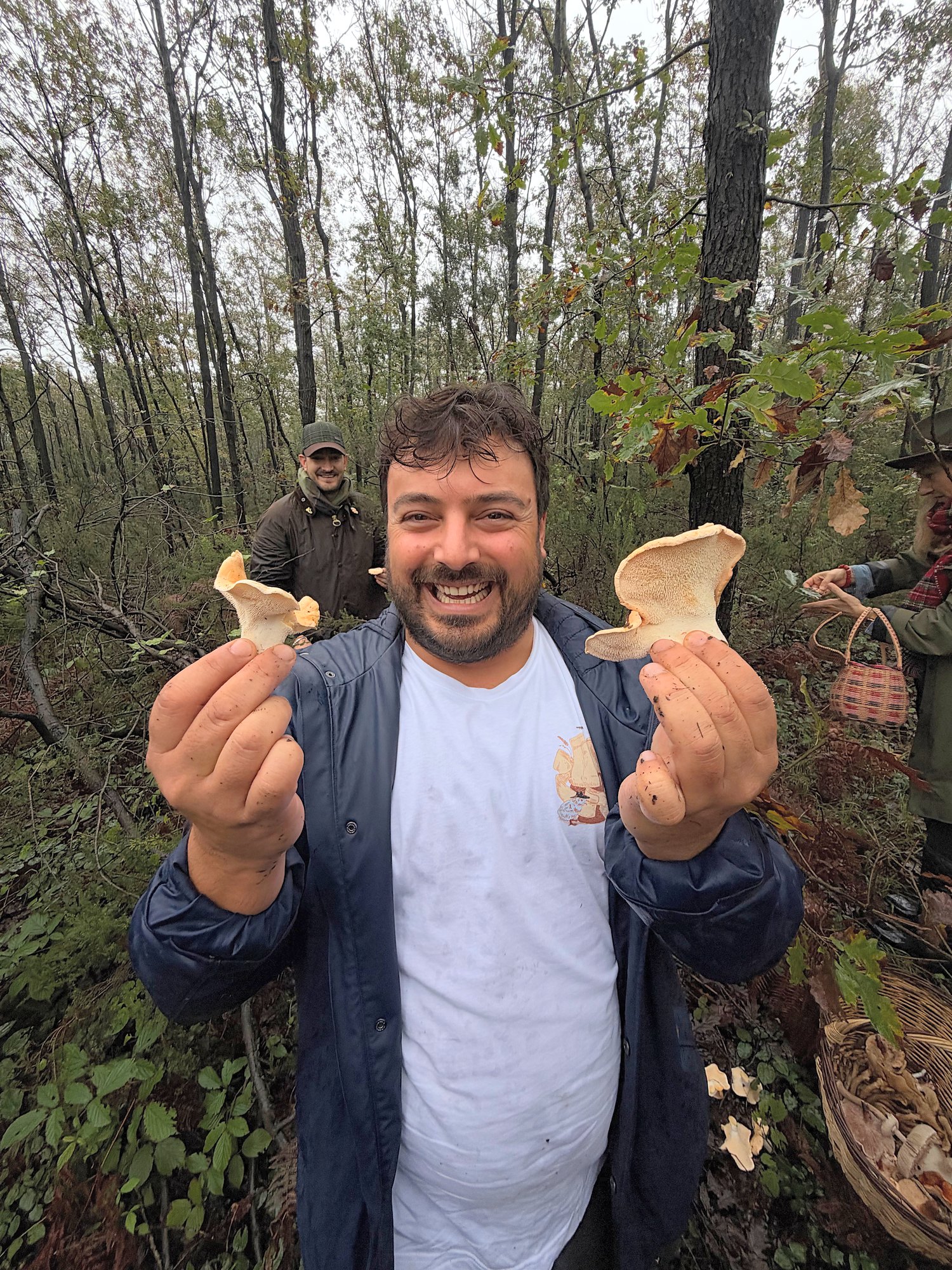
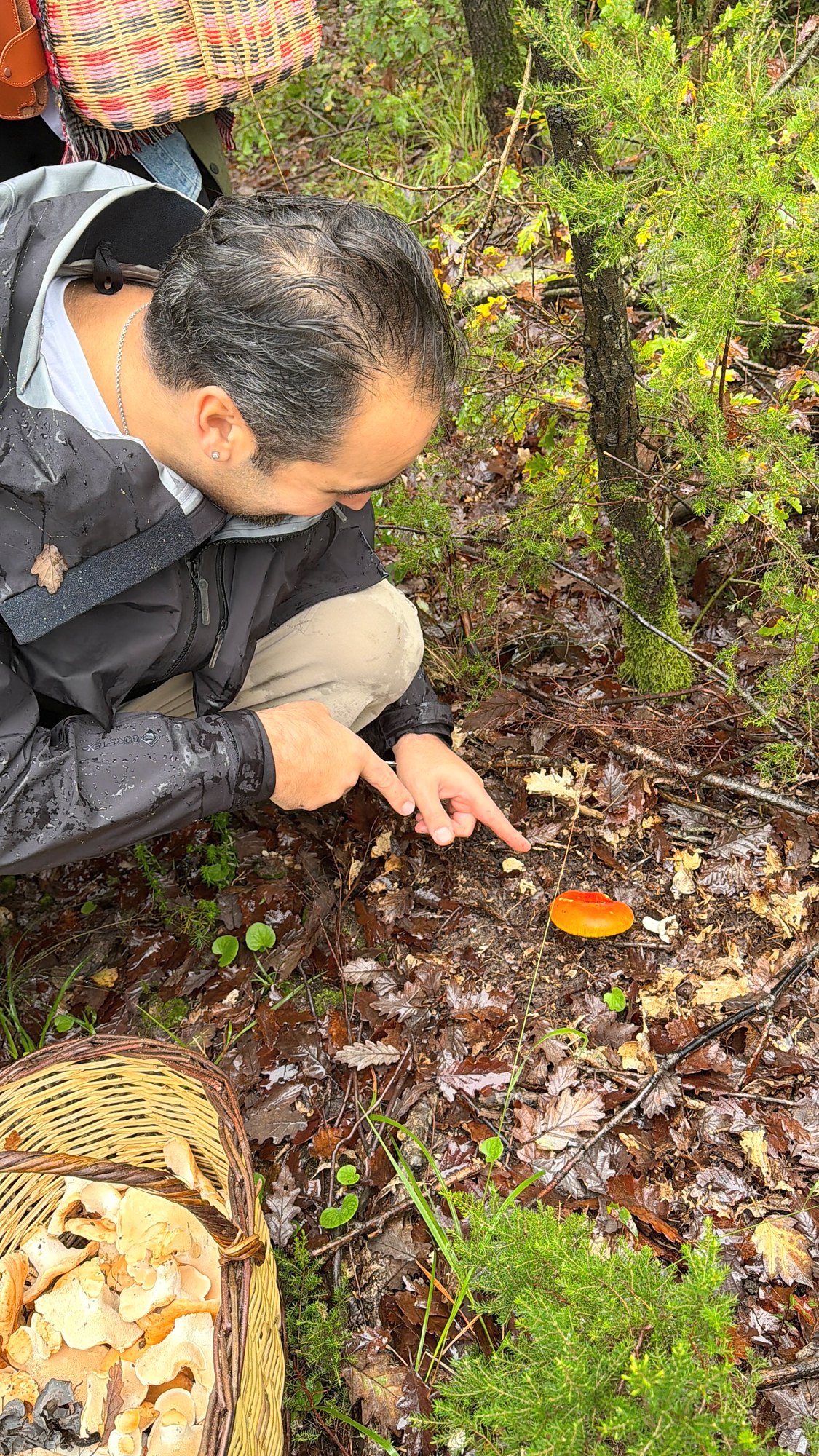
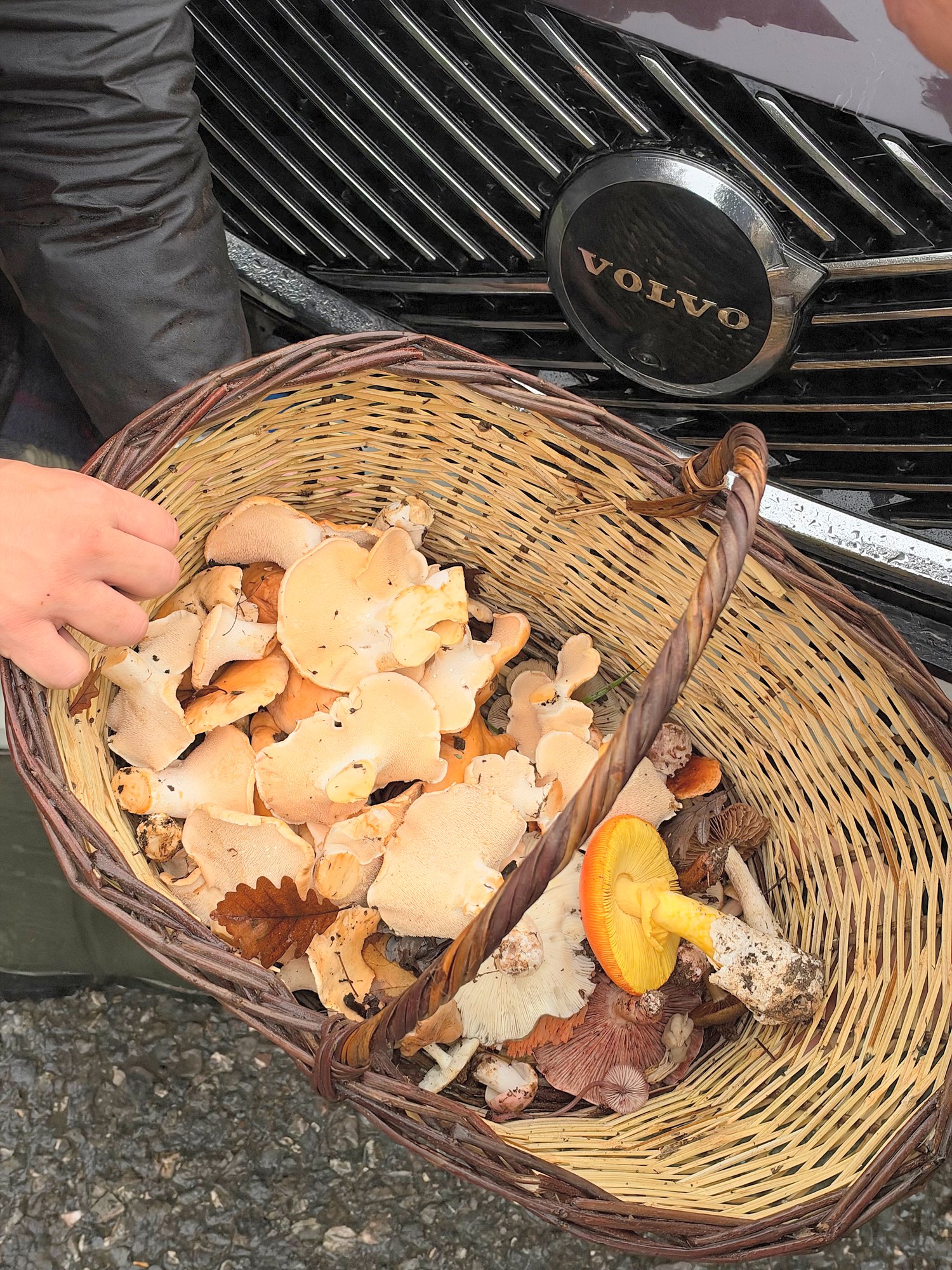
We drove from the hotel to the woods in Volvos and spent the late morning walking, crouching and searching the forest around Ulupelit.
Photos: Sinan Hamamsarılar
Photos: Sinan Hamamsarılar
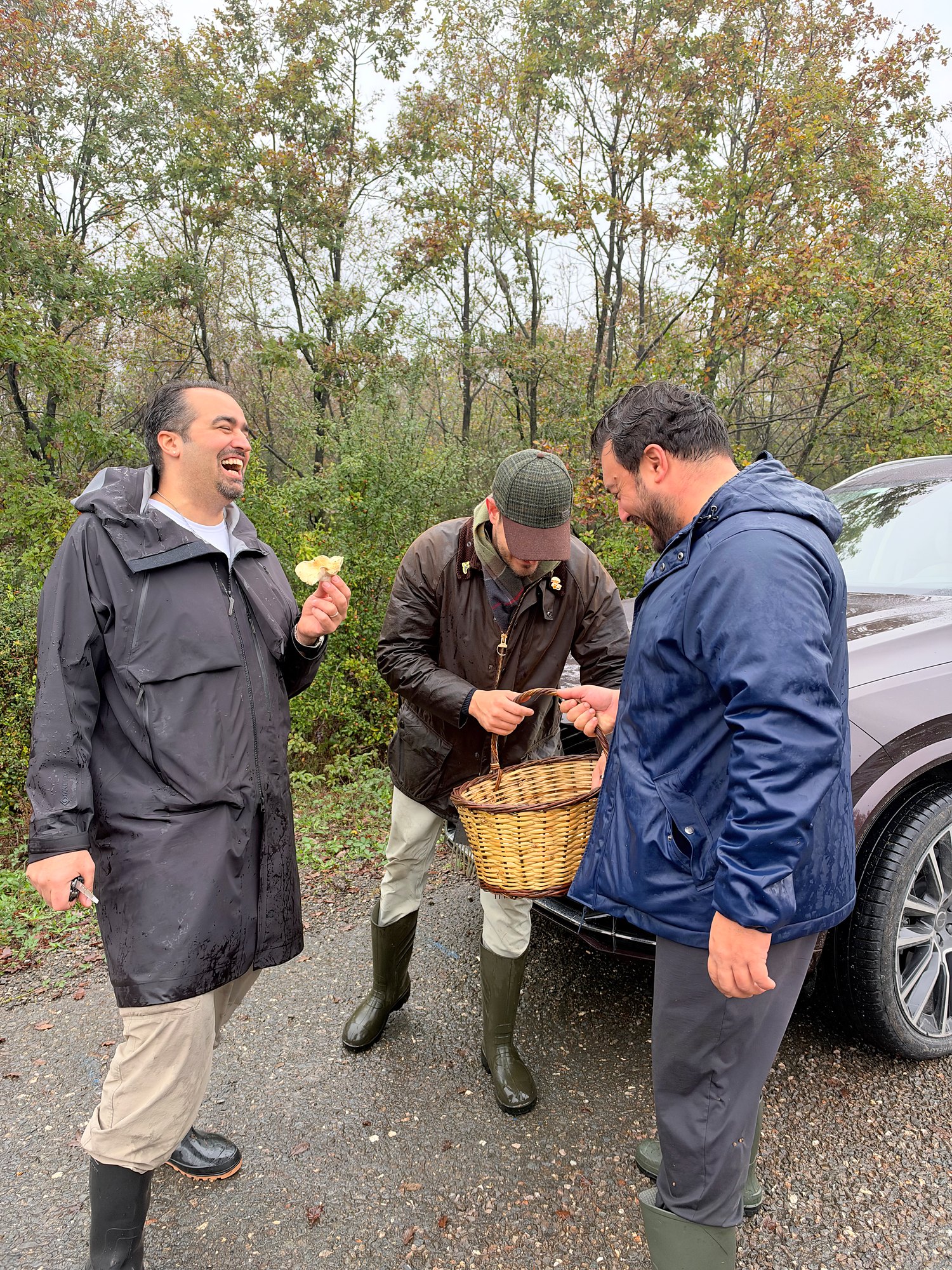
Photos: Sinan Hamamsarılar
The real lesson: the table
Back at the hotel, Jilber emptied every basket onto the garden tables, one by one. He sorted, culled and laid out an exhibition: the edible on one side, the inedible and the poisonous on the other. Three things dominated the conversation: the hedgehog mushrooms the forest gave up so generously this year, the clusters of black trumpets, and the Caesar’s mushroom Emre found by sheer luck. The Caesar’s takes its name from the Roman emperors who prized it. Don’t let the orange cap fool you, though: what sets it apart from its poisonous lookalike, the fly agaric, is its yellow stem and yellow gills.
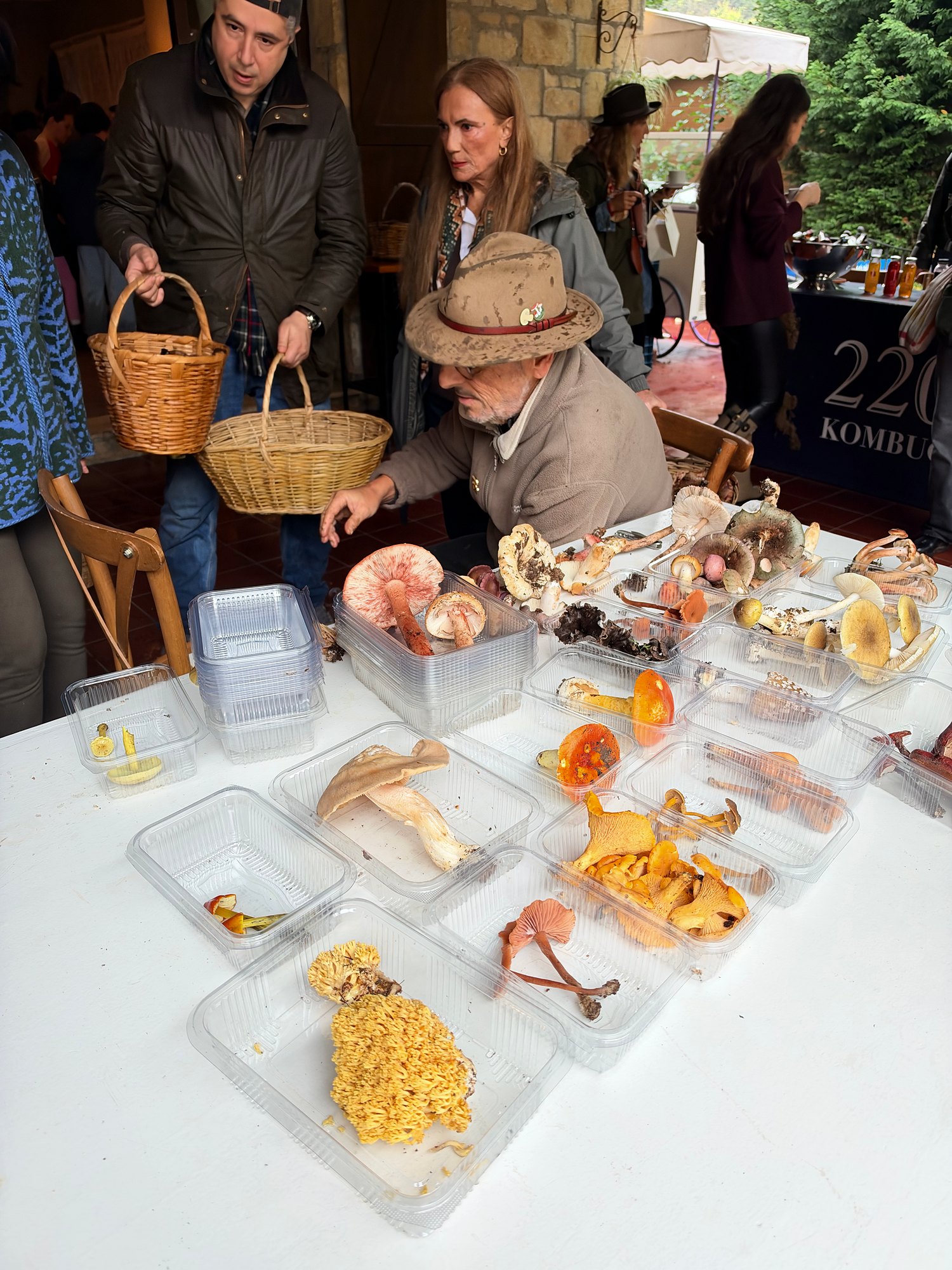
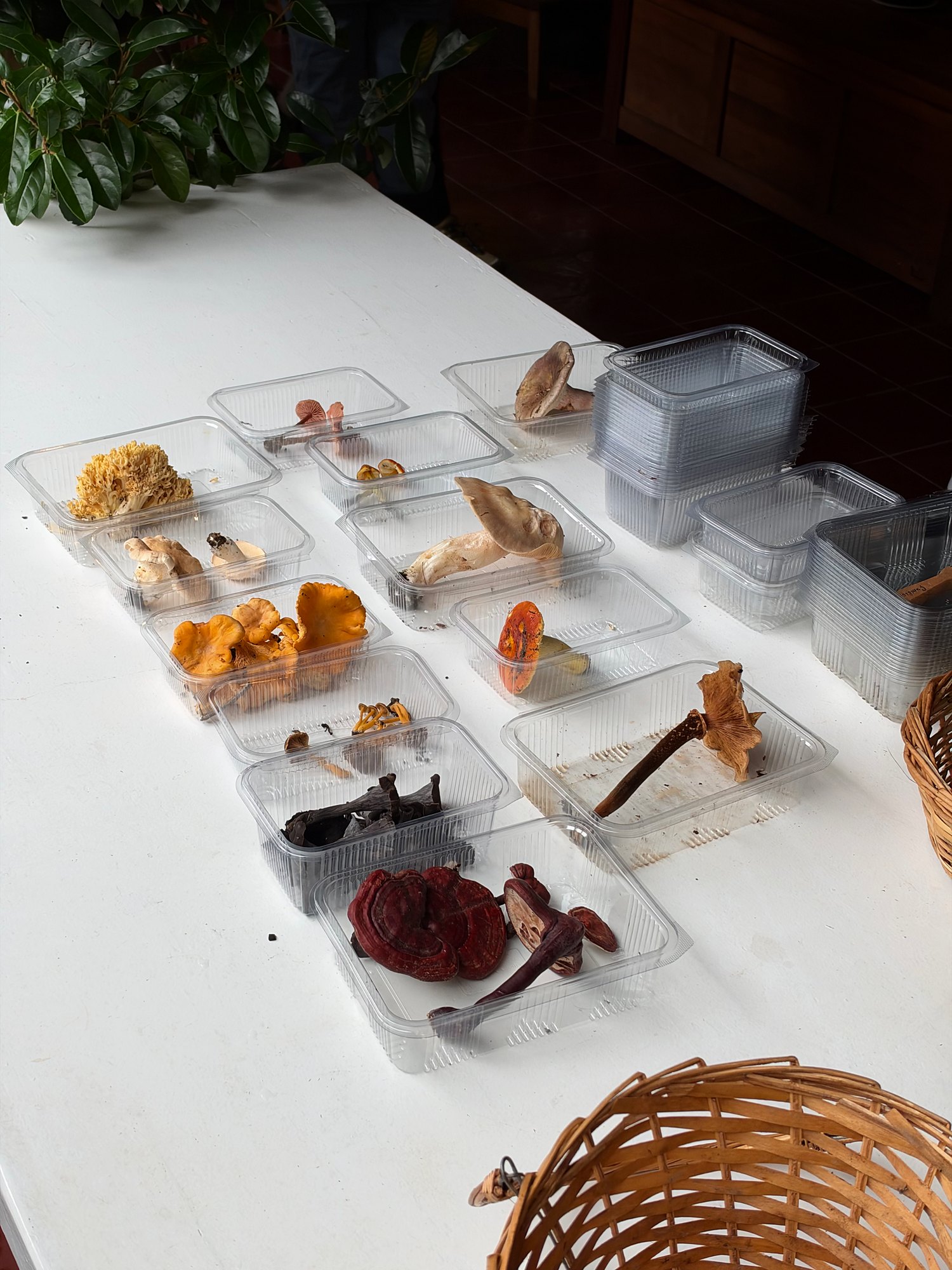
Photos: Sinan Hamamsarılar
That table was the point of the whole day. You can’t tell mushrooms apart by looking at them. You tell them apart by knowing them.
What we found
What stuck with me from the table, starting with the day’s big three. These names and notes are not an identification guide; please read the warning at the end of this post.
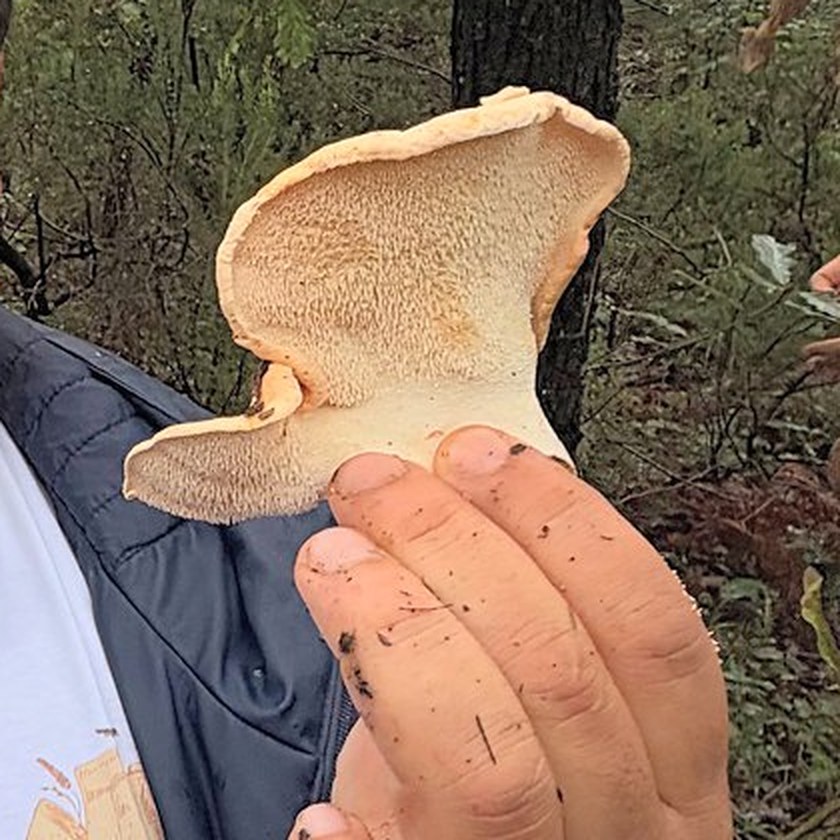
Hedgehog mushroom
Sığır dili · Hydnum repandum
Instead of gills, dense little spines under the cap. Its Turkish name, “ox tongue,” comes from that rough surface. Large ones can turn sharp.
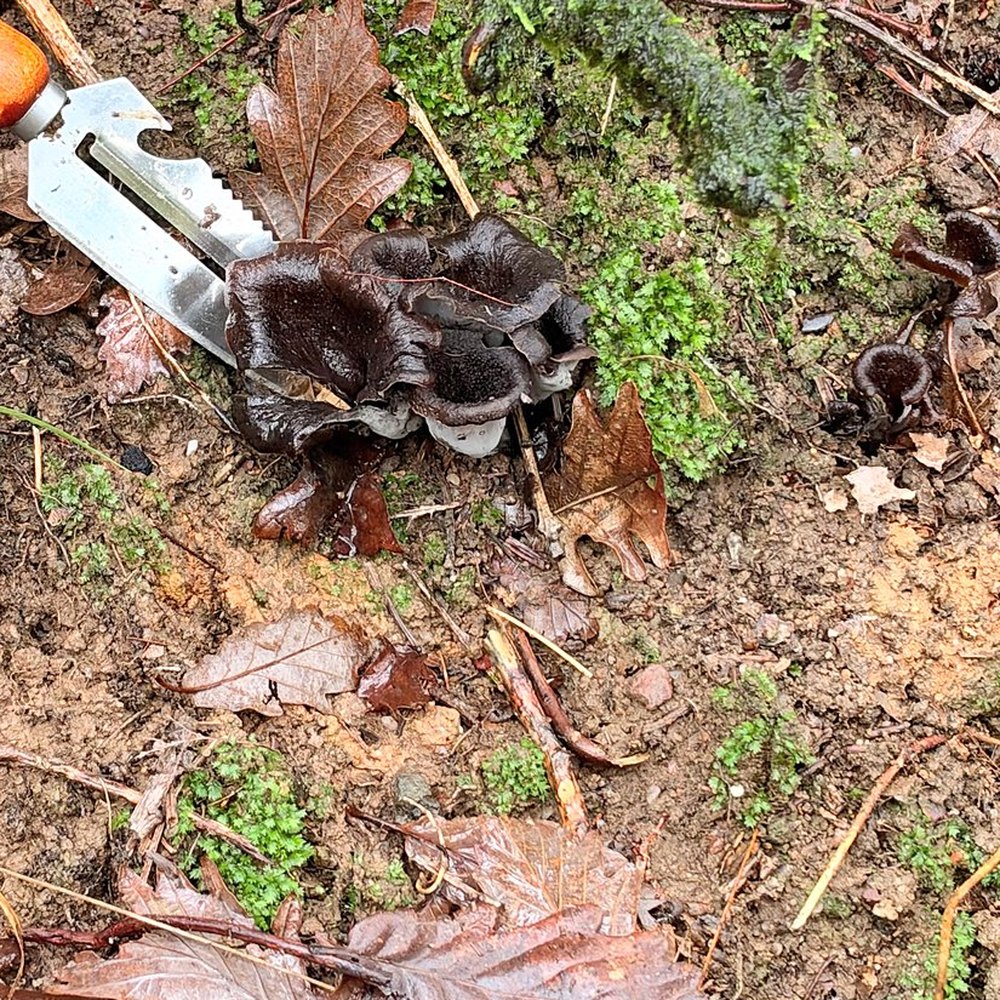
Black trumpet
Borazan mantarı · Craterellus cornucopioides
Clusters under the leaf litter and hides in plain sight until your eye adjusts. A bumper year.
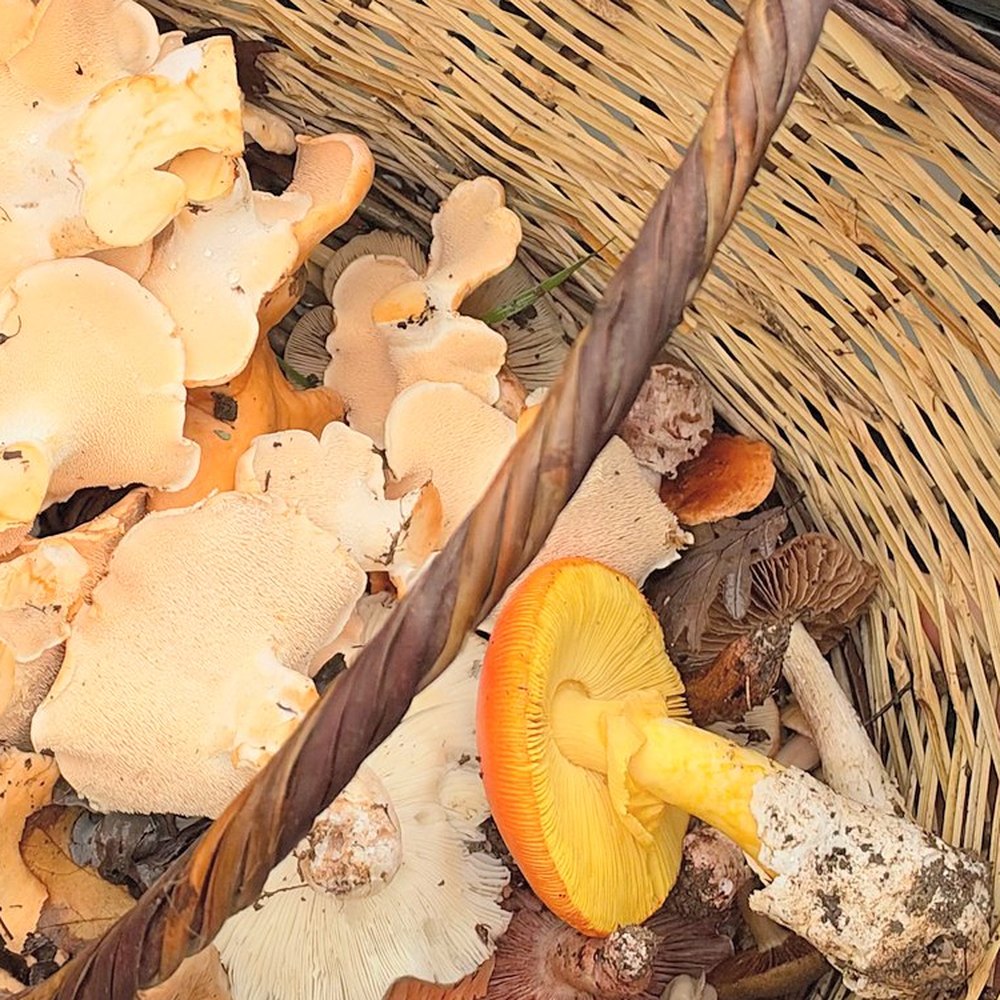
Caesar’s mushroom
Sezar mantarı · Amanita caesarea
Orange cap, yellow gills and stem, a white cup at the base. Its genus includes deadly species; eat it only with an expert’s ID.
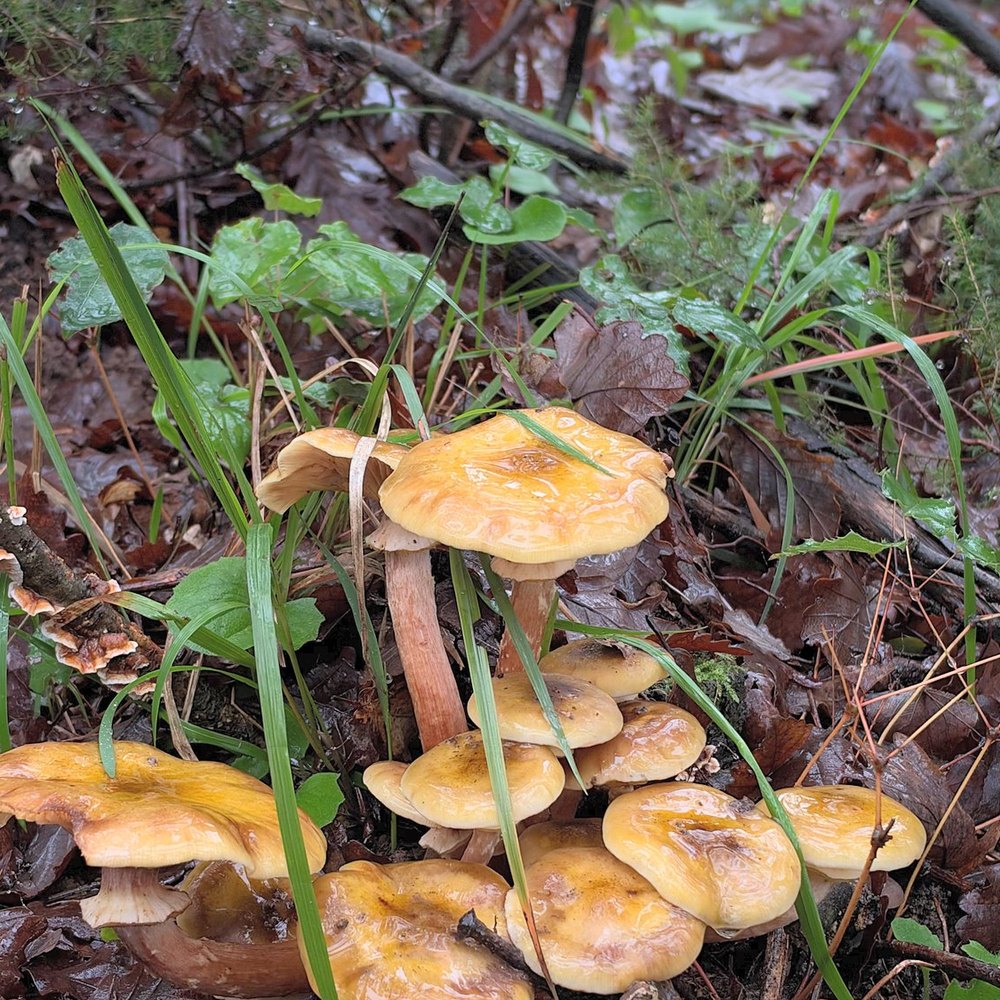
Honey fungus
Bal mantarı · Armillaria mellea group
Never raw; blanch and cook it. Grows in clusters at the base of trees and can be confused with the poisonous Galerina.
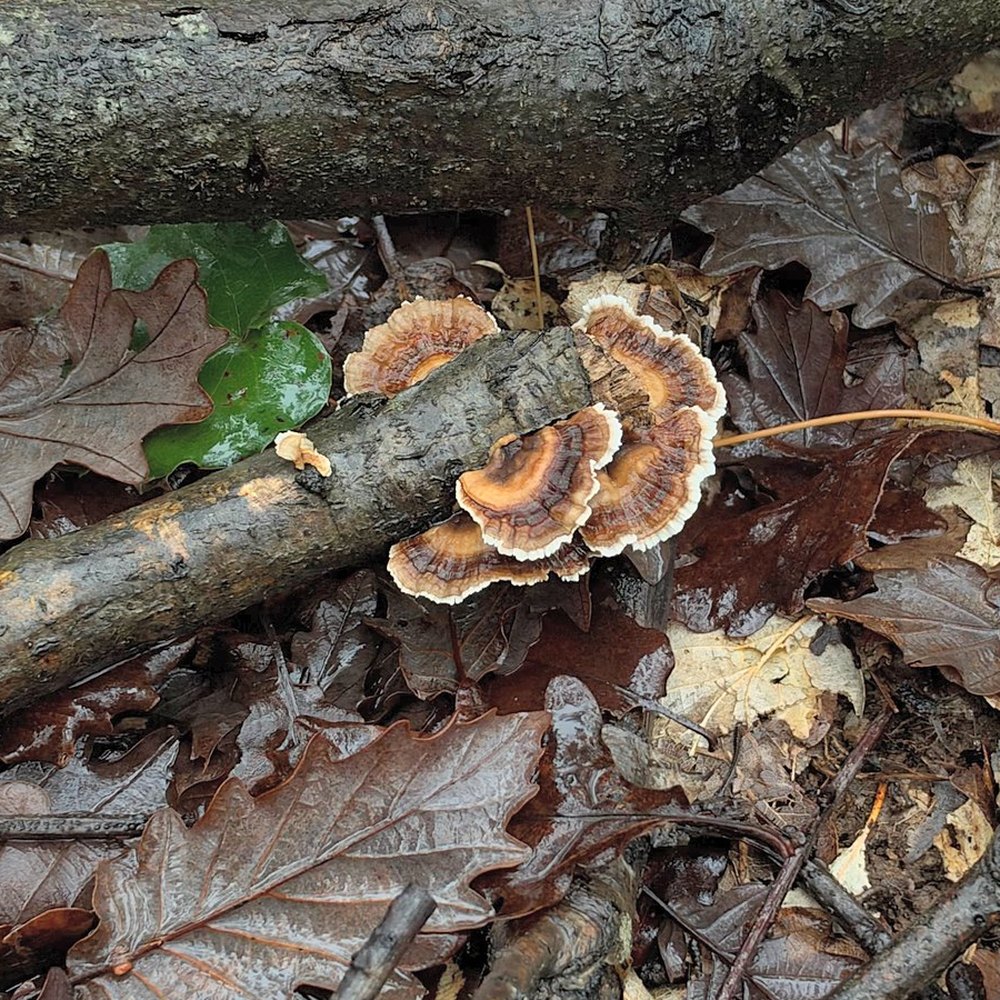
Turkey tail
Hindi kuyruğu · Trametes versicolor
A tough bracket fungus with concentric color bands, on dead branches.
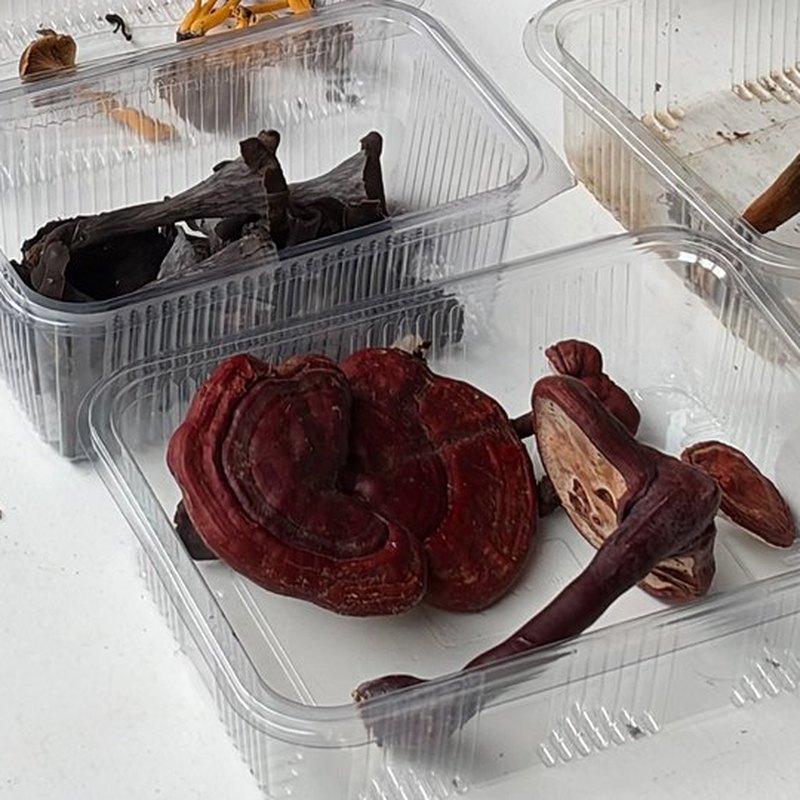
Reishi
Ganoderma sp.
A woody bracket fungus with a glossy, lacquered red-brown top.
Photos: Sinan Hamamsarılar
Lunch
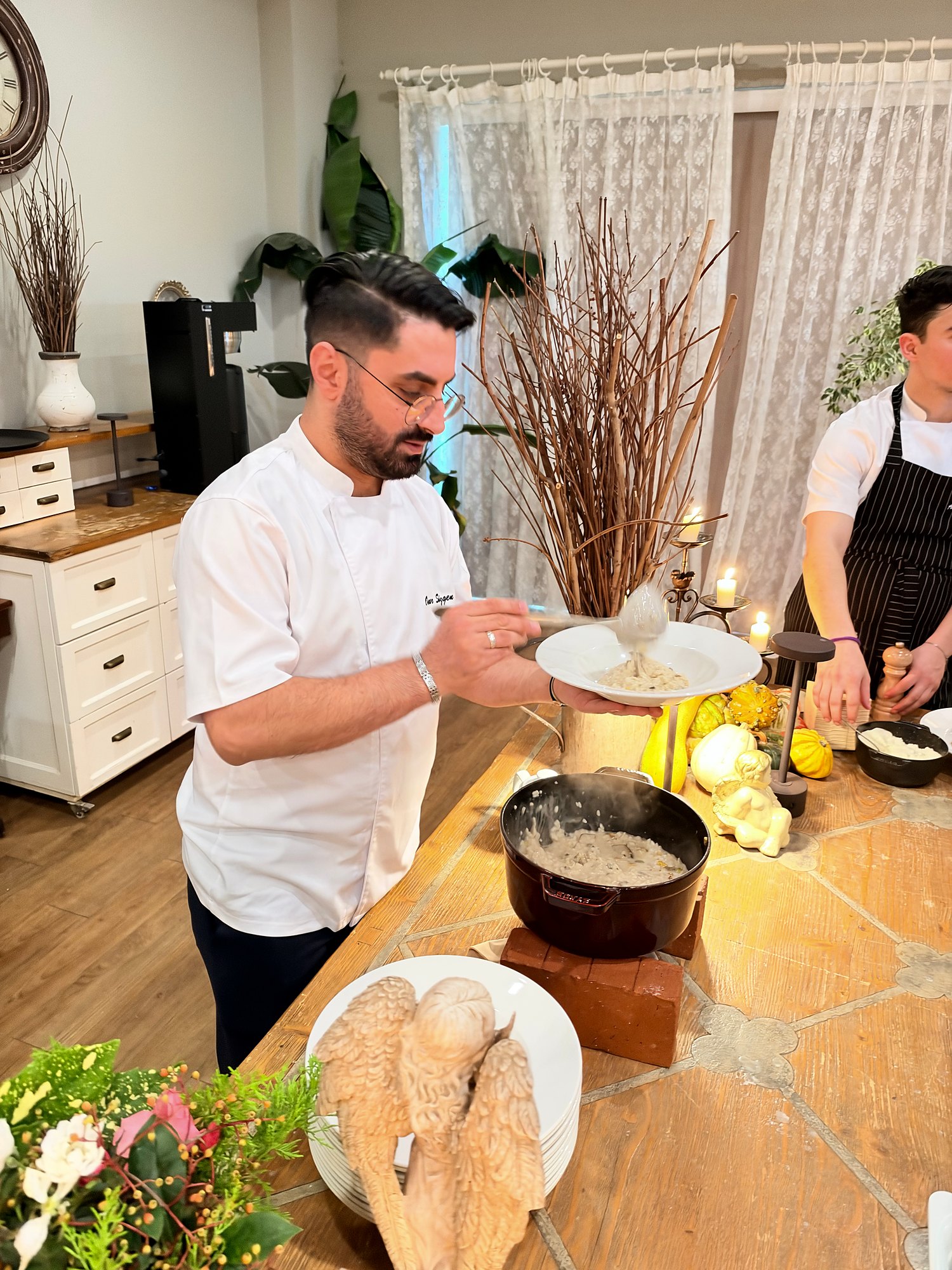
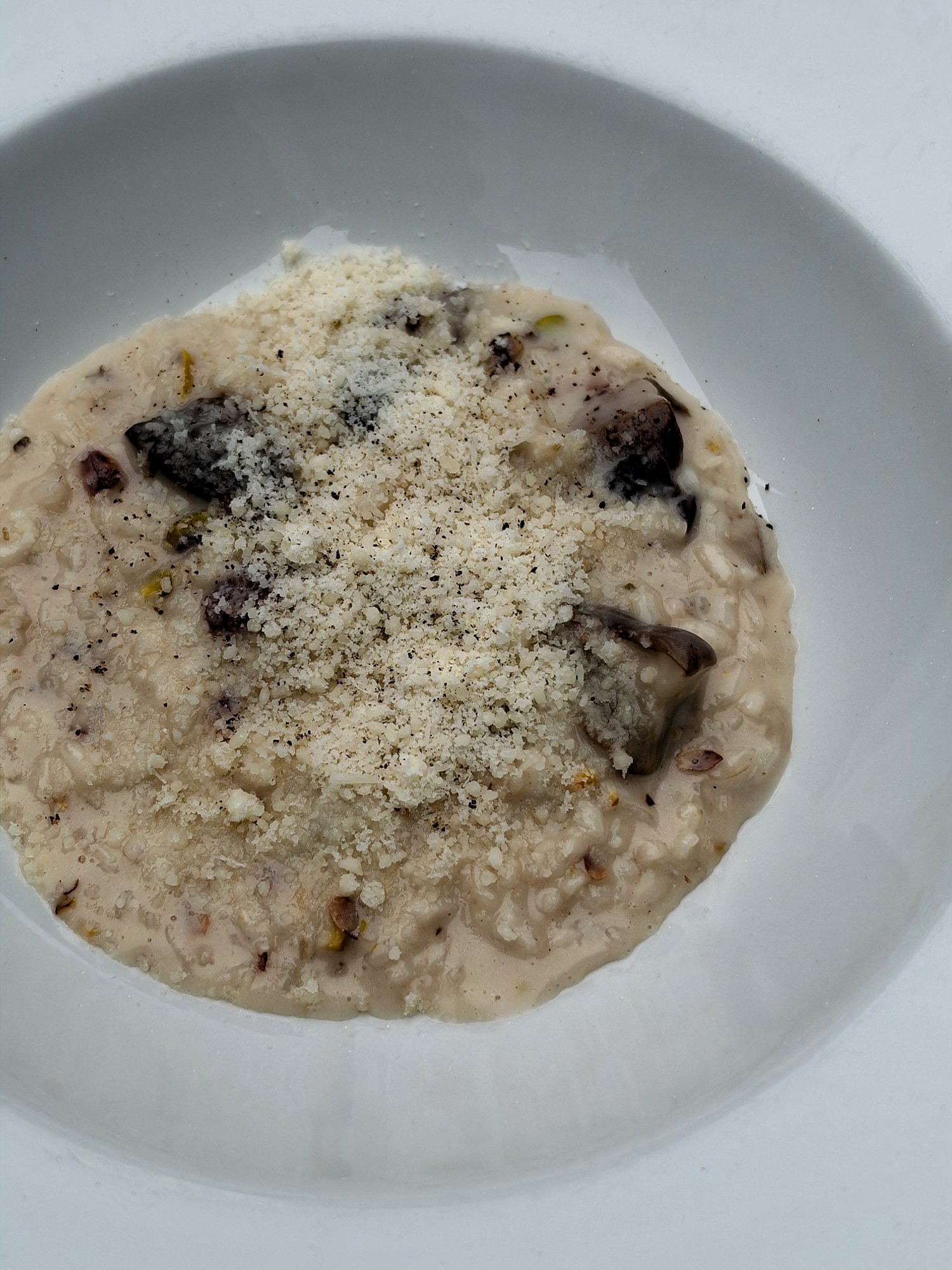
The mushrooms in our baskets didn’t go into the pot that day. Rişe Özkan Trio played through lunch, and the food was Emre’s autumn menu: a truffle-scented chestnut soup with morels (bottomless), a wild mushroom risotto with Parmigiano Reggiano, and desserts.
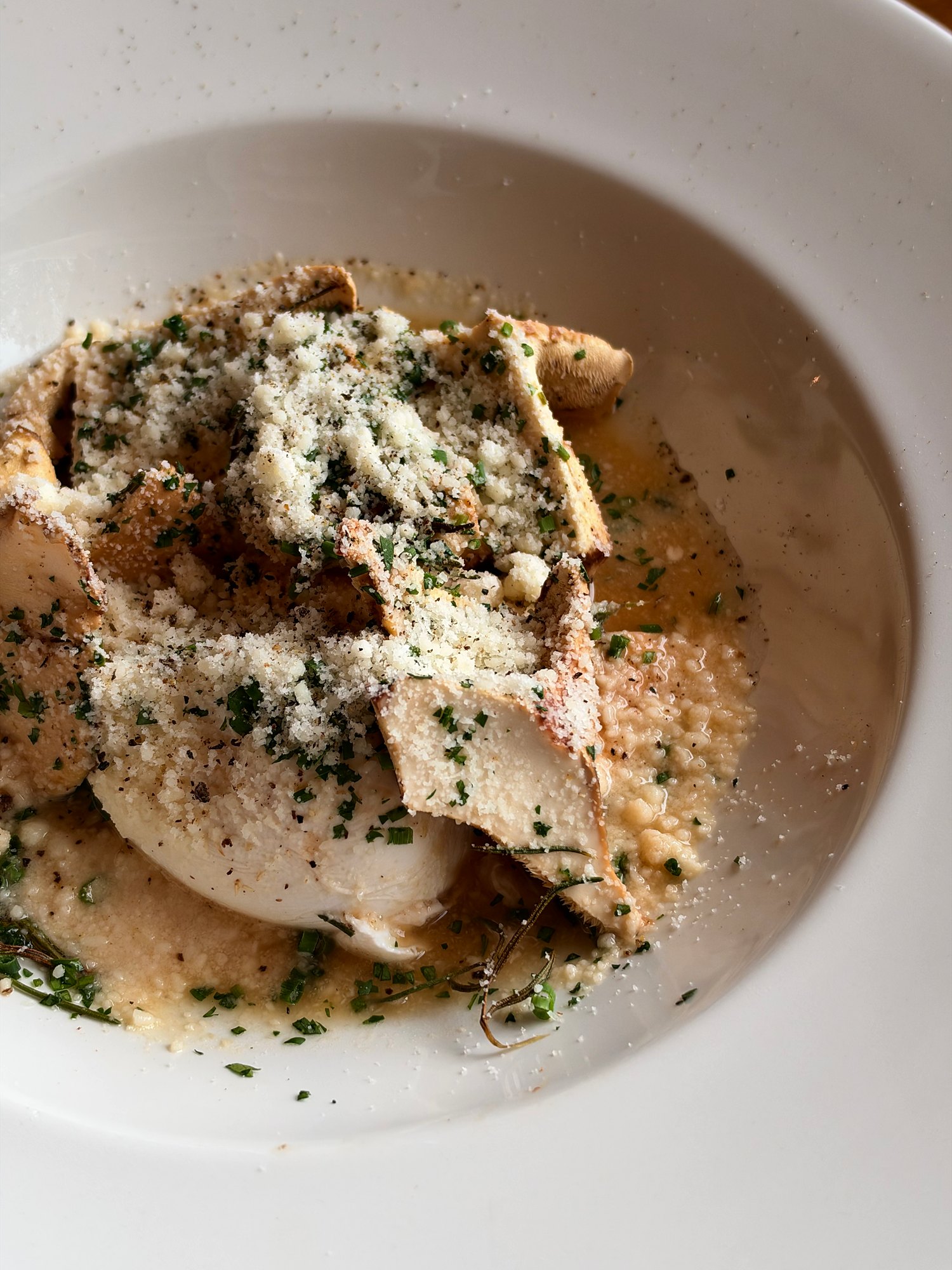
With one exception. The Şen brothers are two people I always love spending time with. Emre is also the chef at Epoca, where Anaterranean worked with him on a new menu last year, and his cooking deserves a post of its own. He took the hedgehog mushrooms we’d just picked and seared them in a hot pan, then, to fit my nutrition plan, served them with three poached eggs and grated Parmigiano Reggiano. Ten out of ten. Five stars.
Photos: Sinan Hamamsarılar
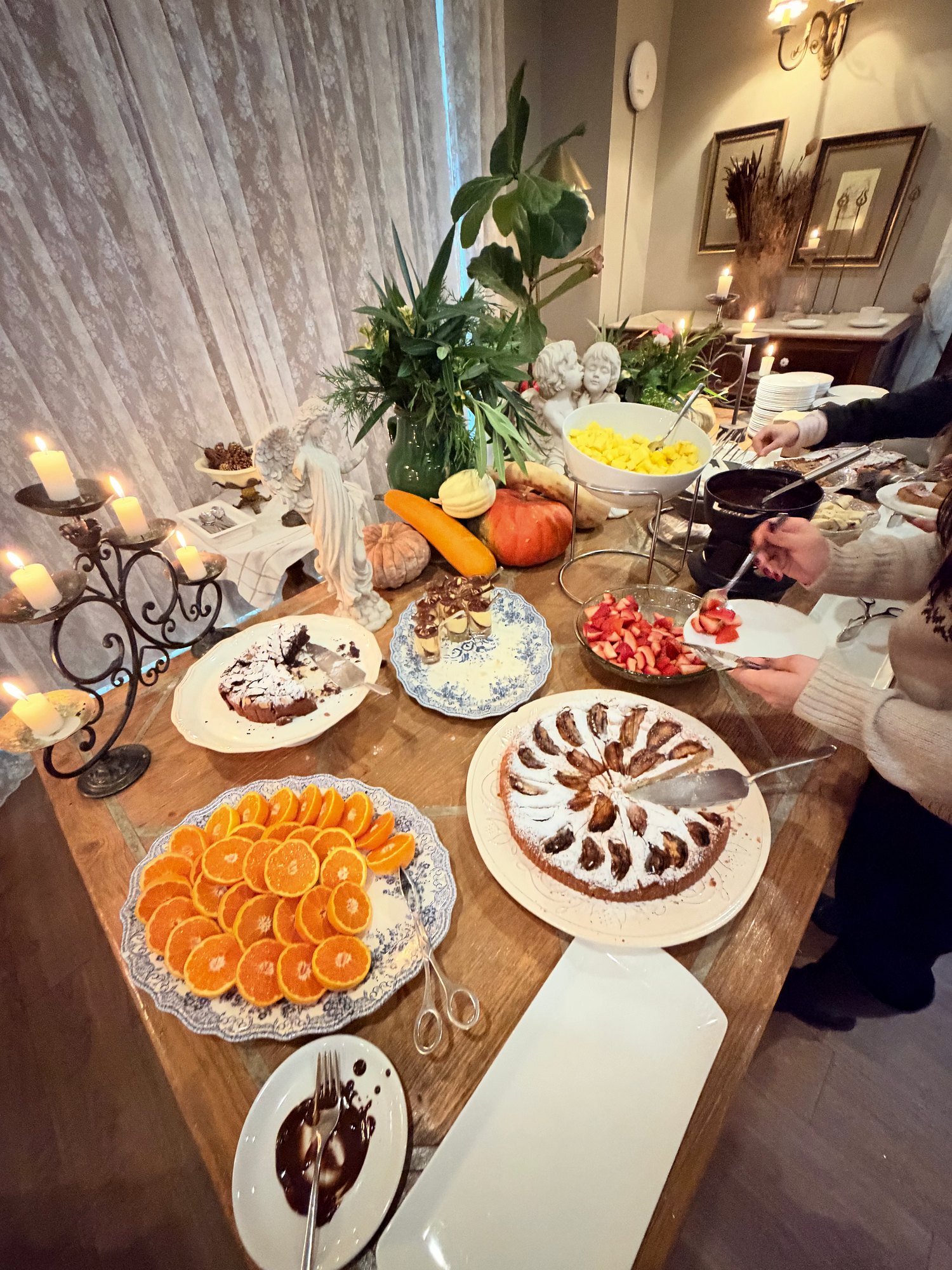
Photos: Sinan Hamamsarılar
The day closed with Jilber walking us through every mushroom on the table, followed by a book signing.
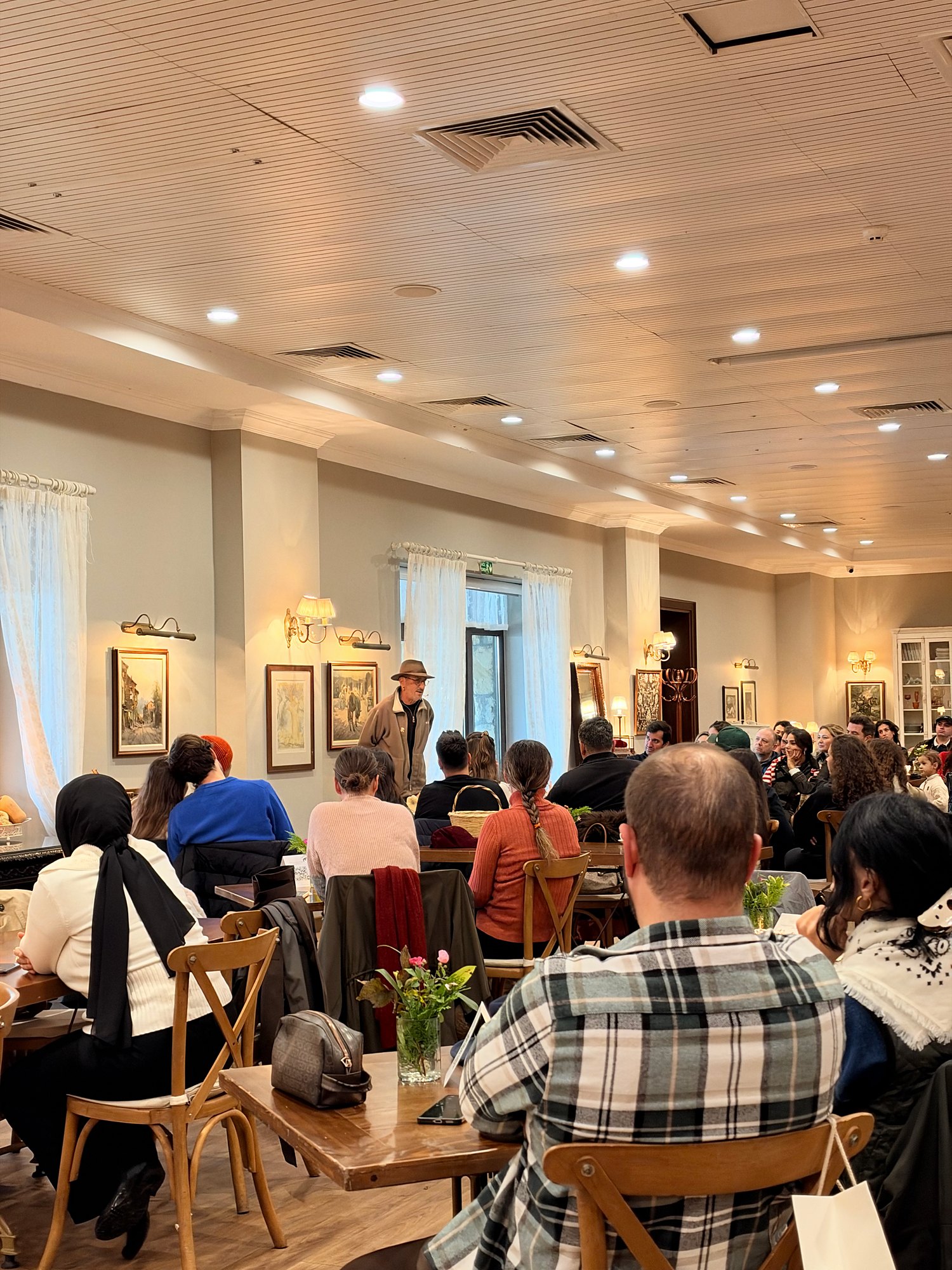
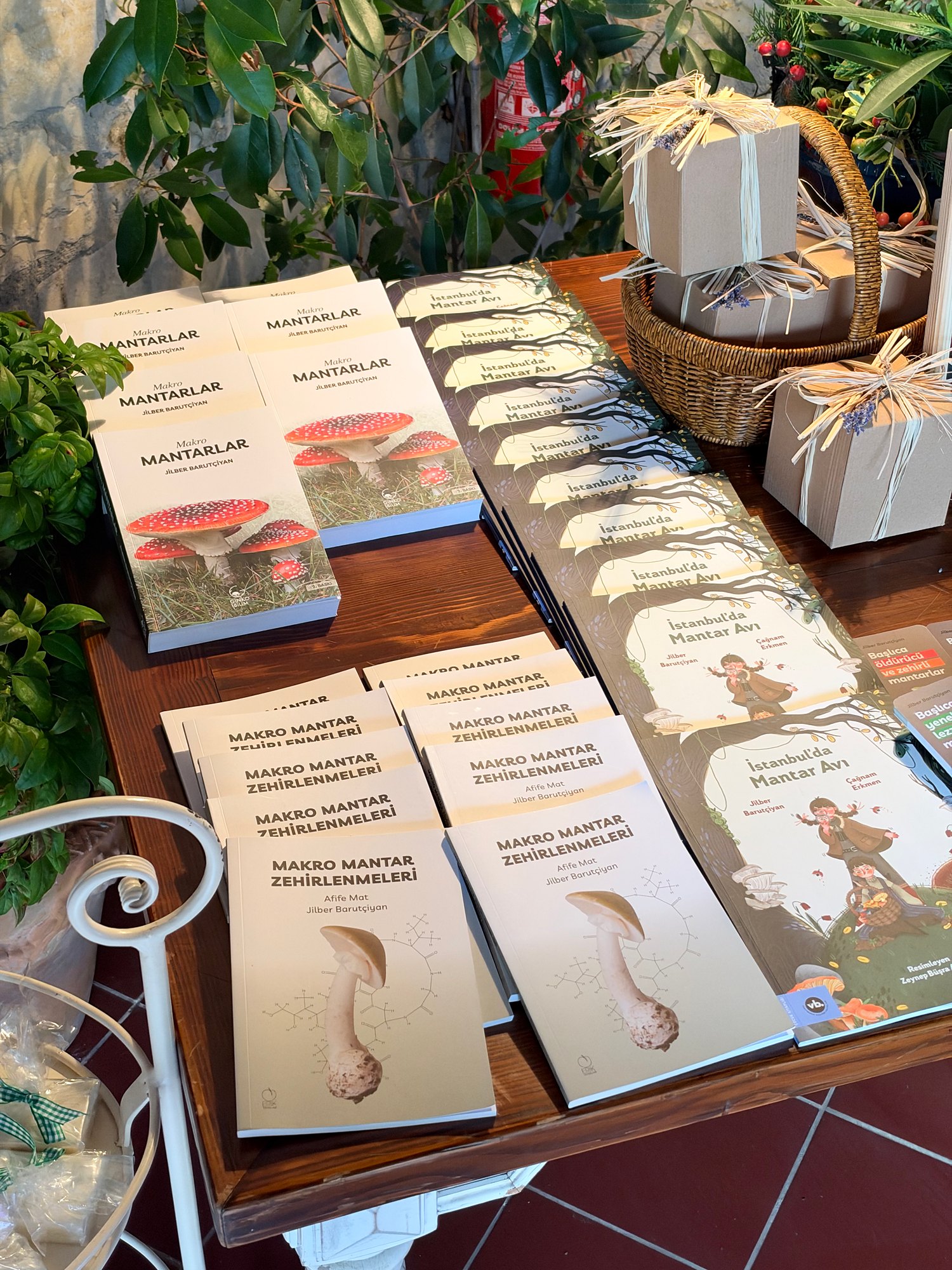
Photos: Sinan Hamamsarılar
Nilay shared the day on her own account, too. She’s the one holding the Caesar’s, though by her own account she had nothing to do with finding it. Her notes also have the best question of the day: when Jilber told us touching a mushroom won’t poison you, a child asked, “So can we lick them?”
If you want to go
- When: October and November; this year it’s expected to run through the end of November. It depends on the weather and may be canceled if conditions aren’t right.
- Schedule: 10 a.m. meet and breakfast · 11 a.m. mushroom hunt · 1 p.m. lunch · 2 p.m. Jilber’s talk · 3 p.m. book signing and time in the garden. The day wraps up at 4 p.m.
- Price (October 2026): 4,800 TL per person; 2,400 TL for ages 2–12; free under 2. Breakfast, lunch, dessert and soft drinks included.
- Booking: casalavanda.com.tr or +90 533 030 36 97. Yapı Kredi Crystal cardholders get a discount.
- Bring: a basket, a pocketknife, a rain jacket, and waterproof, non-slip shoes.
- Bonus: any edible mushrooms Jilber approves are yours to take home.
Important. The photos and names in this post are not an identification guide. Every edible mushroom has a poisonous lookalike, and common names change from region to region. You can’t decide whether a mushroom is safe to eat by its name or its looks. Most mushroom deaths come from a single species: the death cap (Amanita phalloides). Never eat a wild mushroom without an expert’s confirmation. In Türkiye, call 114 (National Poison Information Center) if you suspect poisoning.
Advertising and partnerships. This post contains advertising. I attended the event as a guest of Casa Lavanda. We drove to the forest in vehicles from Volvo, which partners with Casa Lavanda. HeyHotel AI is a company co-founded by Ekin Şen, and Anaterranean is in talks with HeyHotel AI about a project. All opinions are my own. My editorial principles →