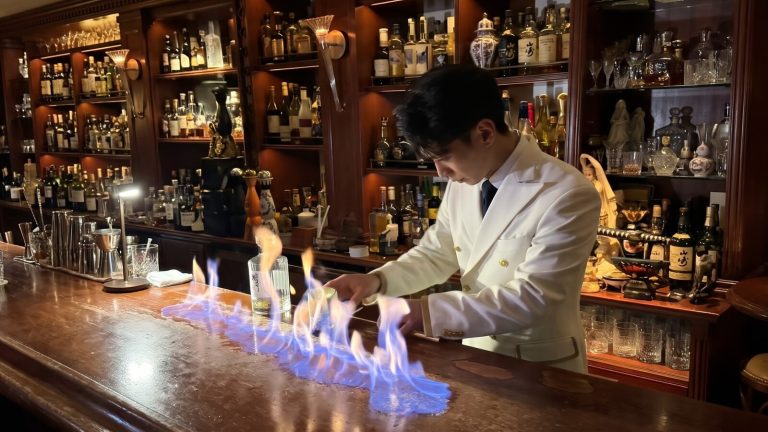
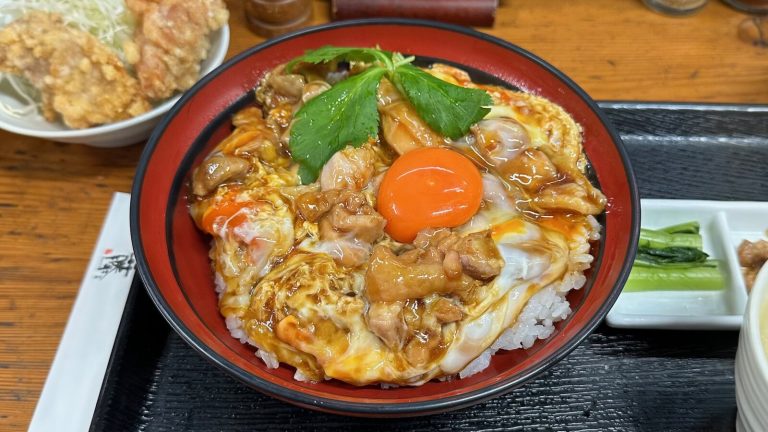
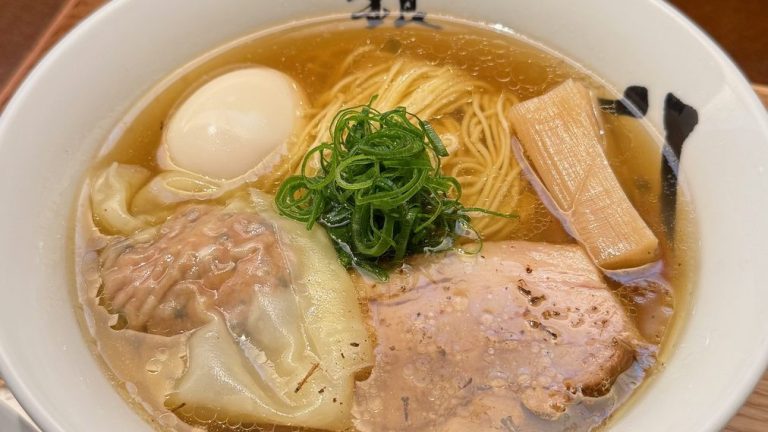
Omakase means “I’ll leave it to you.” You don’t choose the menu; the chef behind the counter does, based on what’s best that day and the order it should be eaten in.
In Japan the word is most closely tied to the sushi counter, but you’ll find omakase at tempura, yakitori and kappo restaurants too. The common thread: you sit, the chef prepares everything in front of you, and each piece is handed across the counter.
Omakase, kaiseki and kappo: what’s the difference?
The three get mixed up all the time. The shortest way to put it: kaiseki is a cuisine, omakase is a way of serving.
- Omakase: The chef decides. Usually eaten at the counter, with the chef in front of you. The meal builds from light to rich and changes with the day’s ingredients.
- Kaiseki: A seasonal, multi-course meal with a set sequence, rooted in the tea ceremony. Usually served at a table or in a private room. This is Kyoto’s cuisine.
- Kappo: Somewhere in between. The chef cooks at the counter in front of you, but it isn’t limited to sushi; think kaiseki dishes in a more relaxed setting.
Booking and cancelling
- Counters are small, and the good ones fill up weeks or even months ahead. Your hotel concierge or a booking platform is the easiest route.
- Cancellation rules are strict. A late cancellation or a no-show usually means paying for the full menu; the fish was bought for you.
- Be on time. At many counters everyone starts together, and latecomers miss the first pieces.
- Mention allergies and anything you don’t eat when you book, not once you’re seated.
- Ask about payment in advance. Some places are still cash only.
At the counter
- Skip the perfume. At a small counter it spoils everyone’s meal.
- Eat each piece as soon as it’s set down. The rice and fish are prepared for that exact moment.
- Hands or chopsticks, both are fine.
- One bite. Don’t split the piece or pull the fish off the rice.
- If the chef has brushed on sauce or added salt, skip the soy. If you do use soy, dip the fish side, not the rice.
- Don’t stir wasabi into your soy; the chef has already added it where it belongs. If you don’t want it, say sabi nuki.
- The pickled ginger (gari) is a palate cleanser, not a topping.
- Some counters don’t allow photos. If in doubt, ask.
- No tipping. A gochisōsama deshita (“thank you for the meal”) on the way out is all it takes.
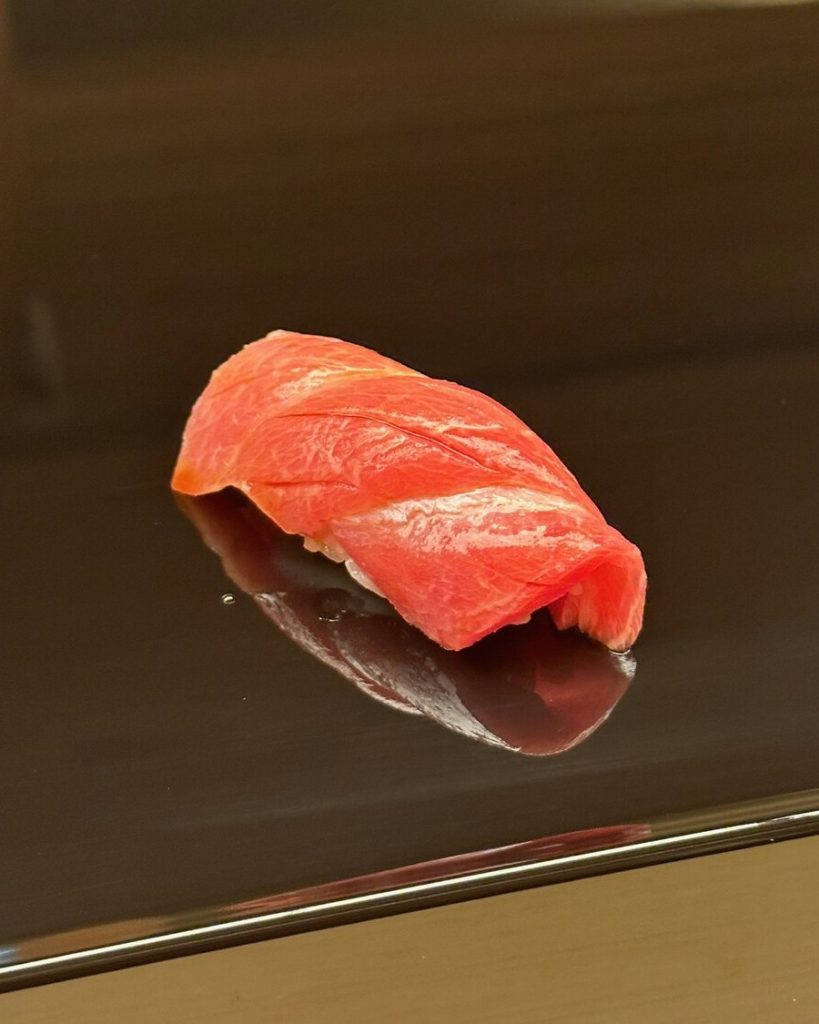
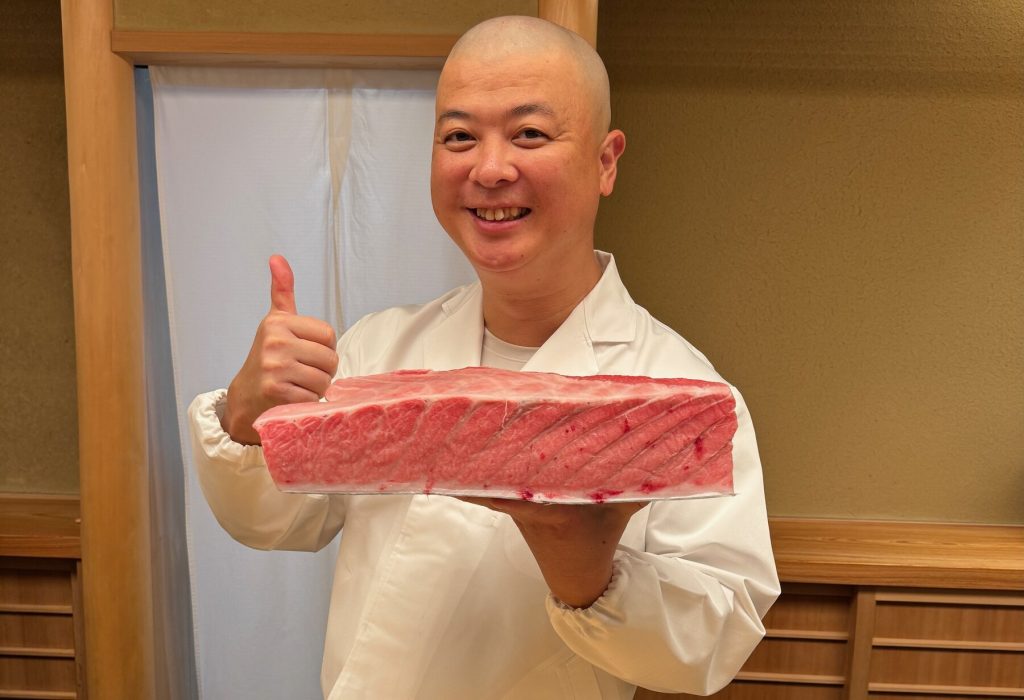
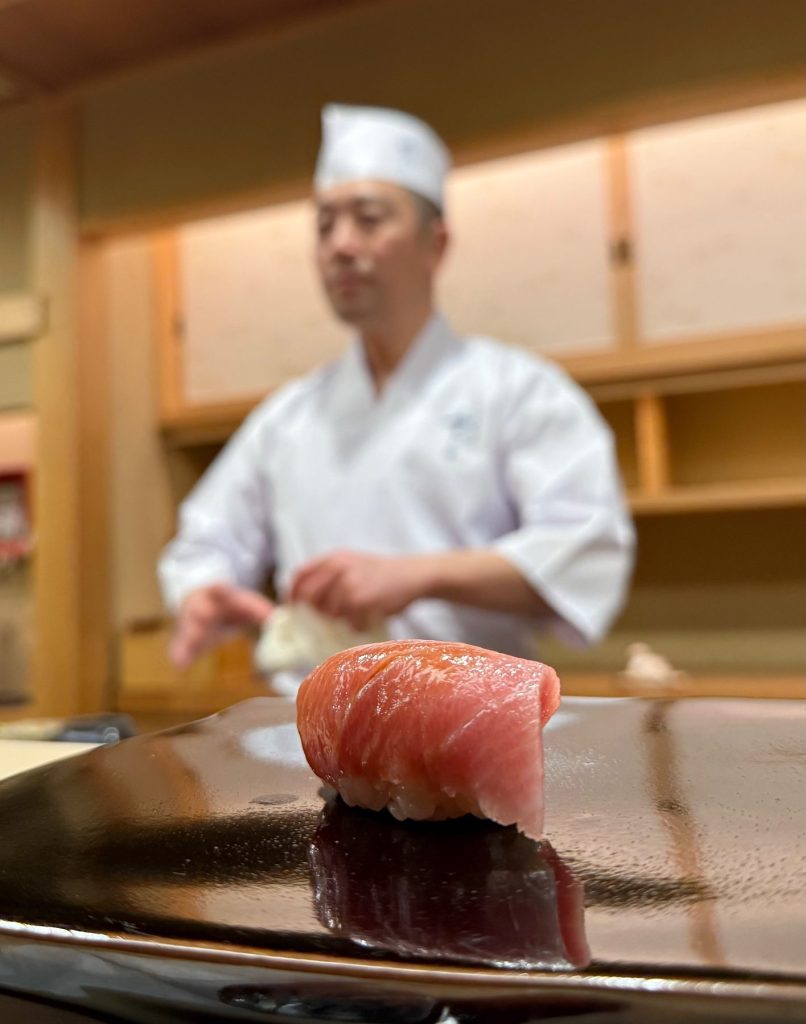
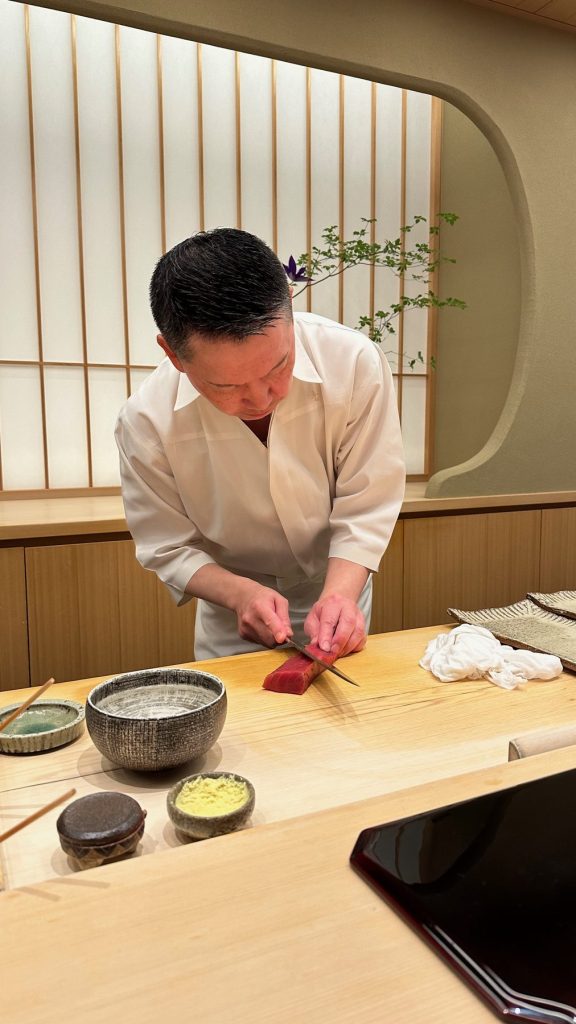
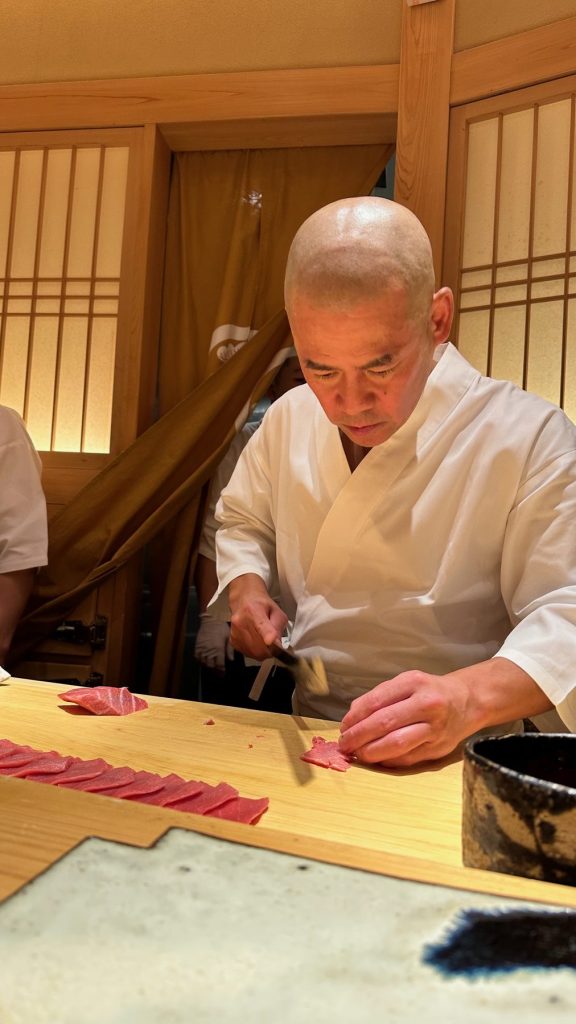
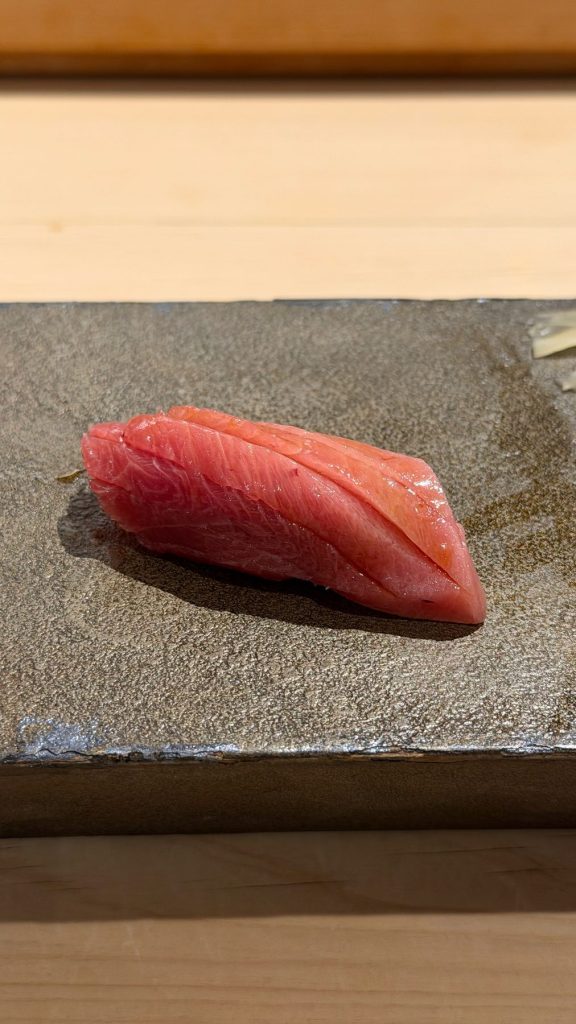
A sushi master in Ginza with the day’s tuna. On the left, a piece of toro nigiri.Photos: Sinan Hamamsarılar
How long does it take?
A sushi omakase usually runs an hour and a half to two hours. I’m not quoting prices: they move fast, and they vary several-fold within the same city. Places that offer lunch are a far gentler way in than dinner.
Counters on my list
For sushi omakase in Tokyo: Sushi Sugita in Nihonbashi, very hard to book; Sukiyabashi Jiro, Harutaka, Hakkoku and Sushi Masa Ishibashi in Ginza; Sushi Mitsui, Sushi Meino and Matsukan in Azabu-Juban; Sushi Saito and Fukuzushi in Roppongi; and, for the old school, Kizushi in Ningyocho and Sushidokoro Yamato in Hatchobori.
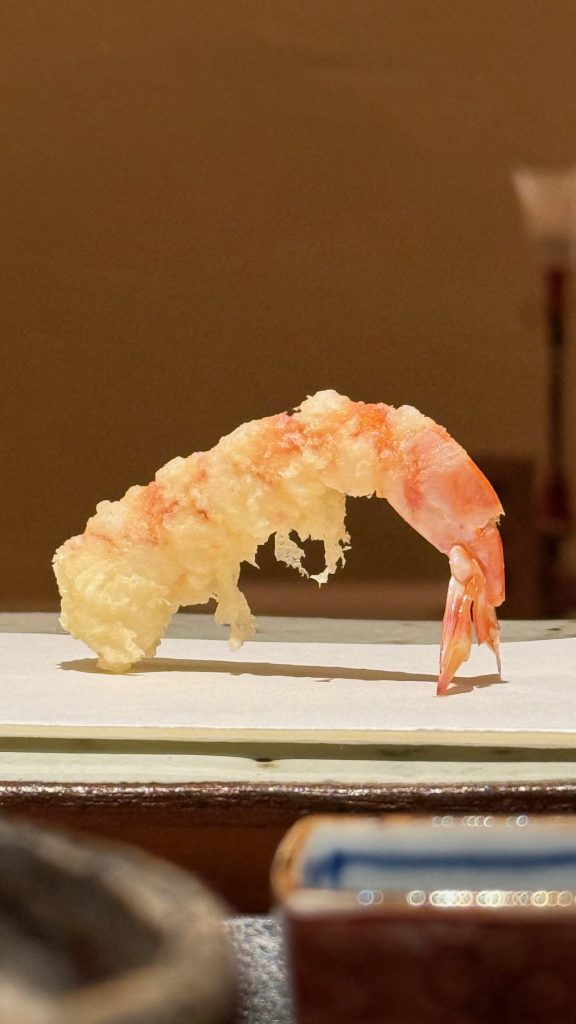
For the same experience at a tempura counter: Tempura Kondo in Ginza and Tempura Motoyoshi in Ebisu.
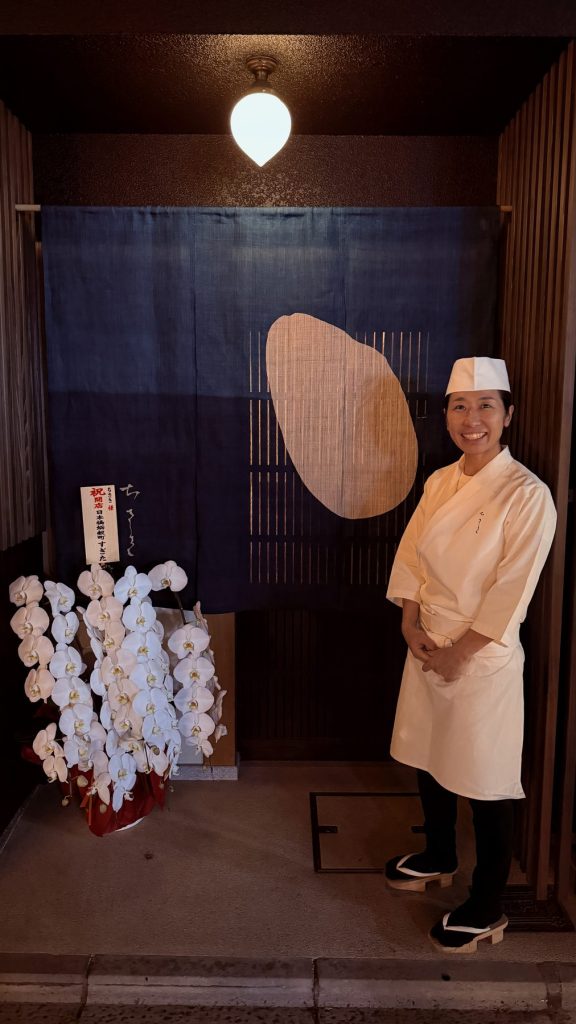
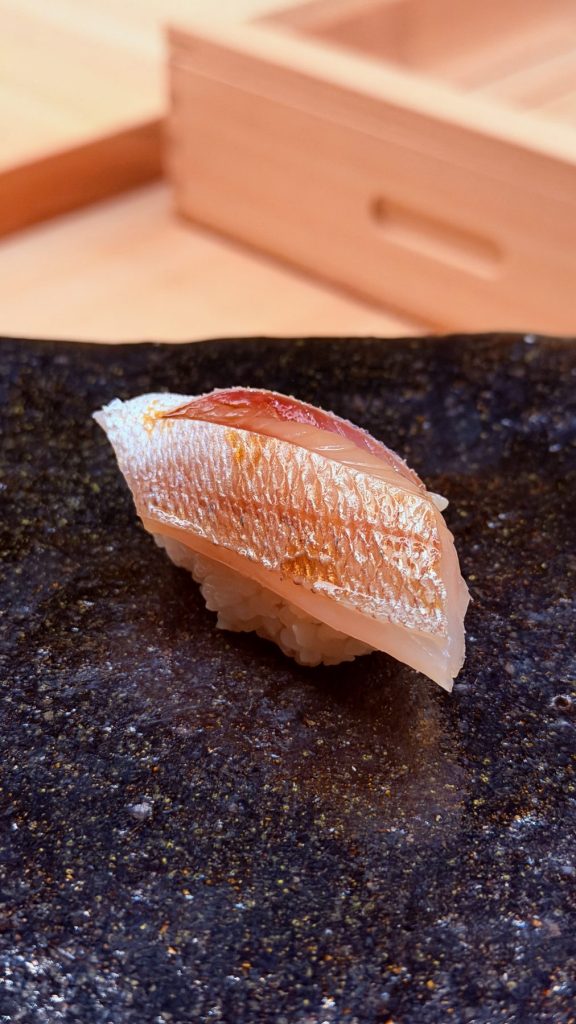
In Kyoto: Sushi Chisaki and Sushi Saeki for sushi; Kikunoi Honten, Hyotei, Tagawa and Kyōya for kaiseki; Kappo Sakamoto for kappo.
If you’d like to get a feel for counter culture before tackling the hard-to-book places, try standing sushi: Sushicho Bekkan in Tsukiji or Uogashi Standing Sushi Bar in Shimbashi. Not omakase, but a good start.
Every address is mapped, neighbourhood by neighbourhood, in my Tokyo and Kyoto guides.
For listeners
Nilay and I talked through the sushi legends, from Jiro to Harutaka, and the Japanese that actually helps with a menu, in episode 19 of Yemekte Bile Yemek Konuşuyoruz (in Turkish).