Sinop: where to eat, what to see
The story of Sinop
Where the name comes from
The name has barely changed in 2,700 years: Sinope. In myth it comes from Sinope, daughter of the river god Asopus. Zeus fell for her and promised her any wish; she asked never to marry, and the god had to keep his word. Sinope lived out her days alone on this peninsula.
In history, the town was founded as a colony by sailors from Miletus in the 7th century BC. Diogenes, the philosopher who lived in a barrel, was born here; the statue in the centre is his.
Kings, sultans and a raid
In 183 BC it became the capital of the Kingdom of Pontus, followed by Rome and Byzantium. The Seljuks took it in 1214; the Alaaddin Mosque dates from those years. It passed to the Ottomans in the 15th century.
On 30 November 1853 the Russian fleet burned the Ottoman fleet in the harbour. The Battle of Sinop was one of the sparks of the Crimean War. The prison inside the fortress ran from 1887 to 1997; today it is a museum.
Why lakerda
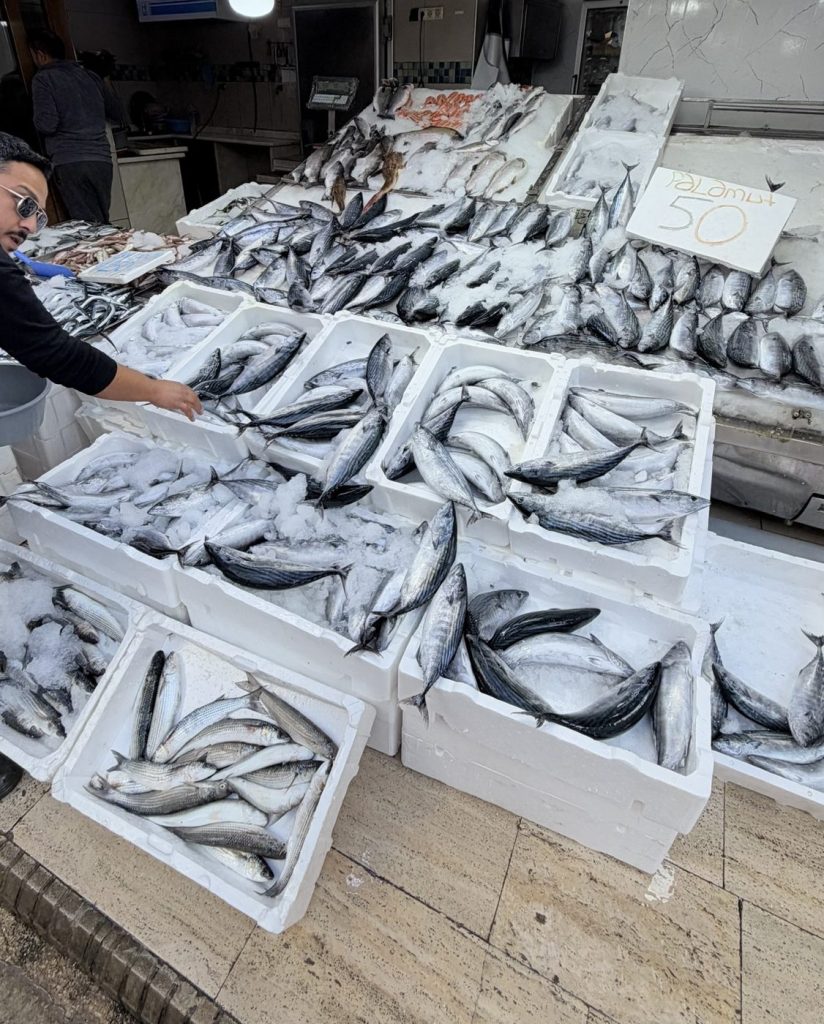
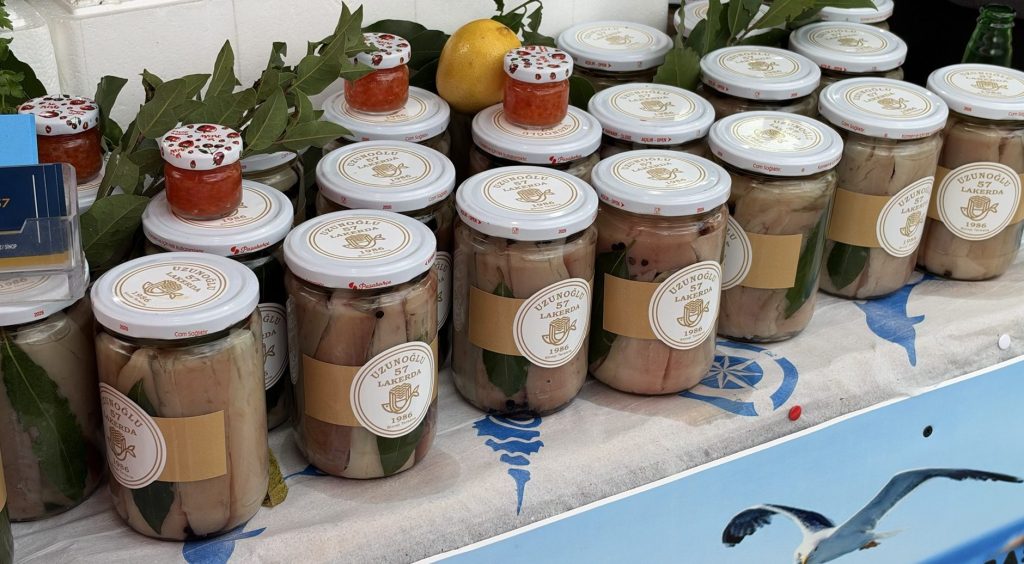
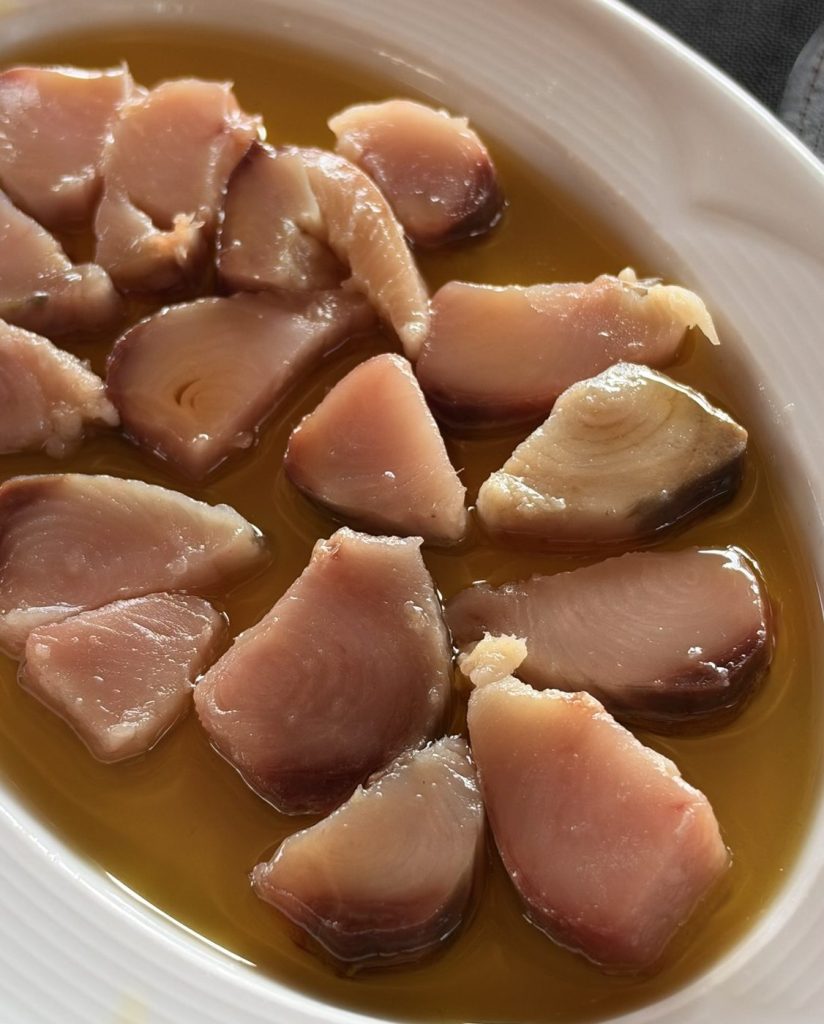
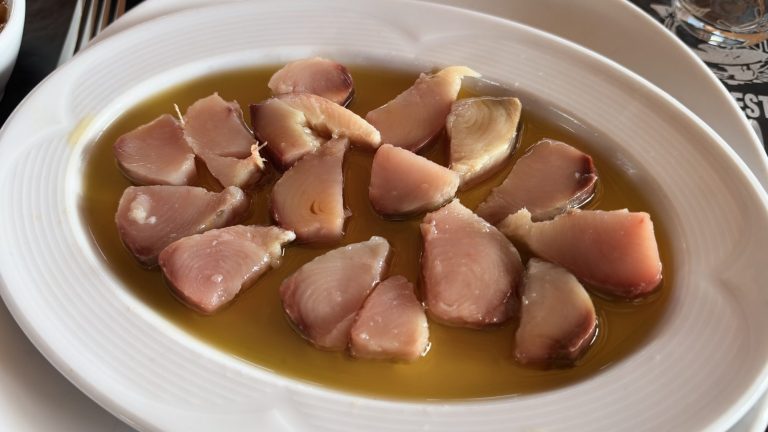
Sinop has lived off fish for two thousand years. Even the ancient geographer Strabo mentions Sinope for its bonito. Lakerda is that long story today: bonito, the best made from the large ones called torik, cured in salt. It is no accident that the Lakerda Festival is held here. I wrote about the festival, the makers and what we ate in Sinop in my Sinop Lakerda Festival post.
Areas
Town
- Centre 38Fortress, prison, harbour and market streets; most of it within walking distance.
Around Sinop
- Akliman and Hamsilos 2Beach, cove and pine forest; 15 minutes by car.
- İnceburun and Sarıkum 3The northernmost point of Turkey; dunes, a lake and a beach.
- Erfelek 2The Tatlıca waterfalls; give it half a day.
- Ayancık 3İnaltı Cave and Çamurca Beach.
- Gerze 1South of the peninsula; mantı and nokul.
- Boyabat 1The basalt rocks; about 100 km from the centre.
Where to eat, what to see
Museums and history 8Nature, coves and rocks 8Beaches for a swim 6Mantı 6Top 5 for nokul 5Top 5 for simit 5Restaurants and fish 8Coffee and sweets 3Where to stay 1
Museums and history8
- Sinop FortressThe harbour and two seas from the top of the wallsCentre
- Historic Sinop PrisonA prison from 1887 to 1997; the writer Sabahattin Ali was held hereCentre
- Sinop Archaeology MuseumHellenistic and Roman SinopeCentre
- Ethnography MuseumLocal dress, household objects, handicraftsCentre
- Balatlar ChurchA Byzantine church on the remains of a Roman bath; excavation ongoingCentre
- Alaaddin MosqueSeljuk, 13th centuryCentre
- Pervane Madrasa1262; craft shops around the courtyardCentre
- Sabahattin Ali Cultural Centre (Buzhane)A former ice house; the main venue of the Lakerda FestivalCentre
Nature, coves and rocks8
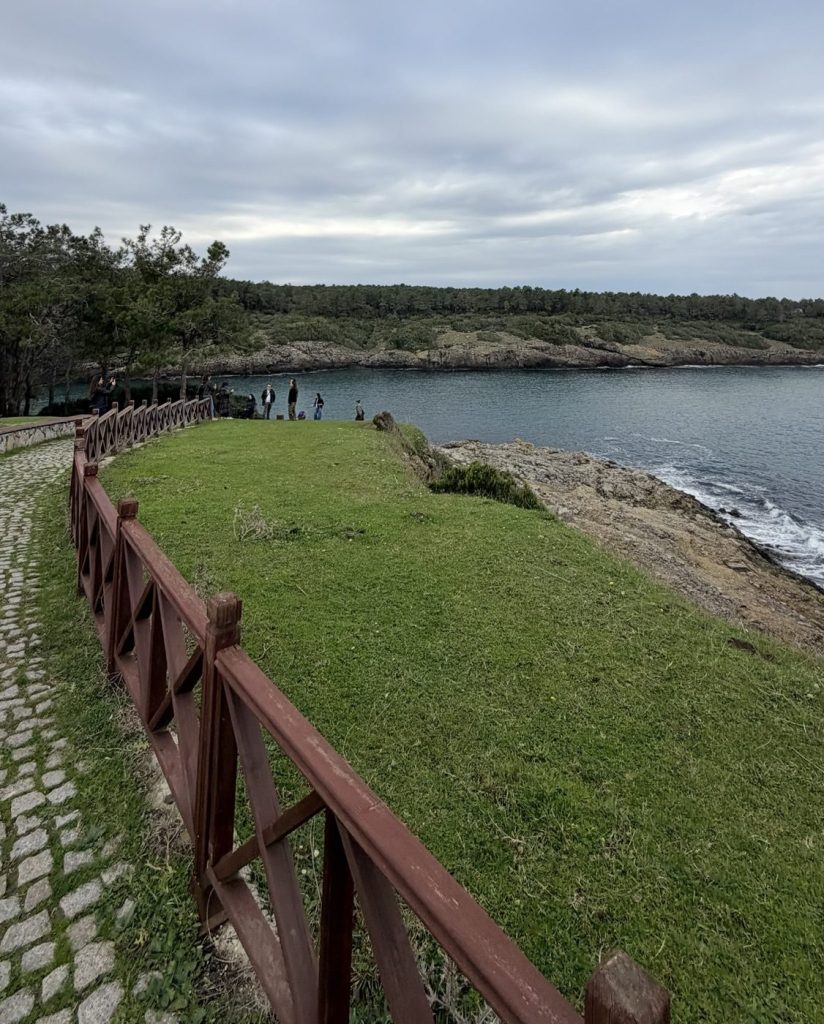
- Hamsilos Nature ParkA narrow, fjord-like cove, protected since 1991; good for a swimHamsilos
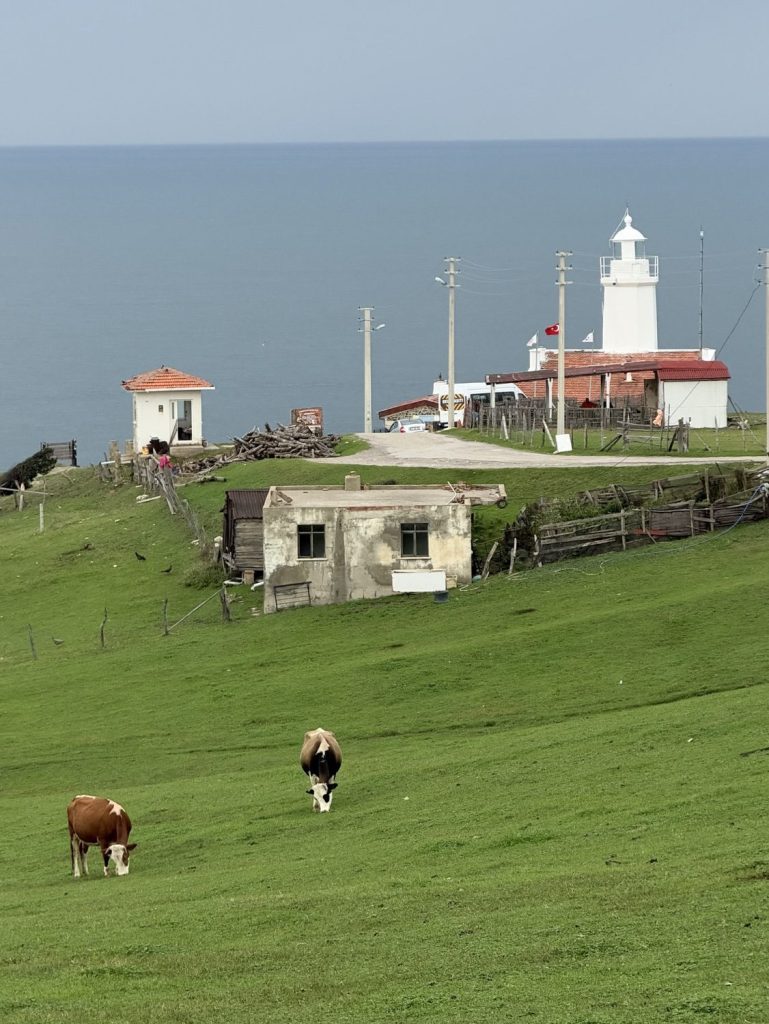
- İnceburun LighthouseThe northernmost point of Turkey; the lighthouse dates from 1863İnceburun
- Erfelek Tatlıca Waterfalls28 waterfalls along a wooden walkwayErfelek
- Lake SarıkumA lagoon behind the dunes; birdwatchingSarıkum
- İnaltı CaveStalactites and stalagmites, on the road to AyancıkAyancık
- Aşıklar ParkOn the seafront in the centre; go for the sunsetCentre
- Basalt Rocks Natural MonumentHexagonal lava columns, 3 to 5 million years old; about 100 km from the centreBoyabat
- Akgöl Nature ParkA forest lake inland from AyancıkAyancık
Beaches for a swim6
- Karakum BeachAt the eastern edge of town; shallow and sandyCentre
- Kumkapı BeachIn Gelincik, right below the fortress; walk into the sea from townCentre
- Mobil BeachIn Gelincik; a free public beachCentre
- AklimanA long sandy beach backed by pine forestAkliman
- Sarıkum BeachIn front of the dunes and the lake; wide and quietSarıkum
- Çamurca BeachOn the road to Ayancık; clear, calm waterAyancık
Mantı6
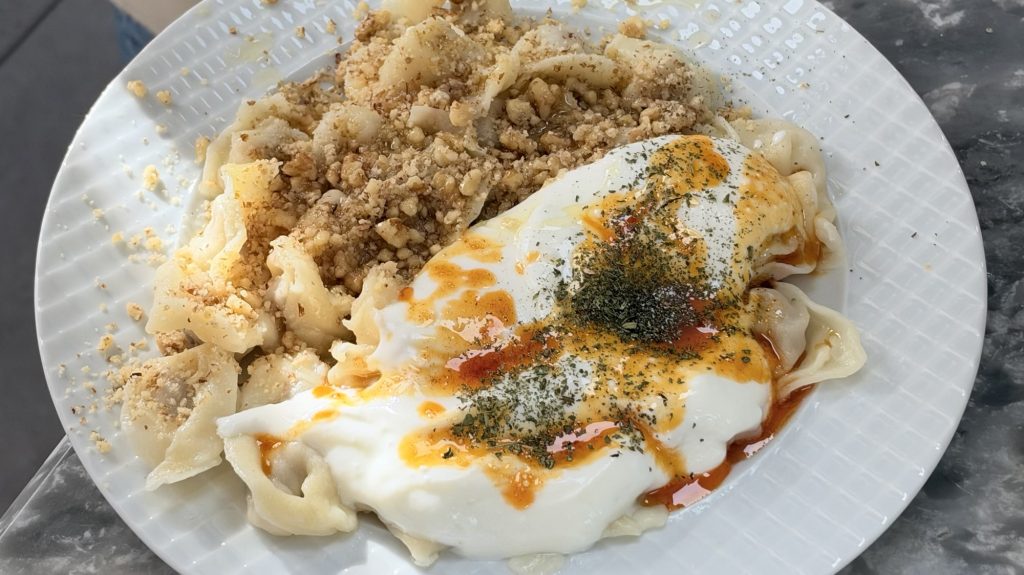
- Esra’nın MutfağıHalf with walnuts, half with yoghurt; butter on the sideCentre
- Sinop Örnek MantıMeydankapı; they make nokul tooCentre
- Teyze’nin Yeri Mantı SalonuYeni MahalleCentre
- Mantıcı MelahatYeni MahalleCentre
- Annemin MantısıİncedayıCentre
- Mantı EviThe mantı kitchen of the Sinop Women’s Cooperative, Gazi CaddesiCentre
Top 5 for nokul5
Top 5 for simit5
Restaurants and fish8
- Beyaz EvA Sinop table, from tirsi fish köfte to hamsi kuşuCentre
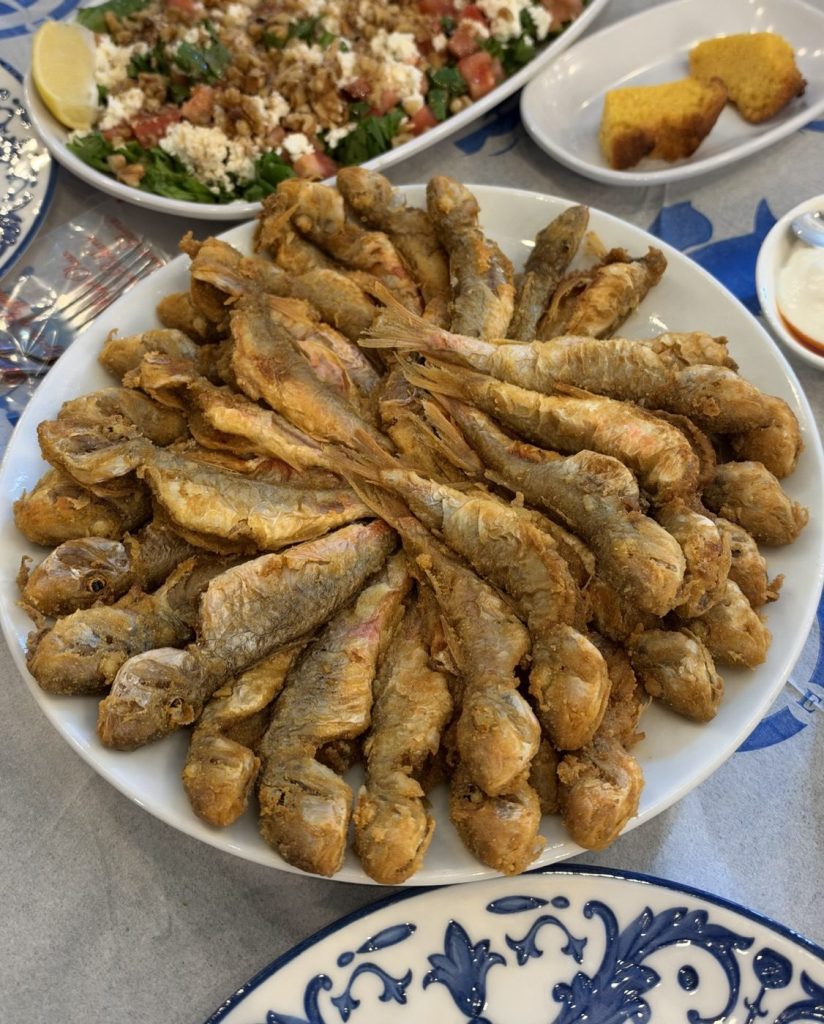
- Saray RestoranOn the harbour; lakerda and the fish of the dayCentre
- Sinop Şehir KulübüOn Kurtuluş Caddesi, in the middle of the market streetsCentre
- Kardelen Balık EviMeydankapıCentre
- Balıkçı AkınFish, soup and meze; try the gurnard soupCentre
- Karainci FırınClosed pide and baked goodsCentre
- Öztürk RestoranA roadside stop in Erfelek: breakfast, sulu köfte, ıslamaErfelek
- Nolan HouseA new place in KarakumCentre
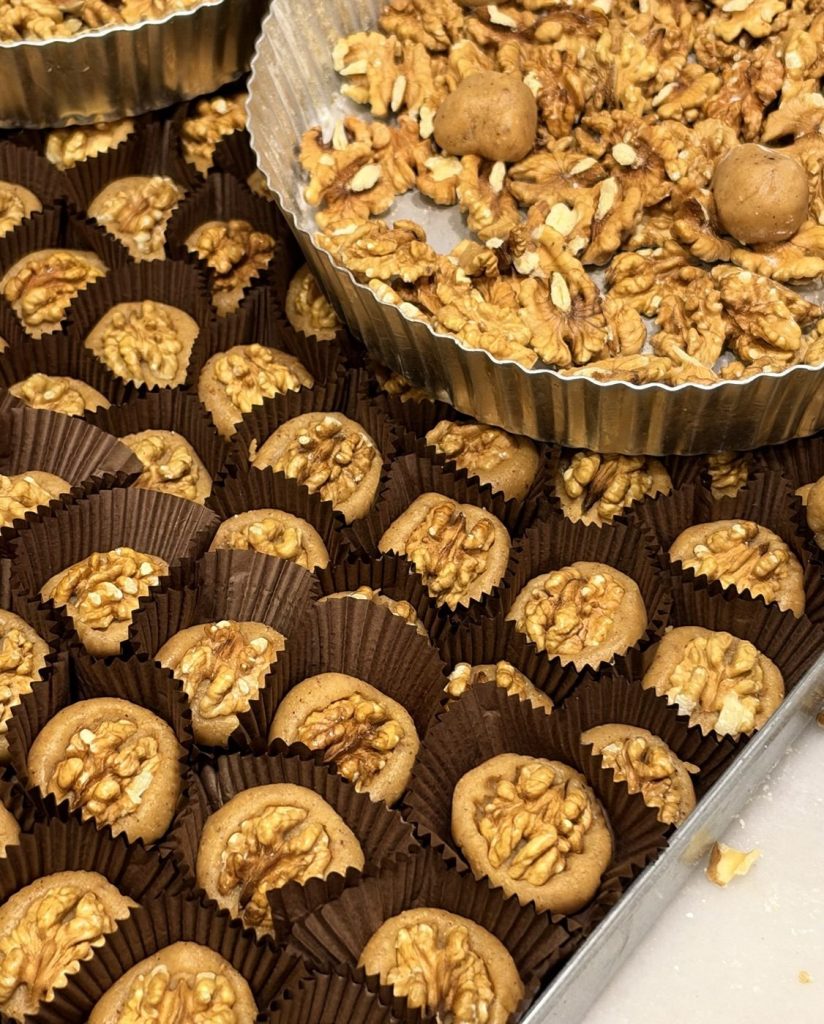
Coffee and sweets3
Where to stay1
- Beyaz EvHotel and restaurant, run by the Gürbüz familyCentre
Posts from Sinop
Listen before you go
Nilay and I gave Sinop, lakerda and fish an episode each on our podcast Yemekte Bile Yemek Konuşuyoruz (in Turkish).
 Episode 54Delicious SinopBack from the Lakerda Festival: nokul, Sinop mantı, soymuk from the Çangal Forest, and whether the best lakerda comes from torik or palamut.Listen (in Turkish) →
 Episode 31Lakerda: Aylin ÖrnekWhat lakerda is, which fish it is made from and how to tell a good one, with the story of Aylak Lakerda.Listen (in Turkish) →
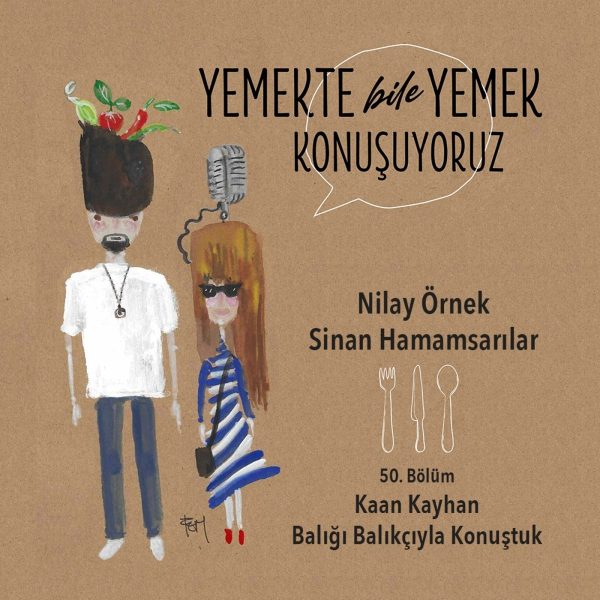 Episode 50Kaan Kayhan: Talking Fish with a FishermanWe went fishing with Kaan first, then talked about seasons, fishing bans and running a restaurant.Listen (in Turkish) →