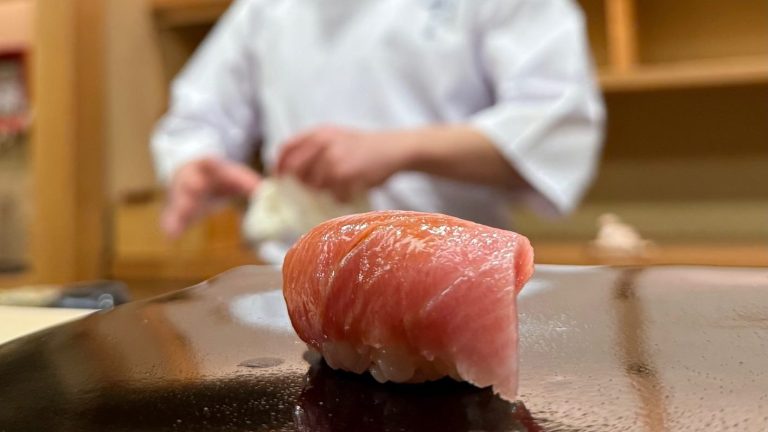
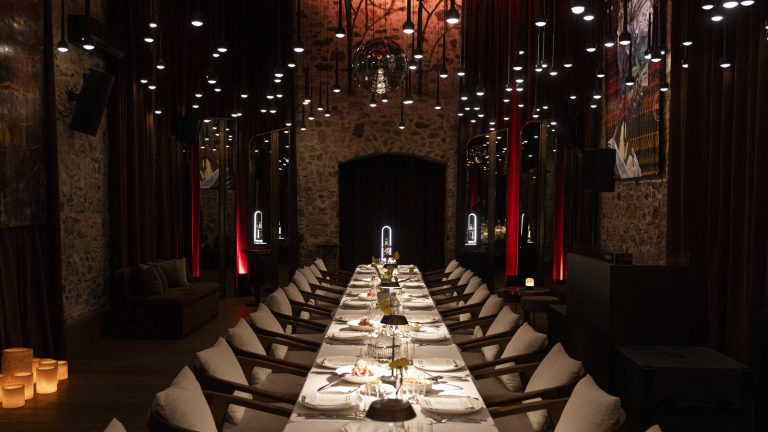
The Sinop Lakerda Festival is a food festival held every mid-November on Turkey’s Black Sea coast, devoted to large bonito and salt. The seventh edition ran from November 12 to 15, 2026, and Nilay and I were in Sinop from November 13 to 16 as guests of the festival team.
Lakerda is usually thought of as an Istanbul meze, but the Black Sea has plenty to say about it. To what I gathered from press archives, social media and interviews before we left, I have added what we saw and ate in Sinop: what lakerda is, how it is made, how the festival began, why Sinop and Istanbul tell two different stories about the same fish, and, at the end, what we ate in Sinop and the Sinopale biennial.
What is lakerda, and what fish is it made from?
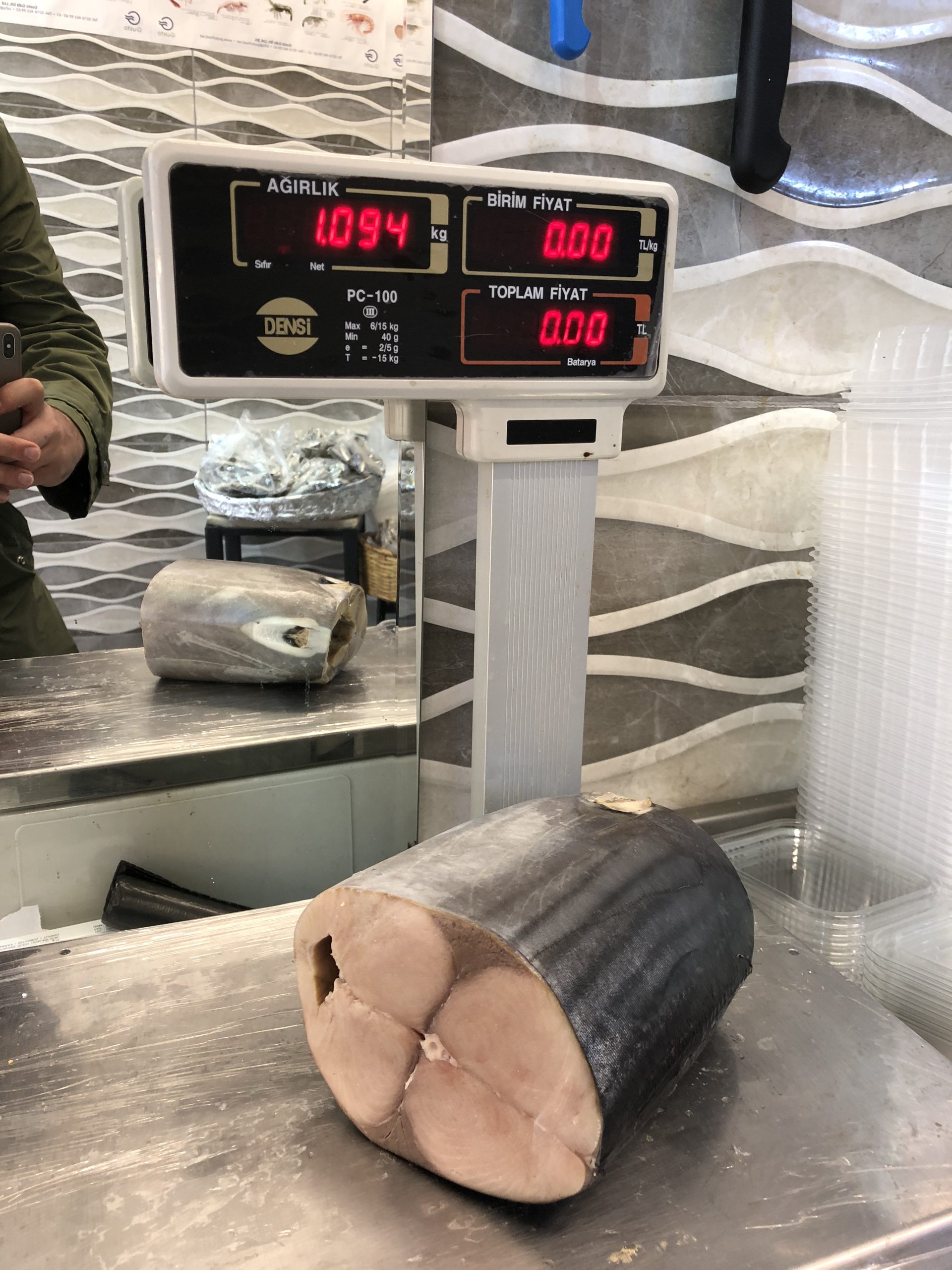
Lakerda is a cured fish meze, made by bleeding and salting large bonito and never cooking it with heat. The classic fish is torik, which is not a separate species but a mature Atlantic bonito. Turkish has a name for almost every size, from çingene palamudu up through palamut, zindandelen, torik and peçuta.
| Name | Length | Weight |
|---|---|---|
| Çingene palamudu | 10–25 cm | 40–500 g |
| Palamut | 30–35 cm | 550–800 g |
| Kestane palamudu | 40–45 cm | 850 g–1 kg |
| Zindandelen | 50–55 cm | 1.1–2.25 kg |
| Torik | 55–60 cm | 2.3–4 kg |
| Altıparmak | 65–70 cm | 5.1–7 kg |
| Peçuta | 70 cm+ | 7 kg+ |
Approximate figures; sizes vary from one fisherman to the next. The drawing is illustrative; true length is on the ruler. Length: SÜMAE Yunus research bulletin. Weight: anglers’ chart.
According to producer Aylin Örnek, the best fish are caught on the autumn migration south out of the Black Sea, from the last week of October to New Year, when they are fat and firm from cold water.
When and where is the Sinop Lakerda Festival?
It takes place every mid-November at the Sabahattin Ali Cultural Centre (Buzhane) and around it, organised by the Sinop Culture and Tourism Association with support from the Ministry of Culture and Tourism. The slogan has not changed: salted, not iced.
Why November? The association’s president, Yılmaz Küçük, says summer takes care of itself; winter needs a reason to come. Fish decides the rest. Last year there was little to salt and the competition suffered for it, and a report from March 2026 put a two-kilo jar in Sinop at around 3,000 lira, double the price a year earlier. This year the bonito are plentiful.
The 2026 programme
According to the association, Thursday, November 12 was a warm-up day and the real activity was on Friday and Saturday. The public highlights of the programme:
- Friday, November 13: 12:00 Tan Morgül on lakerda’s history and craft (moderated by Ahmet Çobanoğlu) · 14:00 Women fishers meet the people of Sinop · 19:00 Anjelika Akbar concert · 20:15 Helesa procession
- Saturday, November 14: 17:30 Pickled fish workshop with Sevinç Üsküplü · 19:00 Sema Moritz concert
- Sunday, November 15: 15:30 Lakerda competition final, Buzhane Studio · 18:00 Awards and closing
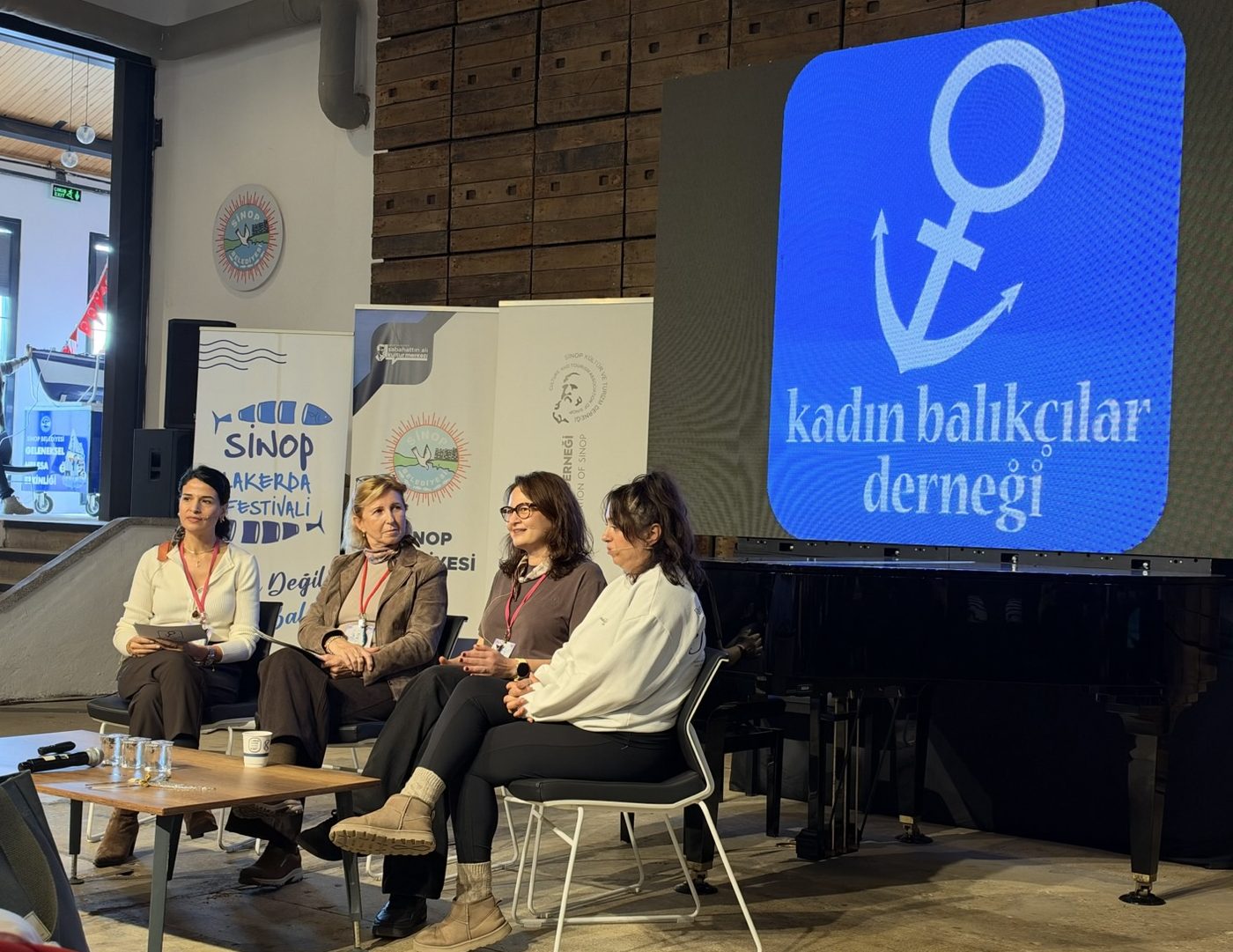
On Friday afternoon the women fishers met the people of Sinop: Huriye Göncüoğlu Bodur, Aslı Olgunlar and Sevinç Üsküplü spoke, with Kader Tetik Coşkun moderating. The best moment of the day was a question from the audience: with a nod to Nilay, one listener asked, full of excitement, “How do you become a woman fisher?” We joined in the enthusiasm that had rowed all the way from Büyükada.
How the festival began
It started as a competition. The aim, says former association president Ahmet Çobanoğlu, was to turn Sinop’s fishing culture into income through gastronomy. The first contest, in December 2018, drew 31 entrants competing for gold coins. The festival itself has run since 2019, with a programme built on the voluntary work of local initiatives, researchers, chefs and academics.
| Year | Dates | Notable | Competition winner |
|---|---|---|---|
| 2018 | December | First contest, 31 entrants | Prize: gold coin |
| 2019 | Nov 15–17 | 2nd festival | – |
| 2020–21 | – | Cancelled during the pandemic | – |
| 2022 | Nov 18–20 | 3rd festival, nearly 50 entrants expected | – |
| 2023 | Nov 17–19 | 4th festival, the first after registration | Prize: 30,000 lira |
| 2024 | Nov 14–17 | 5th festival, first to run four days | Ali Dizdaroğlu, 40,000 lira |
| 2025 | Nov 13–16 | 6th festival, a poor year for fish | Nihat Kahya, 50,000 lira |
| 2026 | Nov 12–15 | 7th festival | Prize: 25,000 lira |
Sinop Lakerdası: protected status and production
Sinop Lakerdası was registered as a designation of origin on May 5, 2023, under number 1351, held by the Sinop Chamber of Commerce and Industry. The festival describes it as the first aquatic product in Turkey to earn geographical indication. In June 2023 the chamber’s president expected EU registration within one to two years; as of November 2026, the process continues. It is also listed in Slow Food’s Ark of Taste, which names fluctuating fish stocks, broken transmission of knowledge and imitations made outside Sinop as its main risks.
Production has also moved beyond the home kitchen. A regional development agency announcement from April 2026 describes a new plant in Sinop, a 4 million lira investment with an annual capacity of 3,000 tonnes, employing 10 women at first.
What “a 3,000-year tradition” actually means
That is the festival’s tagline, and it ages each year: 3005 on Instagram in 2024, 3006 in 2025, 3007 now. It is not the age of a recipe. By the festival’s own account, it refers to Sinop’s maritime past. Slow Food dates salting and trade in the region to around 1000 BC. The clearest written witness is Strabo, who ranks Sinope’s bonito fishery second and Byzantium’s third. Three thousand years is the age of this coast’s relationship with fish, not of lakerda.
Where the word lakerda comes from
Nobody writing in Turkish has spent longer on this than Tan Morgül, one of this year’s guests. His research, in brief:
- The charming story that it comes from the Spanish la querida has nothing behind it.
- The earliest known text tying it to Istanbul is Statius’s Silvae, from the first century AD. The poet complains that the pages of a book he was sent reek of Byzantine salted fish.
- The word derives from the Latin lacertos, which most ancient authors used for chub mackerel.
- Lakerda’s true ancestor is tarikhos horaion, fish salted at its seasonal peak. Morgül argues the Turkish word torik comes from tarikhos itself: the name of the method became the name of the fish.
- Nobody yet knows when the switch from chub mackerel to bonito happened.
His conclusion is blunt: lakerda is Istanbul’s gift to the world. Saying so in Sinop takes some nerve. Morgül first shared these findings in a five-hour Instagram Live with Levon Bağış, who was among the announced guests of the 2023 festival and who traces lakerda back to Evliya Çelebi in his own writing. Nilay and I had Levon on episode 20 of Yemekte Bile Yemek Konuşuyoruz (in Turkish).
How lakerda is made
This is a summary of the method, not a recipe. Timings vary by maker and tradition.
- Choose the fish. Large bonito, caught on the autumn migration, with an empty stomach.
- Clean it. Remove head, tail and guts, cut 6–8 cm thick pieces and clear the spinal cord.
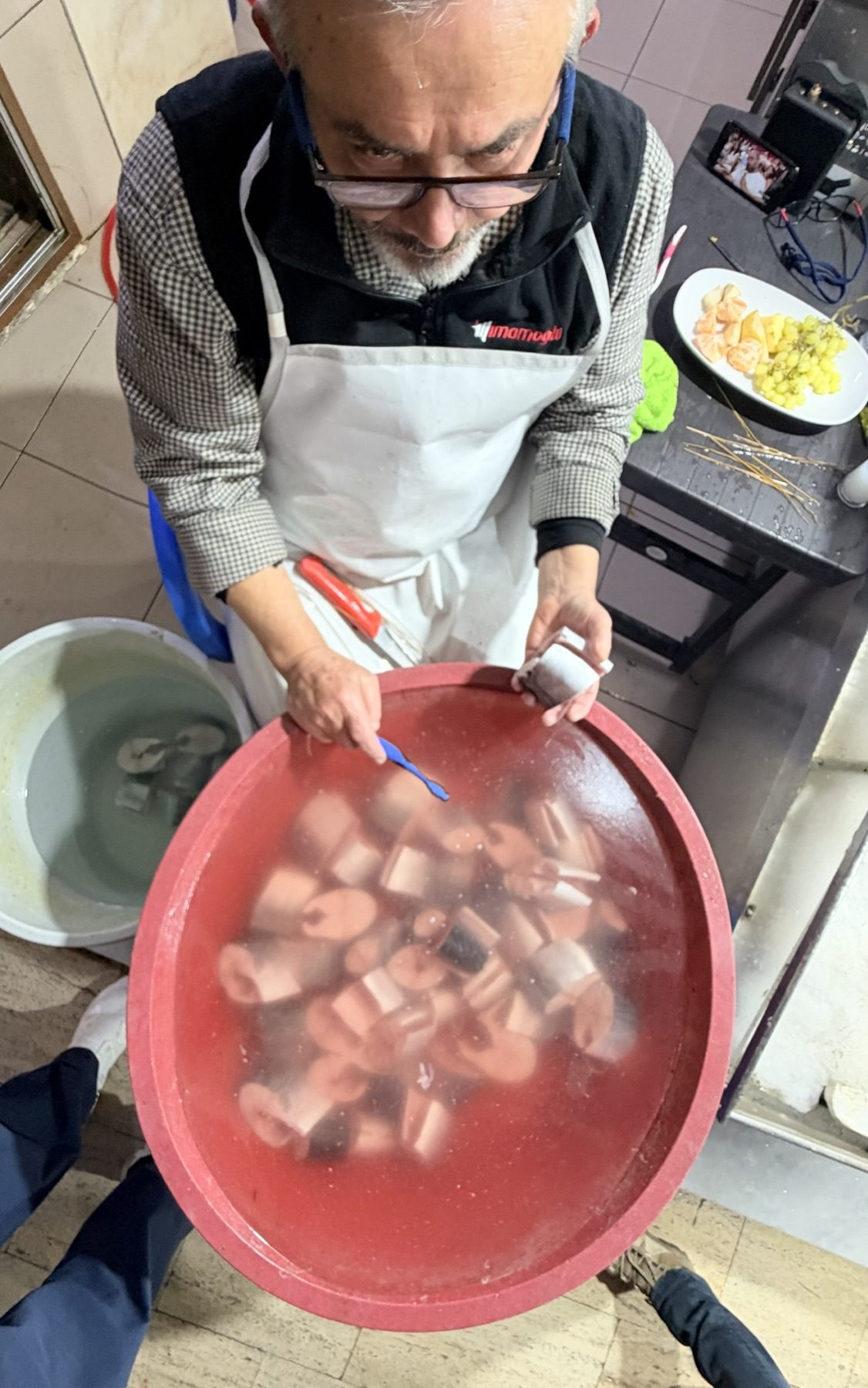
- Draw the blood. Soak the pieces in cold water. This is the critical step.
- Salt it. In Sinop the fish is layered in salt; in the Istanbul style it gets a fine veil on the surface.
- Cure it. Rest it in the cold. In the Istanbul style it then goes into brine.
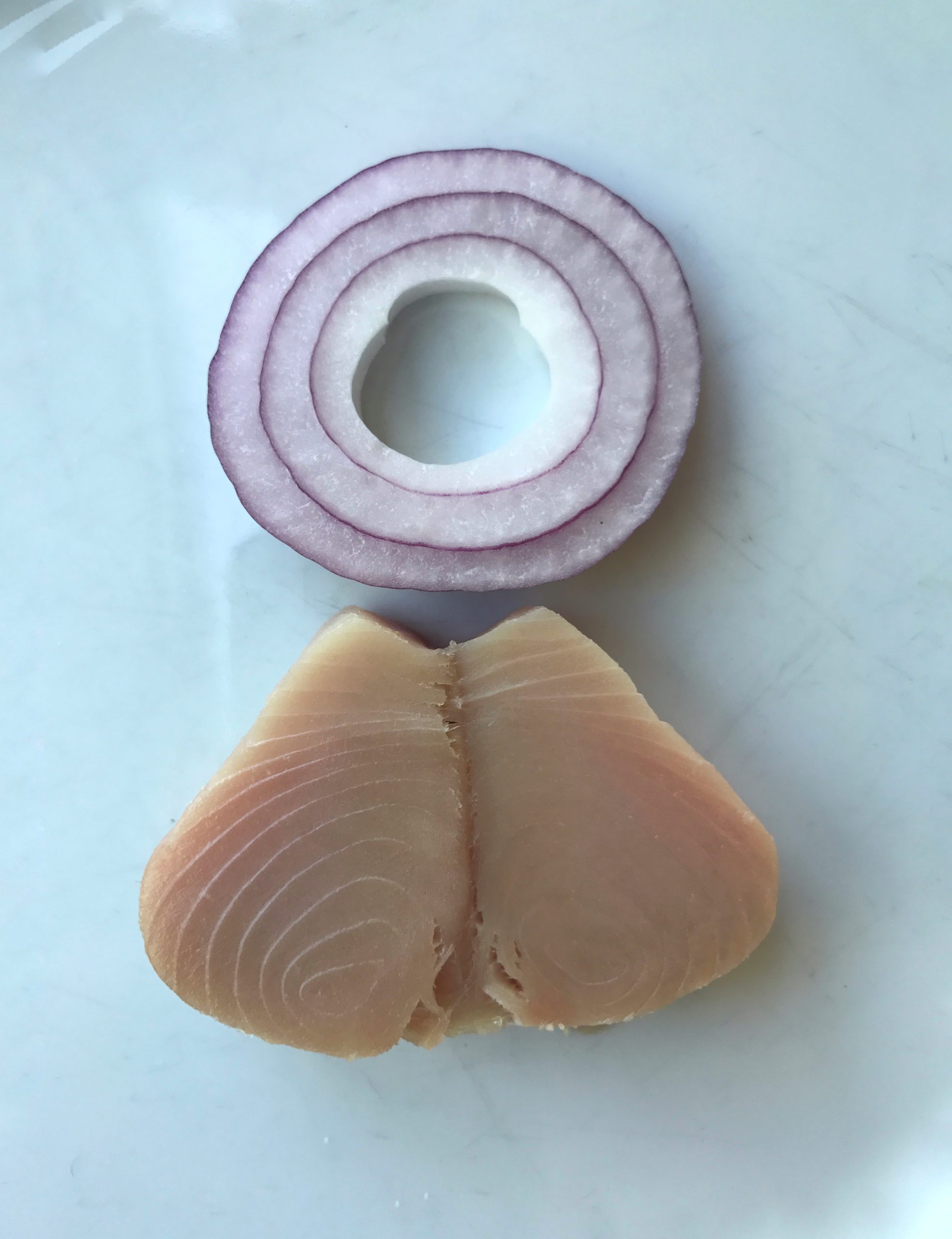
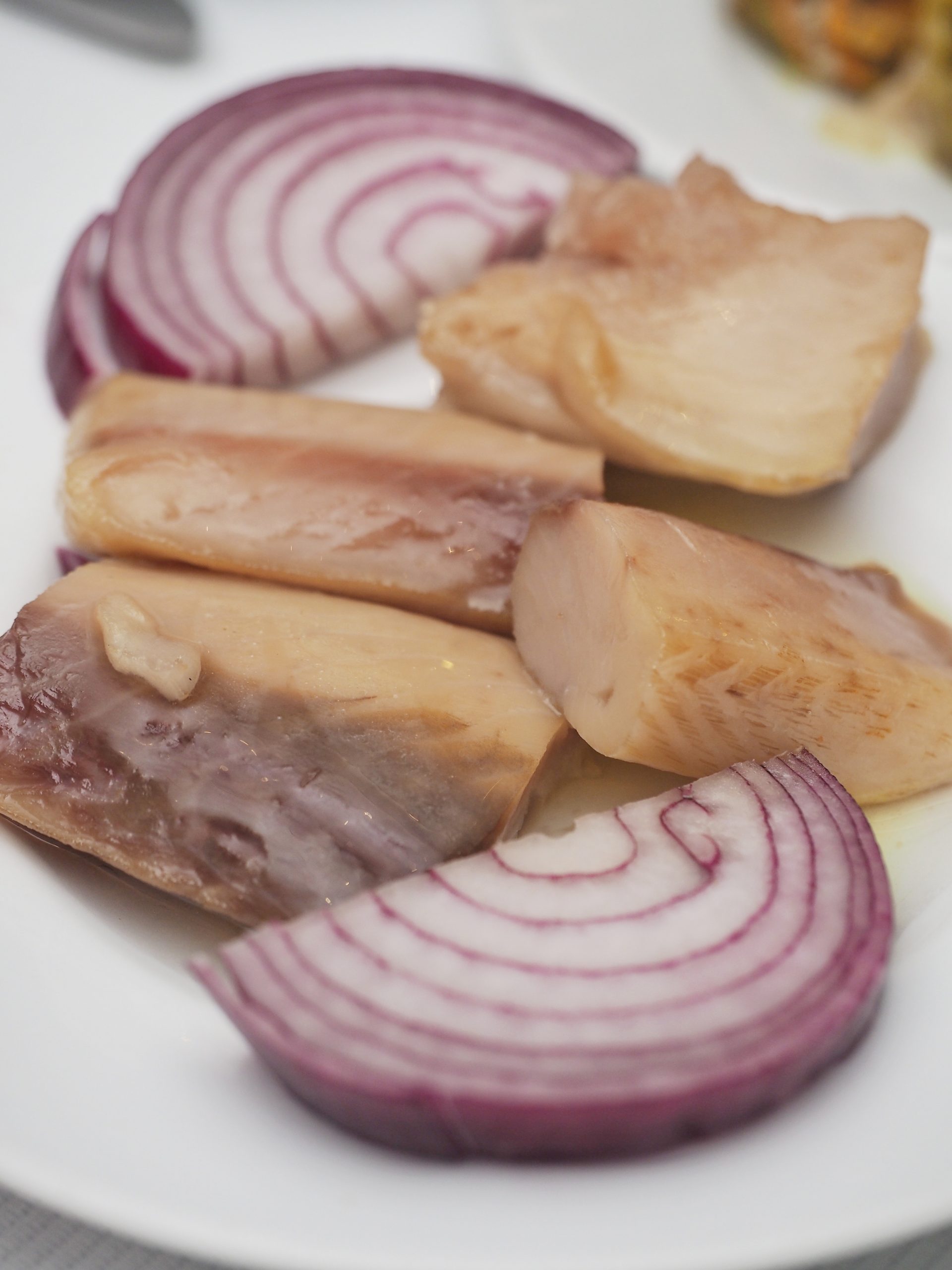
- Serve it. Slice thinly, with red onion or with olive oil and lemon.
Sinop lakerda vs Istanbul lakerda
The festival’s best question is not on the programme. Reyhan Ülker of Aposto put it plainly at last year’s edition: does Sinop lakerda exist, or is it simply salted fish? Set the official specification beside the method of Aylin Örnek, founder of Aylak Lakerda, and the gap is clear.
Light shade: upper end of the range. Dashed line: brine.
| Sinop Lakerdası (official specification) | Istanbul style (Aylin Örnek) | |
|---|---|---|
| Fish | Large bonito or bonito | Large bonito only |
| Drawing blood | 20–60 minutes in cold or 5% salted water | Overnight in clear water |
| Salting | Coarse salt at 20% of weight, layered and pressed | Never buried; a fine veil of salt, draining as it cures |
| Time | Three to four weeks at 4°C | One week to 10–12 days in salt, then brine |
| Before serving | If sold in its curing vessel, soaked in water | Never soaked to remove salt |
| Served with | Olive oil and lemon | Red onion |
The first row matters more than it looks. The late Istanbul master Merdol Karaman, Eray Özer recalls, got angry at the very idea of lakerda made from ordinary bonito.
This is less a quarrel over quality than two separate traditions. In Sinop, salted fish is daily life: eaten at breakfast, with corn soup alongside. In Istanbul, lakerda is the prize of the meze table.
Aylin Örnek and Aylak Lakerda
You can’t talk about lakerda in Turkey without mentioning Aylak Lakerda. Its founder, Aylin Örnek, is a friend whose lakerda we have been happily eating for years, and one of this year’s guests. Born in Ayancık, in Sinop province, she grew up around the communal salting of fish and winter stores kept in tins. She trained as a city planner. In her own telling, she made her first lakerda in 2016 with the support of Tan Morgül and Refika Birgül, and learned the finer points from Merdol Karaman himself. Ebru Erke of Hürriyet has called her the only woman lakerda master she knows of.
Nilay and I had her on episode 31 of Yemekte Bile Yemek Konuşuyoruz (in Turkish): which fish to use, what people call “poor man’s lakerda,” how good lakerda should look and smell, how Aylak Lakerda began, the Sinop festival and the town’s other dishes. An hour and ten minutes on a single subject.
How to spot good lakerda
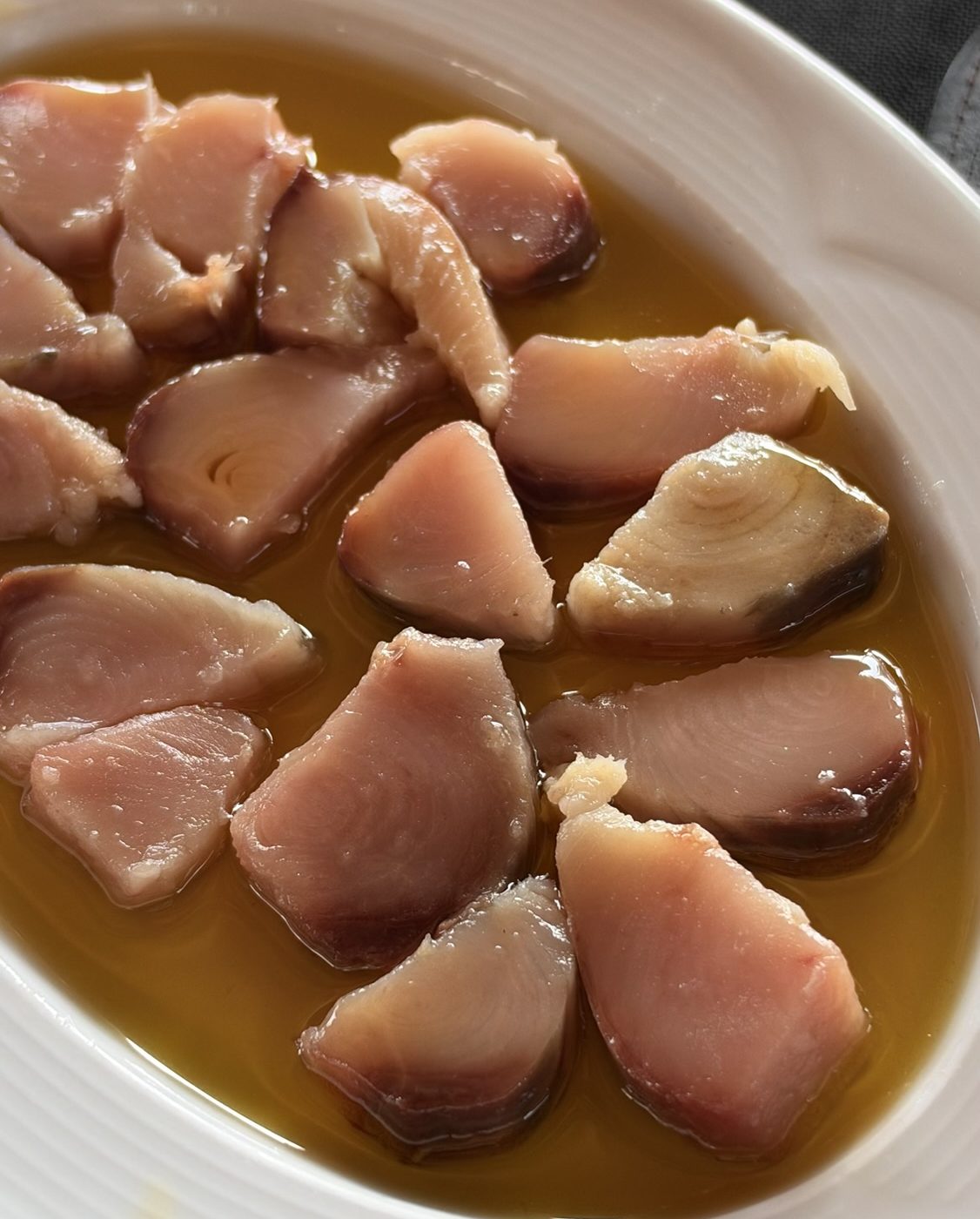
Aylin Örnek’s tests are short and useful. The cut face should be powder pink and even; rings of darker colour mean the blood was not fully drawn out. The texture should be firm yet melt like lokum. The smell should be mature, never raw, metallic or sour. The dominant taste should be the fish’s own umami, not salt.
What happens at the festival
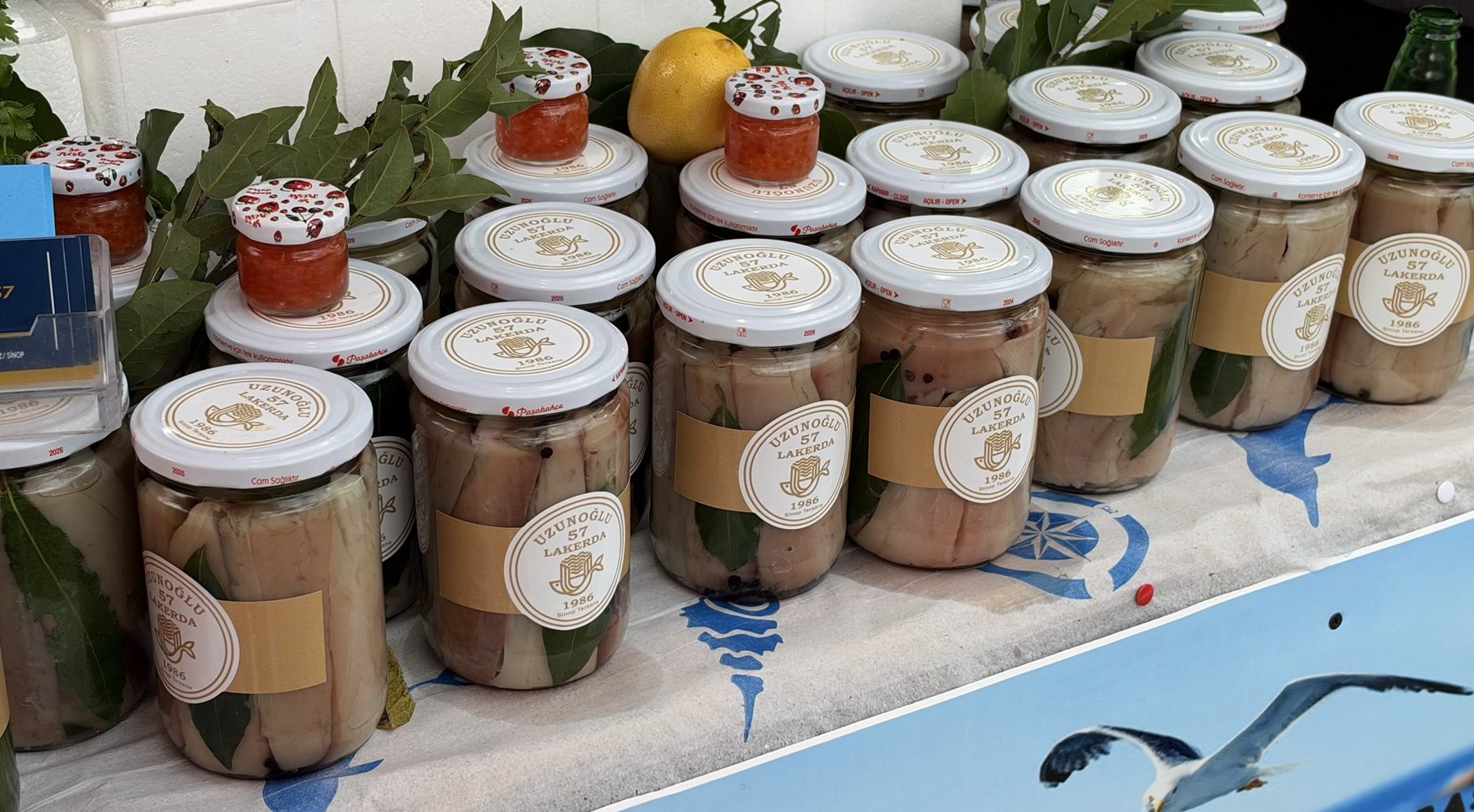
The heart of the festival was the open square in front of Buzhane. While the talks and workshops took place inside, producers sold their lakerda at stalls outside, and you could taste before you bought.
How the lakerda competition works
The festival closes with the competition. Under the 2026 rules, a jury of at least five judges blind: every piece gets a number. The first round involves no tasting at all; appearance, texture and smell are scored and ten go through to the final at Buzhane. Entrants must have made the lakerda themselves. Gastronomy students have their own contest for modern presentations.
This year’s jury is Burçak Kazdal, Seray Öztürk, Kaan Kayhan, Maria Ekmekçioğlu and Elvan Uysal Bottoni, with Levon Bağış and Tan Morgül presenting the final.
What is Helesa?
The most local moment on the programme. The association holds this Sinop tradition during Ramadan and brought it to the festival for visitors; it takes place on the second day. Last year the procession followed an illuminated model ship from Uğur Mumcu Square to the festival grounds, singing rhymed folk verses all the way.
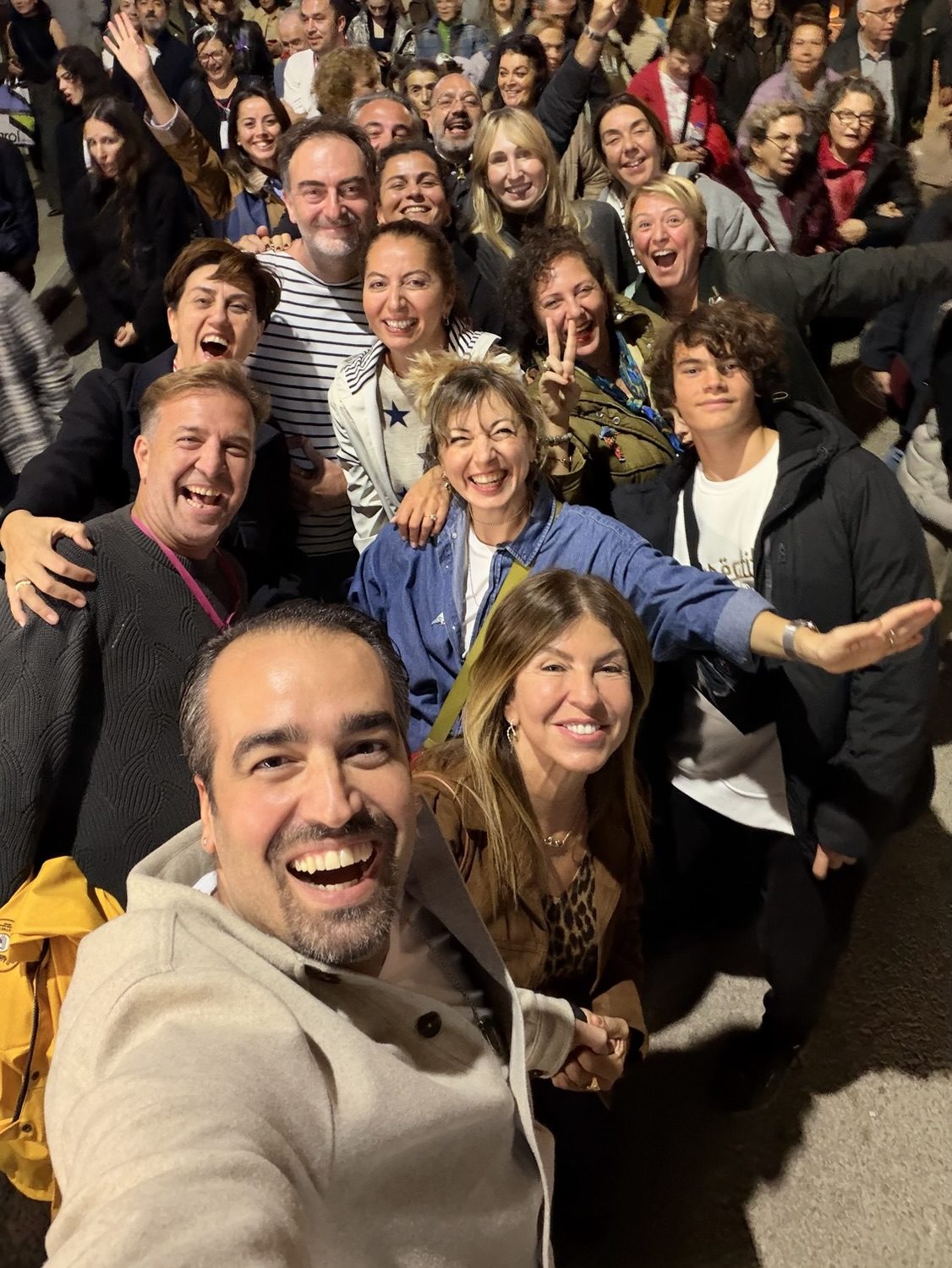
2026 festival guests
The names announced by the festival as of November 9:
- Chefs: Seray Öztürk, Maria Ekmekçioğlu, Kaan Kayhan, Burçak Kazdal, Ahmet Güzelyağdöken
- Writers and researchers: Tan Morgül, Deniz Alphan, Nazlı Pişkin, Levon Bağış, Elvan Uysal Bottoni, Ferhan İstanbullu
- Science and sustainability: archaeologist Dimitra Mylona, political scientist and archaeologist Assoc. Prof. Elif Gözler Çamur, marine biologist Mert Gökalp, geographer Prof. Cevdet Yılmaz, sustainable gastronomy specialist Cansu Dirim
- From the sea and the salting room: Huriye Göncüoğlu Bodur, Aslı Olgunlar, Sevinç Üsküplü, Sumru Üzan and Kader Tetik Coşkun of the Women Fishers Association; lakerda producer Aylin Örnek
- Music: the Samsun State Opera and Ballet at the opening concert on November 12, plus Anjelika Akbar and Sema Moritz
- Exhibitions: watercolours by Tibet Danacı and “Çavela” by Vardal Caniş
What we ate and saw in Sinop
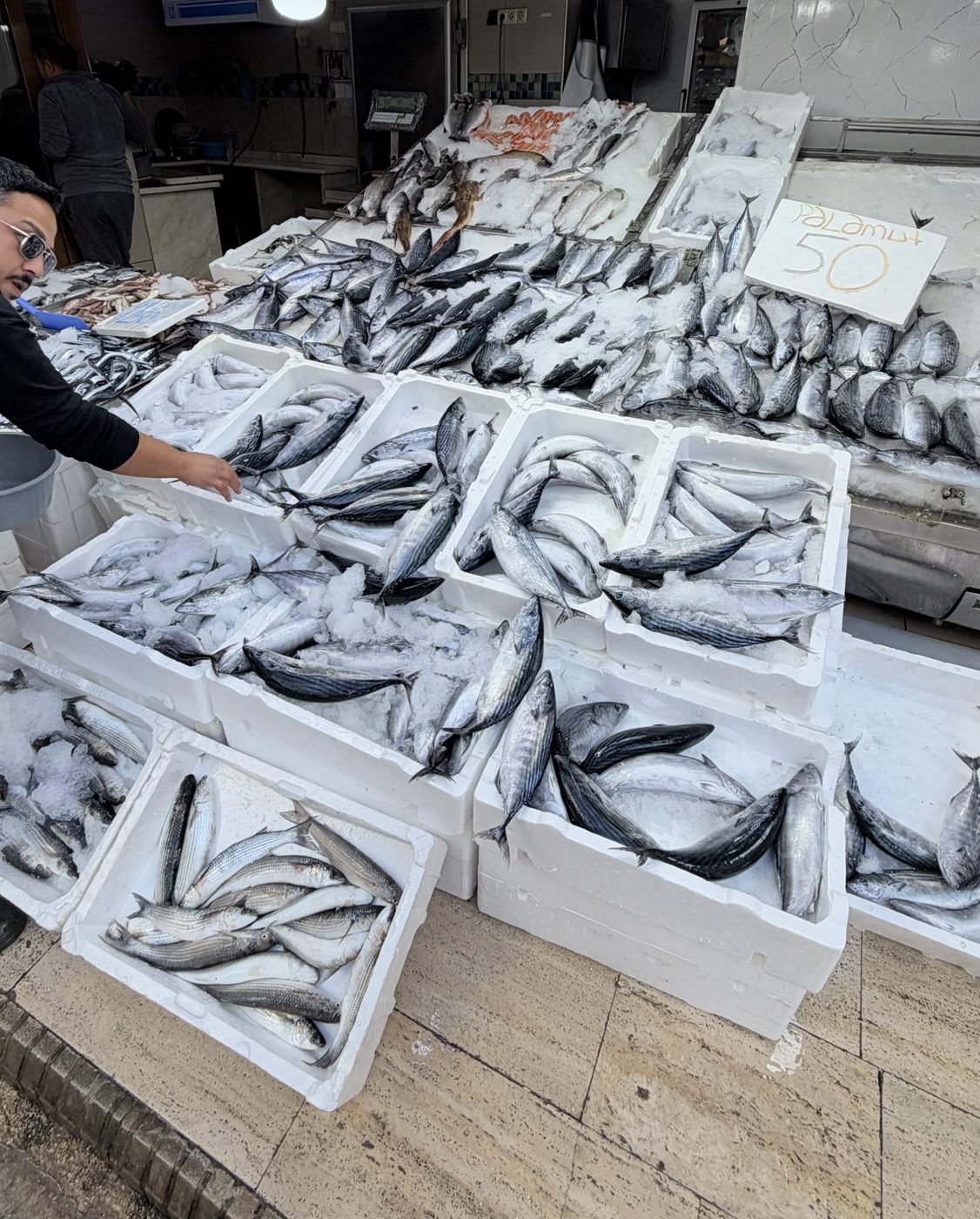
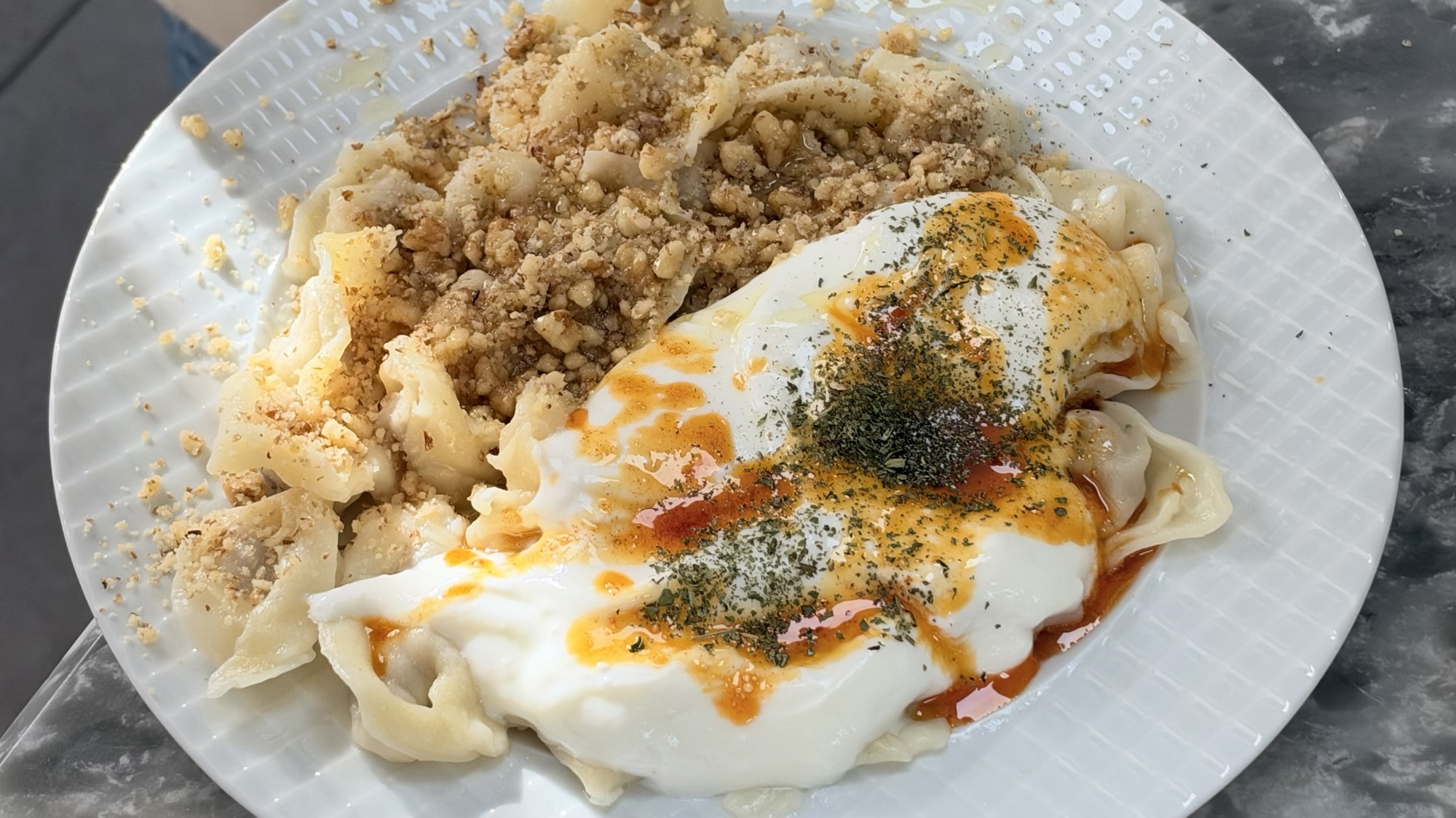
You don’t leave Sinop without eating mantı. We had ours at Esra’nın Mutfağı, on the upper floor of an office block in the Kefevi neighbourhood. Sinop mantı is thin dough folded around minced beef; one half of the plate gets garlic yoghurt, the other crushed walnuts, and melted butter goes over the lot.
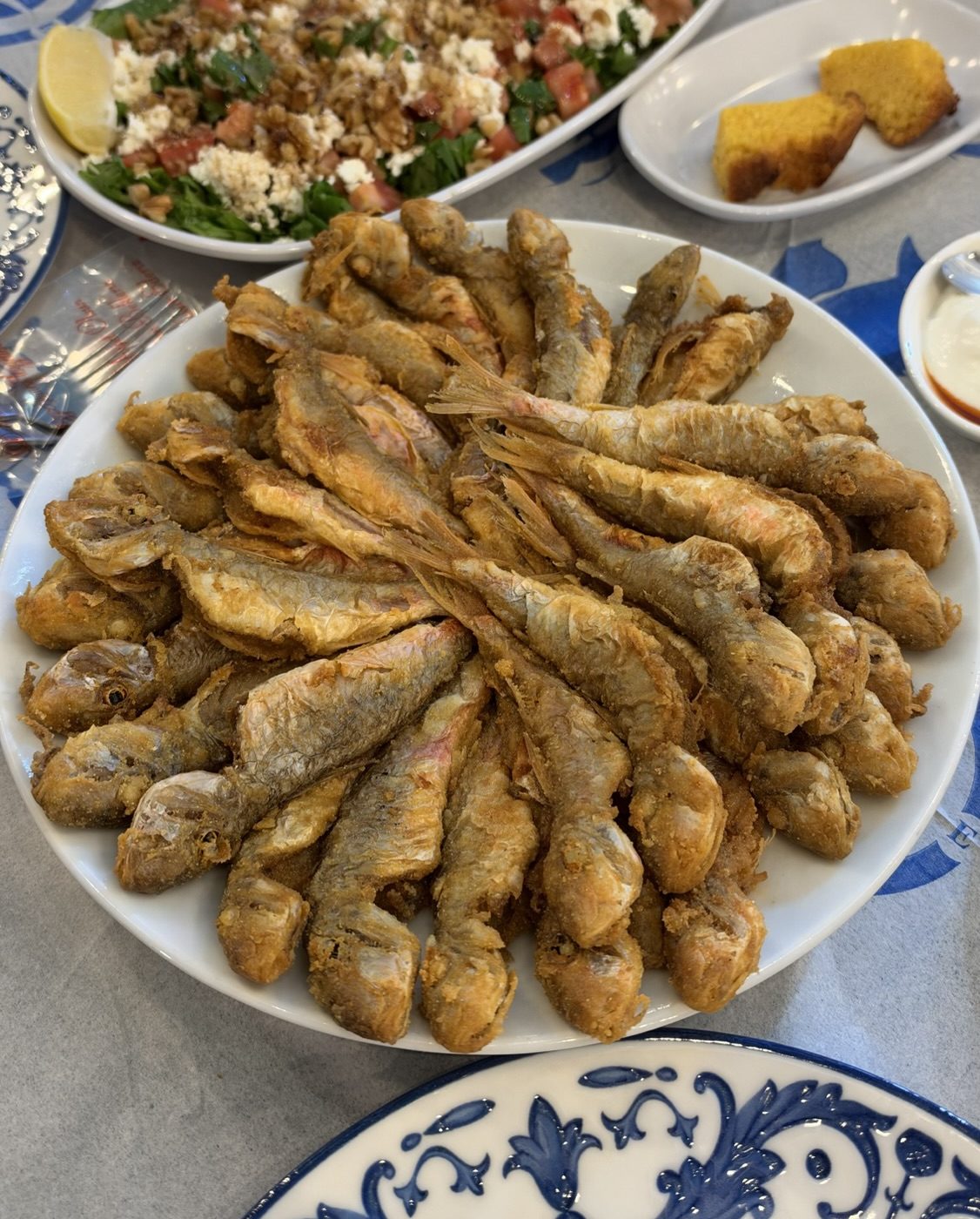
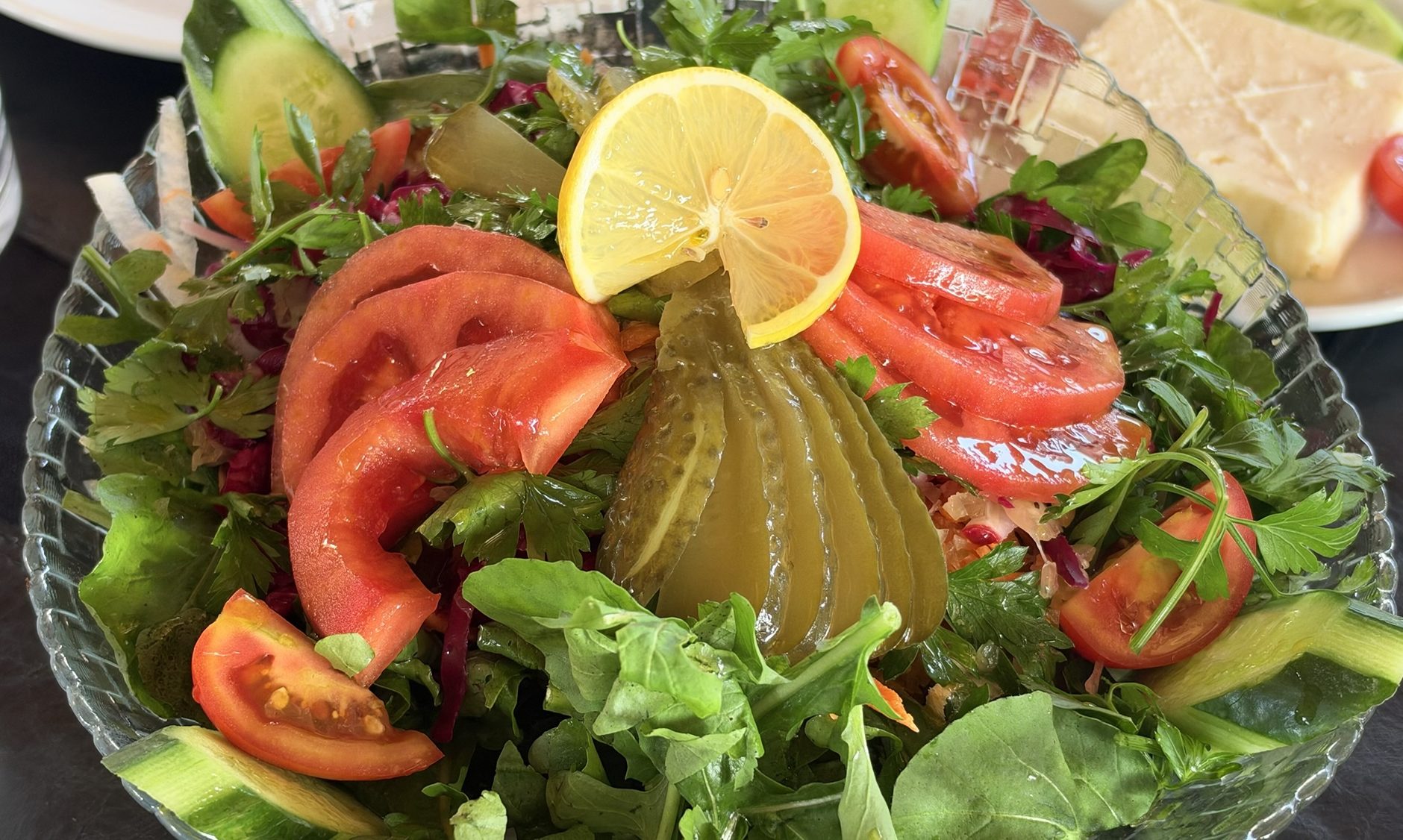
On Saturday we had lunch at Saray Restoran: lakerda, and a salad piled high with greens.
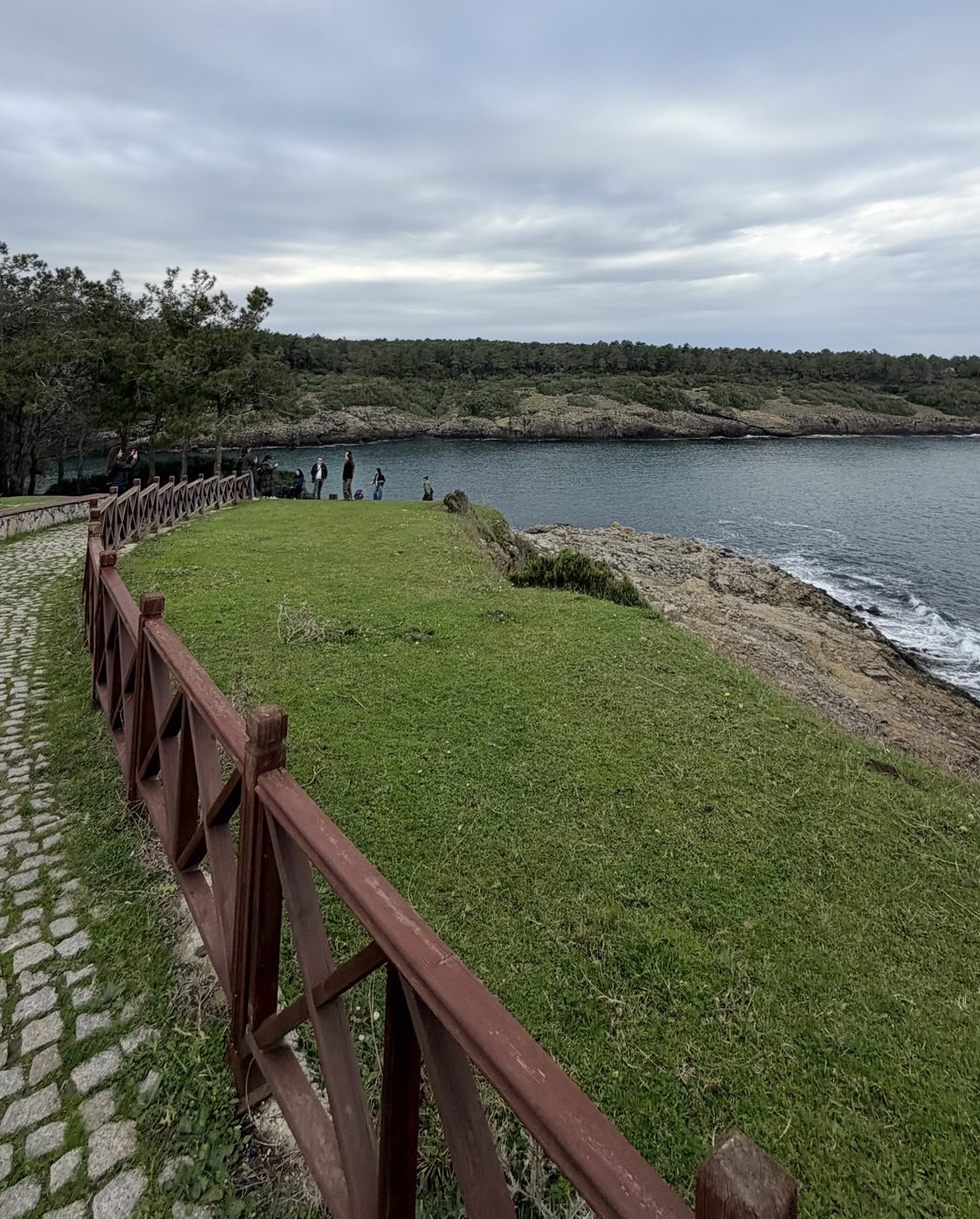
Hamsilos and İnceburun
On our second morning we drove out to Hamsilos Bay at Akliman and to İnceburun Lighthouse. Hamsilos is a narrow inlet where the sea cuts into the land like a fjord; İnceburun is the northernmost tip of Anatolia.
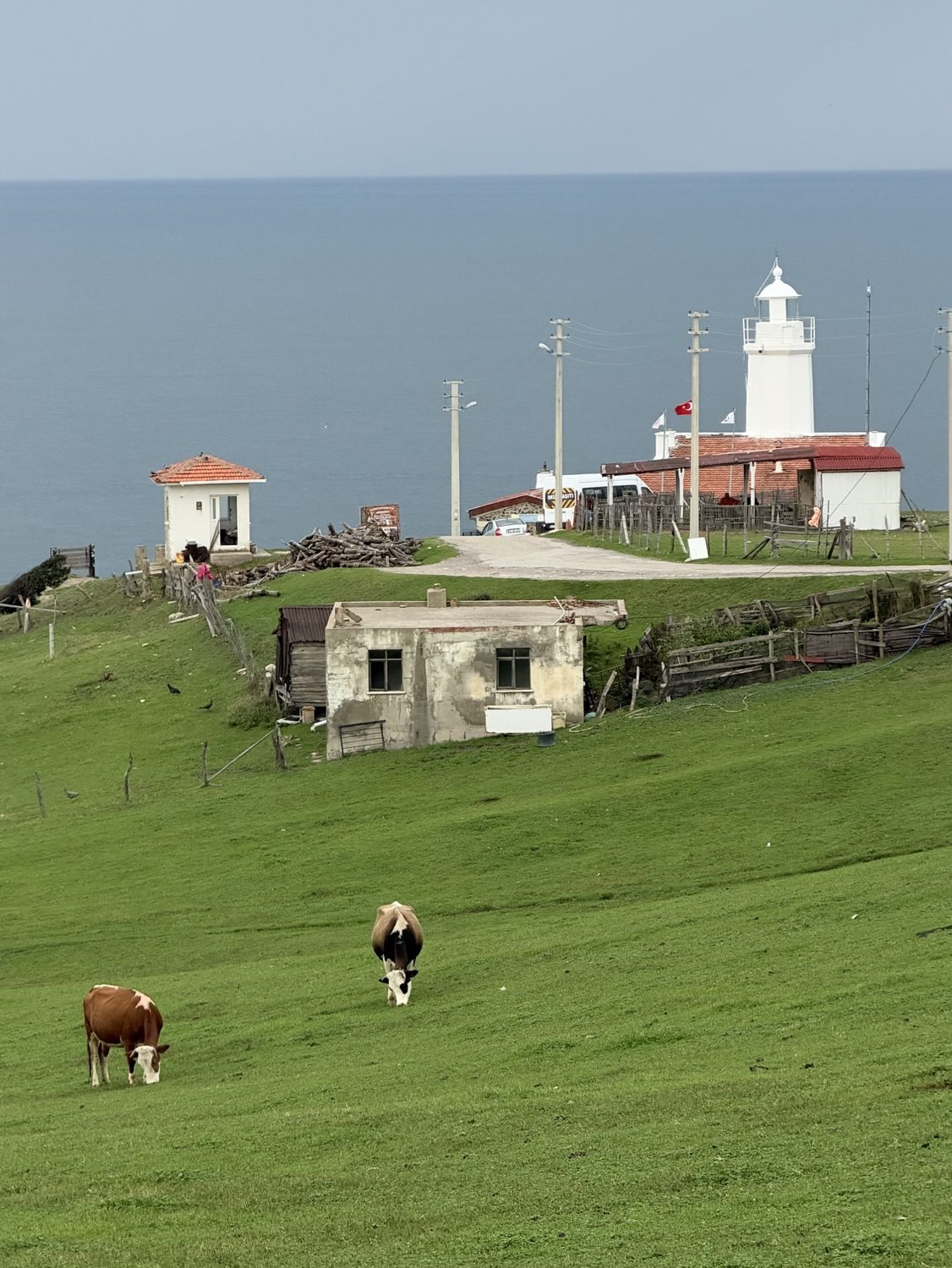
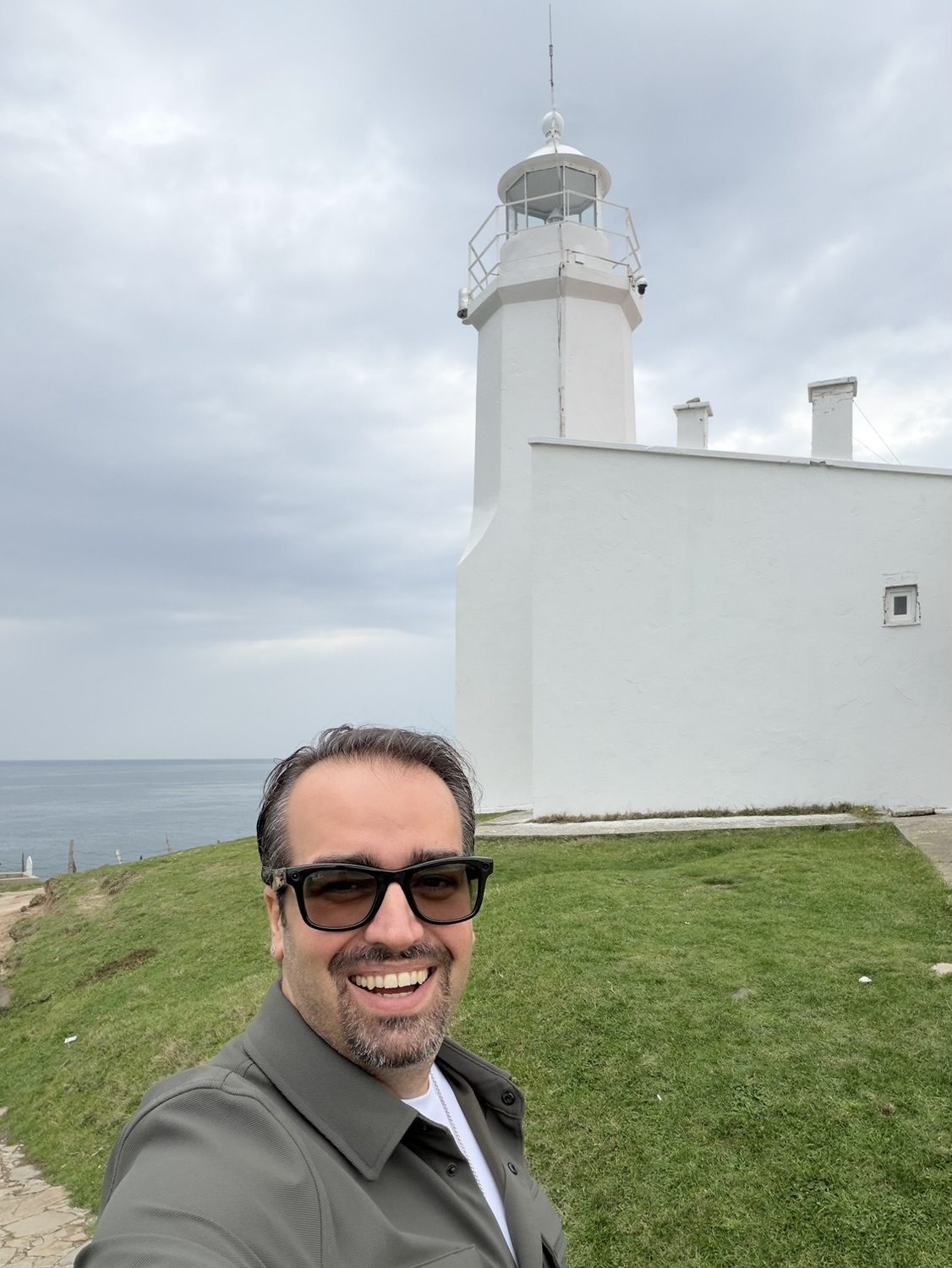
Photos: Sinan Hamamsarılar
The same weekend: Sinopale 10
We came for the festival and also visited Sinopale. The Sinop Biennial is in its 20th year and its tenth edition, under the title “At Sea We Sense, On Land We Reason”, curated by Deniz Kırkalı, Mariam Natroshvili, Marina Fokidis and the biennial’s founder, T. Melih Görgün. The main exhibition is in the former Military Casino building. We were at the Konak, home to the archive exhibition covering the biennial’s 20 years. The biennial also closes on November 15, so festival visitors can fit both into the same weekend.
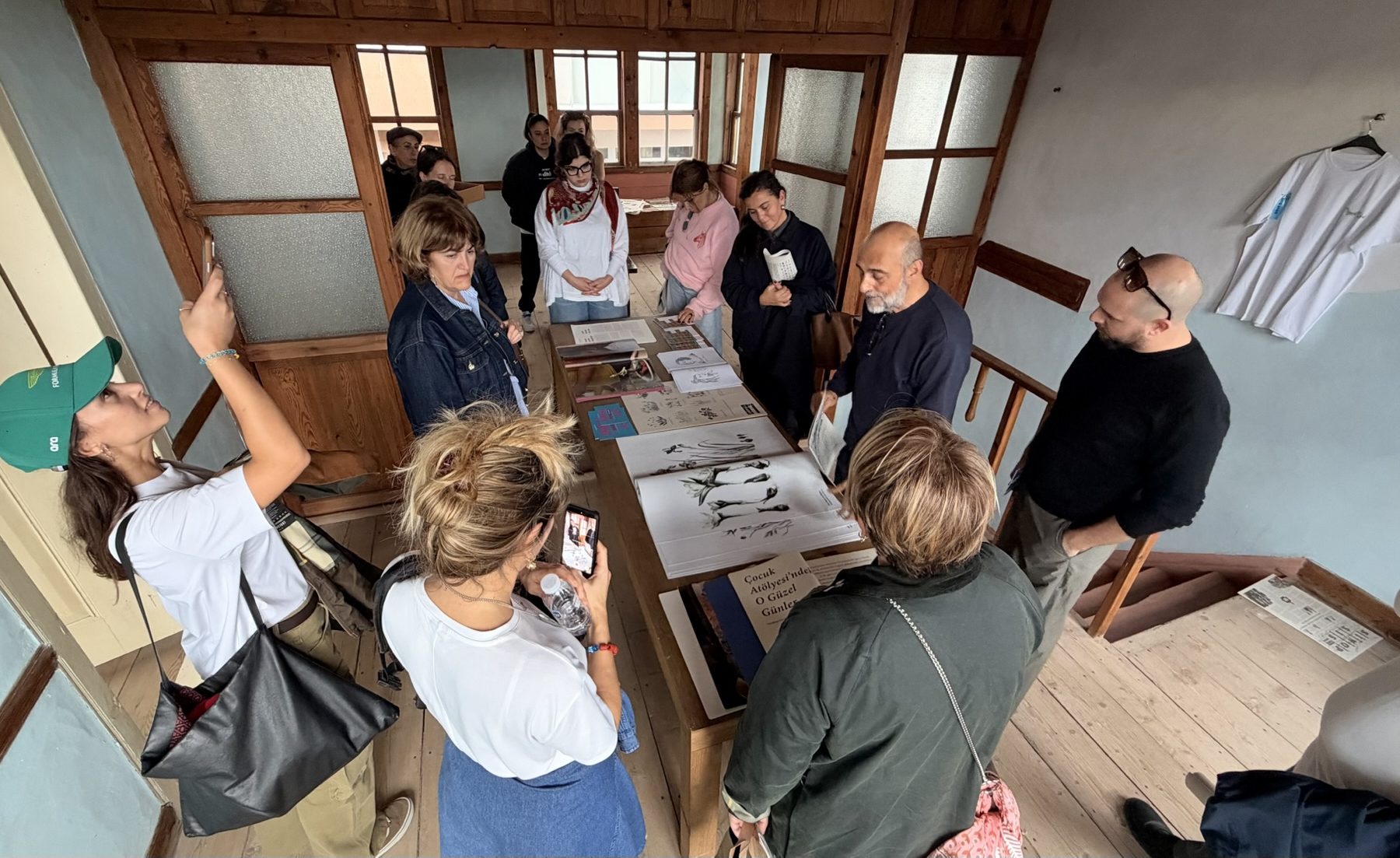
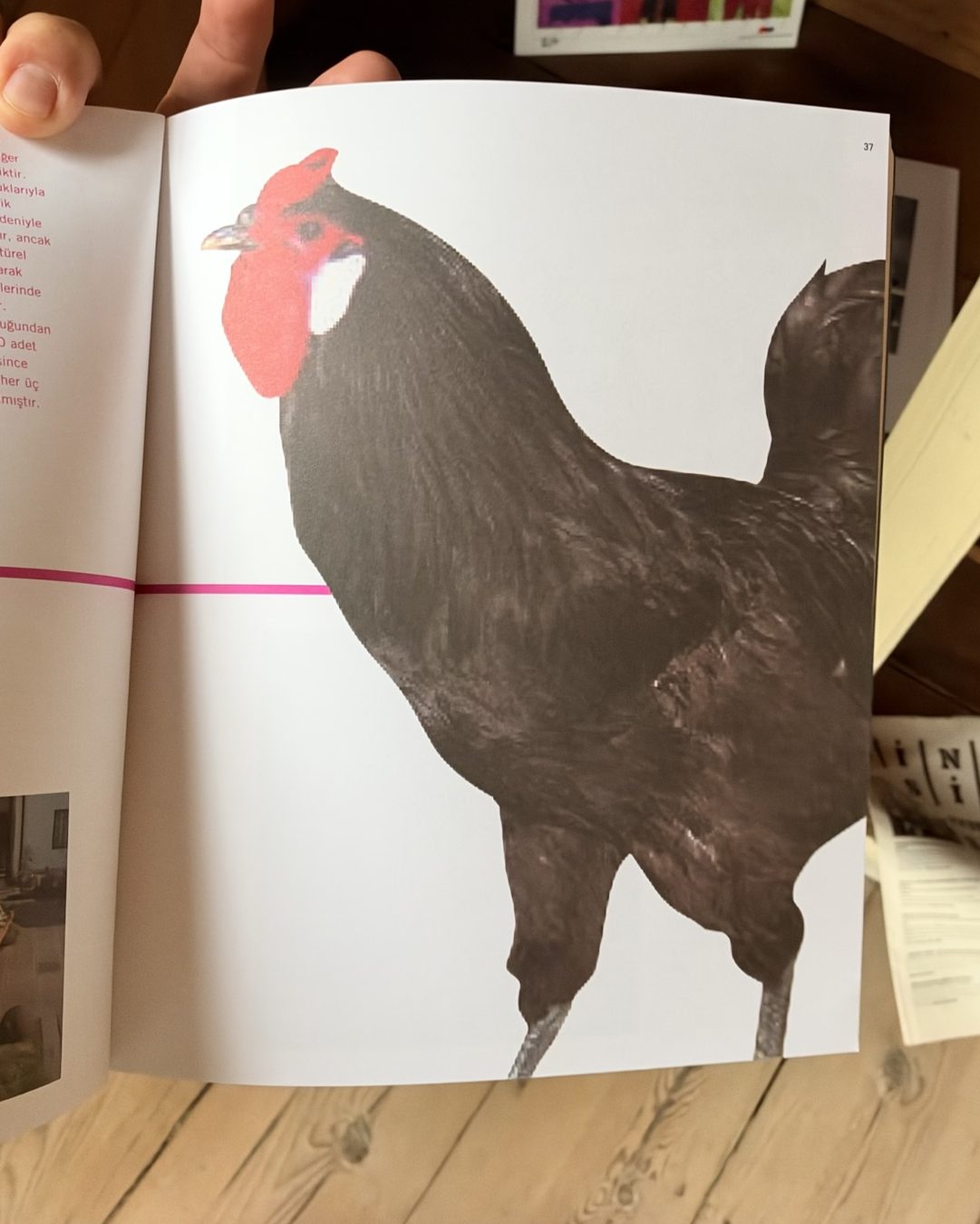
At the Konak, Melih Görgün walked us through a work from the archive: Alparslan Baloğlu’s “Where Are the Hacıkadın Chickens?”. The Gerze rooster and Hacıkadın hens are a pure breed from Sinop’s Gerze district: black, with red, forked, horn-like combs. The roosters crow five times a day and again at midnight, and can fly up to 2.5 metres. The hens lay 94 to 96 eggs a year and their meat is prized; their spurs are so long that they eat sitting down. Because they earn so little compared with commercial breeds, their numbers have dwindled, and today they survive mostly in local memory and on a handful of farms. Baloğlu printed eight different Hacıkadın chickens in 42,500 copies and handed them out to the people of Sinop during the biennial. It is the simplest way to bring a vanishing breed back into the city’s homes.
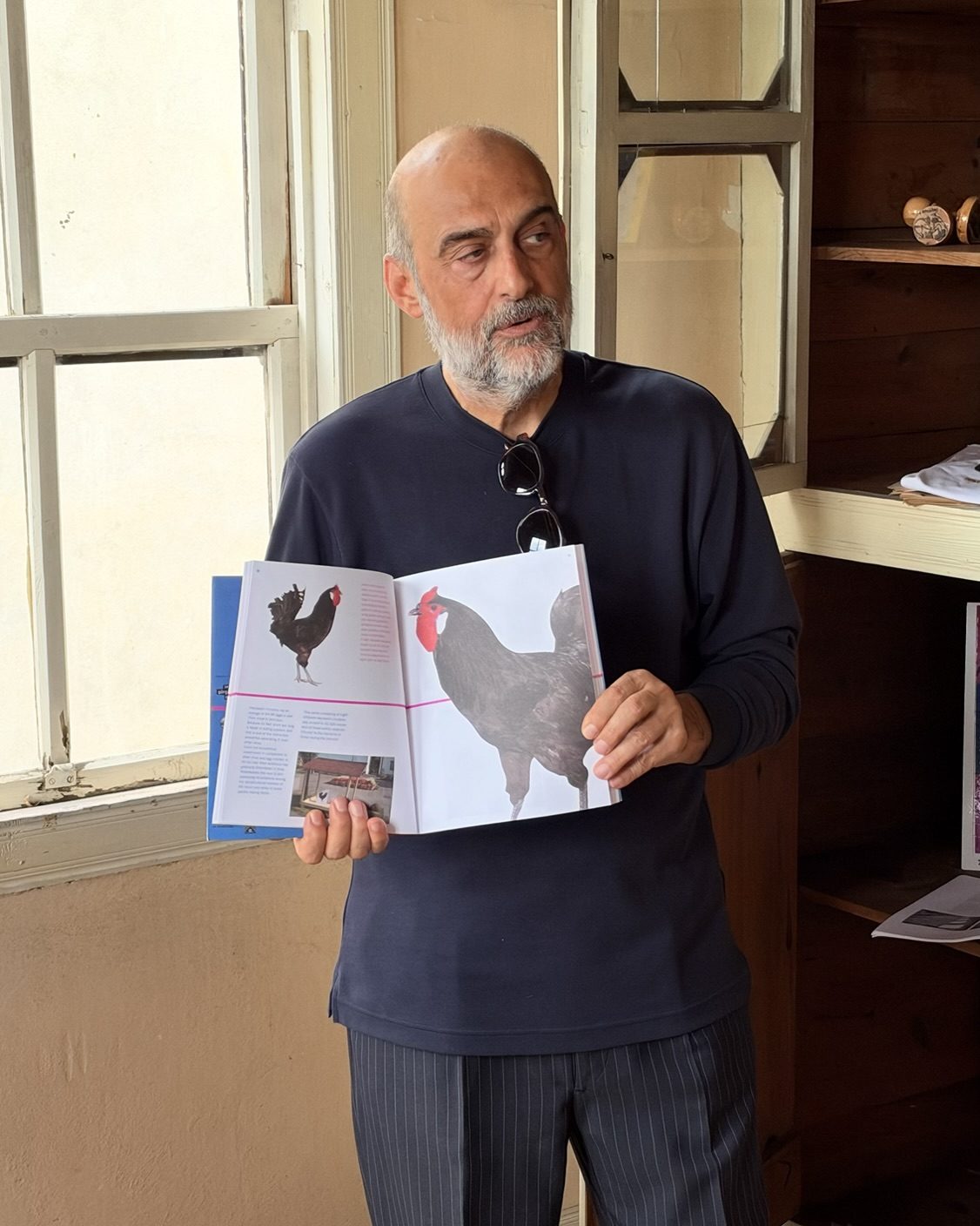
Photos: Sinan Hamamsarılar
Frequently asked questions
When is the Sinop Lakerda Festival?
The festival is held every year in mid-November. The seventh edition runs from November 12 to 15, 2026.
Where is the Sinop Lakerda Festival held?
In Sinop, on Turkey’s Black Sea coast, at the Sabahattin Ali Cultural Centre (Buzhane) and around it.
What fish is lakerda made from?
Lakerda is traditionally made from torik, the Turkish name for large Atlantic bonito. The official Sinop Lakerdası specification allows large bonito or bonito.
Is lakerda raw?
Lakerda is never cooked with heat. Salt cures the fish; in Sinop the process is called cooking in salt.
Is lakerda the same as salted fish?
No. Salted fish is buried in salt and desalted before eating. In the Istanbul style, lakerda is cured under a fine layer of salt, then brined, and is never soaked to remove salt.
Does Sinop lakerda have a geographical indication?
Yes. Sinop Lakerdası was registered as a designation of origin on May 5, 2023, under number 1351. The Sinop Chamber of Commerce and Industry holds the registration.
How long does lakerda keep?
According to the official specification, Sinop Lakerdası keeps for six months in a refrigerator at around 4°C.
If you go
- When: Every year in mid-November. In 2026 it runs from November 12 to 15.
- Where: Sabahattin Ali Cultural Centre (Buzhane) and around it, Sinop.
- What: Lakerda tastings, chef demonstrations, talks, panels, city conversations, documentary screenings, workshops, exhibitions, concerts and the competition.
- Getting there: The flight from Istanbul takes an hour and 25 minutes.
- Follow: sinoplakerdafestivali.com and @sinoplakerdafest.
Listen to the podcast
Nilay and I have covered some of this ground on our Turkish-language podcast, Yemekte Bile Yemek Konuşuyoruz. With Aylin Örnek we went deep into lakerda; Tan Morgül comes up in our conversations with Aylin and with Levon Bağış. Kaan Kayhan took us out fishing before we sat down to talk, and with Aylin Öney Tan we travelled to another corner of Turkish food culture, Gaziantep.
Lakerda: Aylin Örnek
Episode 31 · 1 hr 11 min
What lakerda is, which fish it takes and how to tell a good one, with the story of Aylak Lakerda.
Levon Bağış
Episode 20 · 1 hr 4 min
Seasons and memory, the street vendors who have disappeared, Kurtuluş and the art of gluttony.
Kaan Kayhan: Balığı Balıkçıyla Konuştuk
Episode 50 · 55 min
We went out fishing with Kaan first, then talked seasons, fishing bans and running a restaurant.
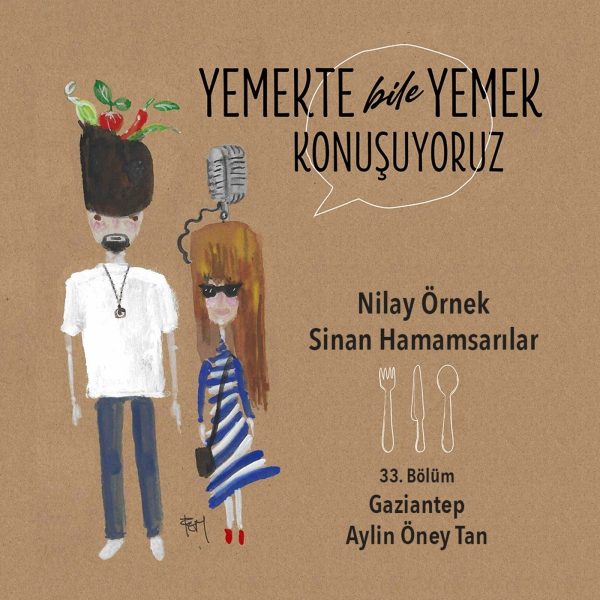
Gaziantep: Aylin Öney Tan
Episode 33 · 59 min
With the author of a much-loved book on Gaziantep cooking, on the city’s less-discussed stews.
Covers: Yemekte Bile Yemek Konuşuyoruz
Advertising and collaboration. This post contains advertising and promotional content. Nilay and I attended as guests of the Sinop Lakerda Festival team, who covered all our expenses. The views are my own.
Advertising and partnerships. This post contains advertising. Nilay and I are going to the festival as guests of the Sinop Lakerda Festival team, who are covering all our expenses. All opinions are my own. My editorial principles →